Nobody Expected the Oscars to Become a K-Pop Concert
 By Jang Hojin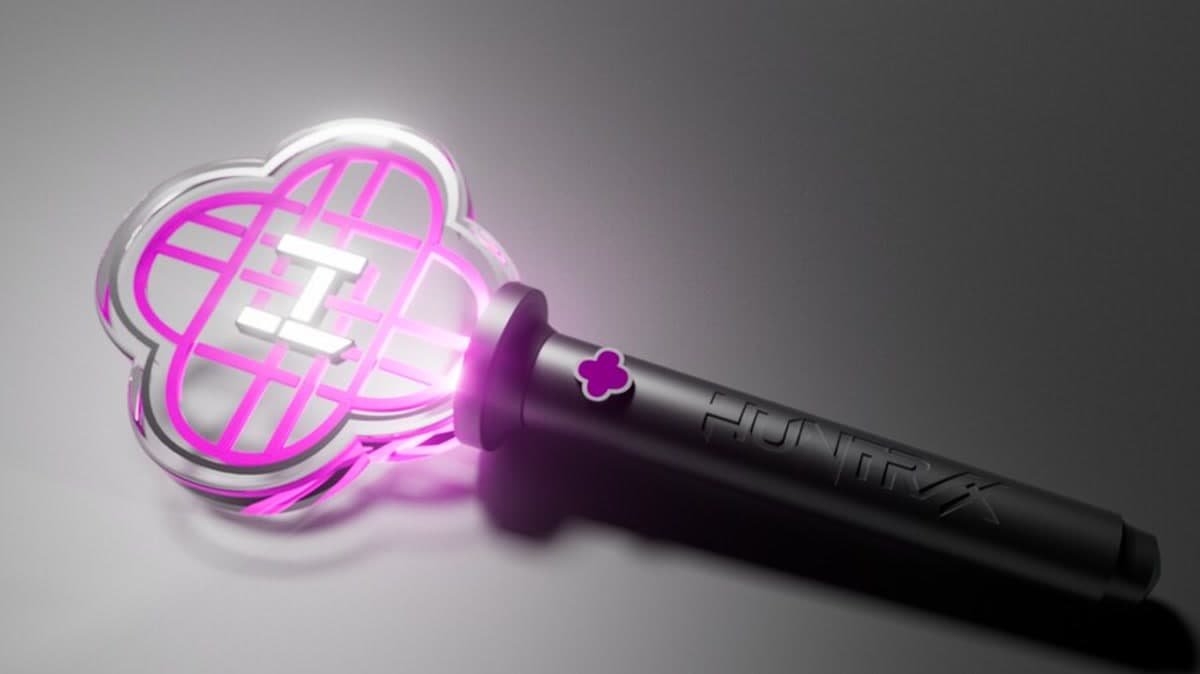
There is a moment that happens at every K-pop concert, a moment that fans have practiced and perfected over years of fandom culture: the lights in the venue dim, the crowd's lightsticks rise, and a single synchronized sea of glowing color washes over the arena. On March 15, 2026, that moment happened at the Dolby Theatre in Hollywood. Not at a concert. At the Academy Awards.
When EJAE, Audrey Nuna, and Rei Ami — the real performers behind the fictional K-pop group HUNTR/X from Netflix's KPop Demon Hunters — took the stage to perform "Golden", they did not walk out to the usual format of an Oscar ceremony performance. They walked out to a room where every single audience member had already been given a lightstick. Yellow glowing orbs — placed discreetly in boxes under each seat before the show began — lit up the Dolby Theatre in a scene that could have been lifted from any arena in Seoul. Hollywood, for one song, had been converted into a K-pop concert venue.
DiCaprio With a Lightstick — The Moment That Went Everywhere
In a room full of Oscar winners and Hollywood royalty, one image cut through everything. Leonardo DiCaprio, seated in the audience, was caught on camera waving his lightstick with visible enthusiasm. The clip circulated instantly across social media, finding a specific kind of delight in the sight of one of Hollywood's most iconic leading men participating — sincerely, it seemed — in the tactile rituals of K-pop fandom culture.
He was not alone. Emma Stone was also seen waving her lightstick during the performance. But DiCaprio's clip landed differently, partly because of pre-existing meme history. Earlier in the awards season, a clip of DiCaprio discussing KPop Demon Hunters at the Golden Globes had circulated online to significant fanfare. The Oscar night moment, then, felt like a continuation of an accidental arc: Hollywood's perennial heartthrob, being pulled, step by step, into the orbit of K-pop.
The same evening, host Conan O'Brien leaned into the phenomenon, creating a real-time meme during the live broadcast by placing text over DiCaprio that read: "TFW you didn't agree to this" — with DiCaprio raising his hands in an expression of bemused confusion. The actor reportedly took it with good humor. "The king of memes," O'Brien introduced him to the audience, to significant laughter. In an Oscars that was already making K-pop history, the meta-commentary on DiCaprio's viral life felt entirely appropriate.
What It Looked Like From the Stage
The performance itself was unlike anything the Oscars had staged before. It opened with the film's "Hunter's Mantra," a chant that K-pop fans of the movie had memorized in the months since the film's release. Performers dressed in Korean hanbok took the stage alongside traditional Korean percussion and live instruments, framing the pop performance within a cultural heritage that made the context explicit. When EJAE, Audrey Nuna, and Rei Ami finally stepped into the spotlight in front of a choreographed wave of yellow silk flag dancers, the Dolby Theatre — filled with lighticks already fully lit — responded the way K-pop crowds have responded for decades.
Cameras panned behind the stage to show the view the performers had: the entire audience, from the front rows of A-list nominees to the balcony seats, holding their glowing lightsticks aloft in unison. Variety called it a "triumphant performance." TV Insider's headline read: "'KPop Demon Hunters' 'Golden' Performance Electrifies at Oscars — Fans React." For the performers themselves — three women whose careers were built in the corridors of K-pop and independent music — standing on that stage and seeing Hollywood's most prestigious ceremony transformed by something their world invented must have been a moment difficult to fully absorb.
The Cultural Shift Hidden in a Lightstick
"Golden" went on to win the night's Best Original Song award — the first K-pop song in Academy history to do so, and the first ever written by more than four credited songwriters (seven, in this case, including producer Teddy Park of The Black Label). When presenter Lionel Richie opened the envelope, a room that had just spent four minutes waving lightsticks in unison responded with a standing ovation.
The lightstick is not incidental to this story. It is the story. The K-pop lightstick was designed to create visible collective identity — to make fans feel that they are not just watching a performance but participating in it. For decades, that participation happened in arenas specifically designed for and by K-pop fandom. The fact that the Academy chose to recreate that culture at the Oscars — not as novelty, not as pastiche, but as genuine ceremony — is a data point about where cultural power actually resides in 2026. It is not flowing in one direction. It never really was.
A number of fan comments captured the feeling precisely. "They gave the Oscars audience lightsticks and filmed DiCaprio using his," wrote one viewer. "I don't know what timeline this is but I'm staying." Another simply posted: "THE ENTIRE OSCARS AUDIENCE WAVING LIGHTSTICKS. WE WON." The posts racked up hundreds of thousands of likes before sunrise.
At the end of the evening, KPop Demon Hunters had two Oscars, "Golden" had rewritten the record books, and the Dolby Theatre had briefly become something K-pop fans recognize intimately: a space where music is not just listened to, but held in your hand, waved over your head, and experienced together. For one night, Hollywood was a K-pop venue. And if the lightstick distribution under every seat was any indication, the Academy knew exactly what it was doing.
There is also something worth noting in the optics of who was holding those lightsticks. This was not a concert venue sold to fans. This was a room of industry professionals — directors, producers, cinematographers, agents, nominees — who came to the Oscars for their own reasons and found themselves, mid-evening, participating in a K-pop ritual they had not planned for. That involuntary participation, captured on camera and shared globally by morning, may be the clearest illustration yet of how completely K-pop has penetrated the culture: not just into what young people watch and listen to, but into the rooms where the entertainment industry decides what matters. The lightstick, glowing yellow over DiCaprio's tuxedo, made that argument without a word.
How do you feel about this article?
저작권자 © KEnterHub 무단전재 및 재배포 금지
Entertainment Journalist · KEnterHub
Entertainment journalist specializing in K-Pop, K-Drama, and Korean celebrity news. Covers artist comebacks, drama premieres, award shows, and fan culture with in-depth reporting and analysis.
Comments
Please log in to comment