Park Ji-hoon's Comedy Pivot Is Winning Fans Over
 By Jang Hojin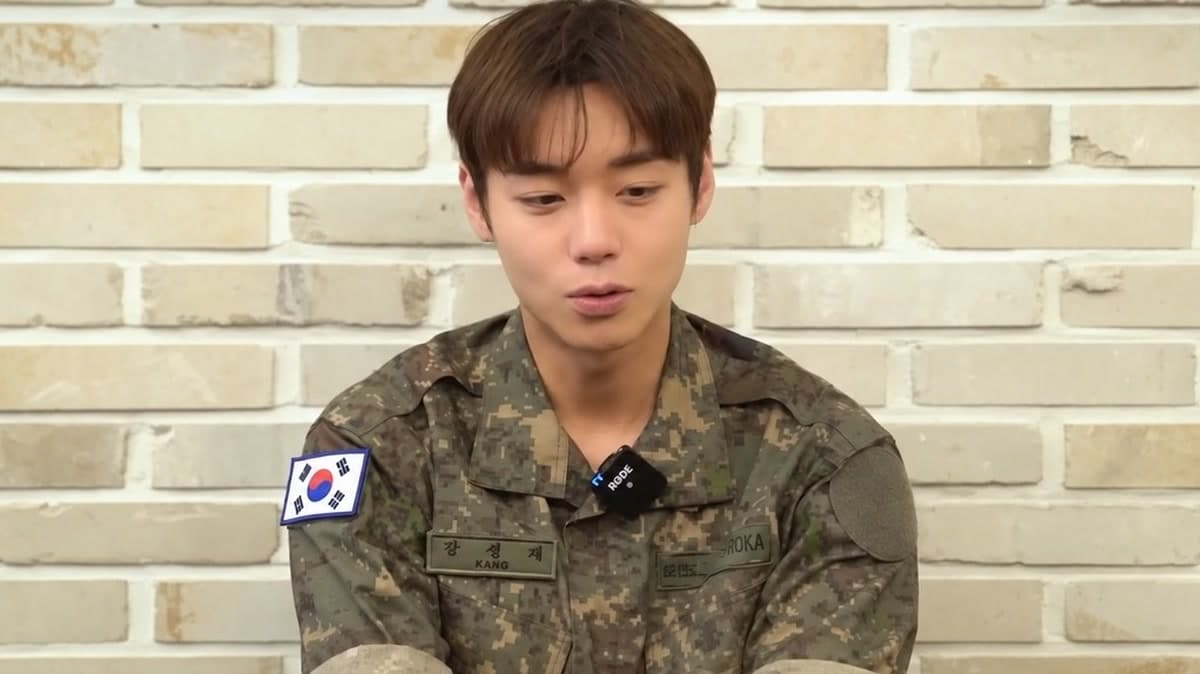
Park Ji-hoon is drawing attention for a sharp tonal pivot, moving from the weight of a historical film breakthrough into the deliberately silly world of Tving's comedy series "The Legend of Kitchen Soldier." The actor's latest screen turn matters because it shows a performer with awards momentum choosing a role built on exaggeration, food fantasy, and physical comic timing rather than staying in the safest prestige lane.
According to The Korea Times, which interviewed Park in Seoul, the actor stars in the Tving original as Seong-jae, a man who knows almost nothing about cooking before a strange game-like window changes the course of his life. The series is based on a popular webtoon and mixes military life, cooking quests, and fantasy comedy. For global K-drama viewers, that combination may sound unusual, but it fits a growing space in Korean streaming: genre blends that are intentionally lighter than crime thrillers, revenge dramas, or high-pressure survival stories.
From Historical Intensity To B-Grade Comedy
Park entered this project after making a strong impression in the historical film "The King's Warden." The Korea Times described that film as a blockbuster, and Park's performance earned him the Best New Actor Award in the film category at the Baeksang Arts Awards in May. That recognition could have pushed him toward another serious role. Instead, he chose a comedy that asks him to sell a completely different kind of energy.
In "The Legend of Kitchen Soldier," Seong-jae is not introduced as a polished genius. He begins as someone with no cooking skill, then encounters a cooking game interface called "Guardian" that only he can see and hear. By clearing quests that help him revive failing dishes, he begins moving toward the unlikely status of a legendary military chef. The joke is not only the fantasy device, but the mismatch between grand heroic language and the practical chaos of cooking for soldiers.
Park told The Korea Times that the show's strength is its relaxed quality. He described it as light and comfortable to watch, with a breezy storyline rather than a tightly wound one. That comment explains the strategic value of the role. After a period when many K-dramas gained global attention through dark stakes and relentless tension, a food-centered military fantasy offers viewers a softer entry point.
The series also gives Park a chance to widen his image. A historical film can highlight discipline, emotional restraint, and dramatic weight. A comedy like this tests whether an actor can react to absurdity without making the scene feel empty. For Park, whose career began when he was a child, the role appears to be less about proving seriousness and more about showing range.
The Food Scenes Are Built Like Fantasy Set Pieces
The drama's most distinctive moments come from the way food reactions are staged. In the episode discussed by The Korea Times, Seong-jae wins over a corporal who dislikes him by serving a hamburger. Park said the script originally included only a brief version of the moment, but he suggested that Seong-jae should keep bringing the hamburger back again and again while pleading for the other soldier to try it. That small addition turned a simple food delivery into a comic rhythm.
Another scene parodied the cooking competition show "Culinary Class Wars" with a blindfolded tasting sequence. Park credited actor Yoon Kyung-ho with suggesting that idea. These details show how the series depends on ensemble timing and on actors adding texture beyond the written page. The humor is not only in the premise; it is in how long a bit is allowed to stretch before it breaks.
The show pushes the reactions even further with computer-generated imagery. The Korea Times described scenes in which Seong-jae plays a pork rib like a flute, rushes into an imaginary battle while holding bean sprouts like a rifle, and watches a North Korean defector transform into a rockstar while praising pork cutlets. These are not realistic cooking-drama beats. They borrow the oversized emotional language of classic cooking manga and turn taste into spectacle.
For Park, that style came with a technical challenge. He said it was difficult to picture the CGI elements from the script alone and that he had to act while gesturing into empty space, sometimes with only a basic guide panel. He described the process as running the scene in his head first and then performing it on the spot. In a comedy this broad, that invisible acting is crucial: if the performer underplays the fantasy, the joke collapses; if he overplays it without control, the scene can feel random.
Park said the difficulty of imagining the CGI-heavy scenes helped them turn out well because he had to commit fully before the final effects existed.
A Role That Reflects His Working Method
Park's comments about acting also give the project a deeper frame. He said he approaches sets like a blank piece of paper, absorbing what is happening around him and reacting to the energy of his co-stars once the cameras roll. That method fits "The Legend of Kitchen Soldier," where the humor depends on responsiveness. A performer cannot treat every food reaction, military gag, and fantasy insert as a fixed dramatic beat. The scene has to breathe with the people in it.
The role required practical preparation as well. Park attended a culinary academy to practice knife skills, even though he joked that the experience pushed him further away from real-world cooking. His comment about military kitchens was equally telling. With mandatory enlistment approaching next year, and after previously expressing interest in the Marine Corps, he said he had ruled out becoming a military chef after seeing how demanding that work can be.
That detail gives the comedy a useful touch of reality. The show may exaggerate food into fantasy, but military cooking itself is not glamorous. Park noted the strain of waking up early and preparing meals for hundreds of people with a small team. For viewers unfamiliar with Korean military culture, that background helps explain why the premise can be funny and stressful at the same time. The fantasy exists because the real job is exhausting.
His Baeksang win also changes how the role is read. Park told The Korea Times that he does not choose projects by trying to predict success or failure from a script. He said he works because it is fun and because he wants to discover different sides of himself. That is a useful statement from an actor at a transition point: he is not treating the award as a reason to narrow his choices, but as part of a broader search for what he can do next.
Why The Pivot Matters For K-Drama Fans
For international fans, Park's move into "The Legend of Kitchen Soldier" is a reminder that Korean actors often build momentum through contrast. A performer can gain credibility in a historical film, then reach a different audience through a streaming comedy, then carry both impressions into the next project. The industry rewards flexibility because viewers follow actors across platforms, genres, and tones.
The series also arrives at a moment when webtoon-based dramas are no longer treated as a narrow category. A military-cooking-fantasy premise might once have sounded too specific for broad audiences, but streaming has made space for stories that are easier to sample and share. A strange food reaction clip can travel online before viewers know the full plot, and an actor like Park can benefit from that immediate visual hook.
What makes Park's performance worth watching is not simply that he changed genres. It is that he chose a project where embarrassment, sincerity, and imagination have to coexist. Seong-jae has to look ridiculous while still wanting something. He has to treat an invisible cooking game as urgent. He has to make a hamburger handoff, a fantasy reaction, or a military kitchen joke feel like part of one character rather than a collection of sketches.
That balance is why the role stands out after "The King's Warden." Park Ji-hoon is not stepping away from serious acting; he is testing whether the same focus can hold inside a much stranger frame. If "The Legend of Kitchen Soldier" continues to connect with viewers, it may be remembered less as an odd detour and more as the moment Park made range the main story.
How do you feel about this article?
저작권자 © KEnterHub 무단전재 및 재배포 금지
Entertainment Journalist · KEnterHub
Entertainment journalist specializing in K-Pop, K-Drama, and Korean celebrity news. Covers artist comebacks, drama premieres, award shows, and fan culture with in-depth reporting and analysis.
Comments
Please log in to comment