Park Sae-eun’s Etoiles Gala Turns Seoul Into A Ballet Crossroads
The 2026 gala shows how a Korean etoile can curate global ballet for home audiences.
 By Noh Yechan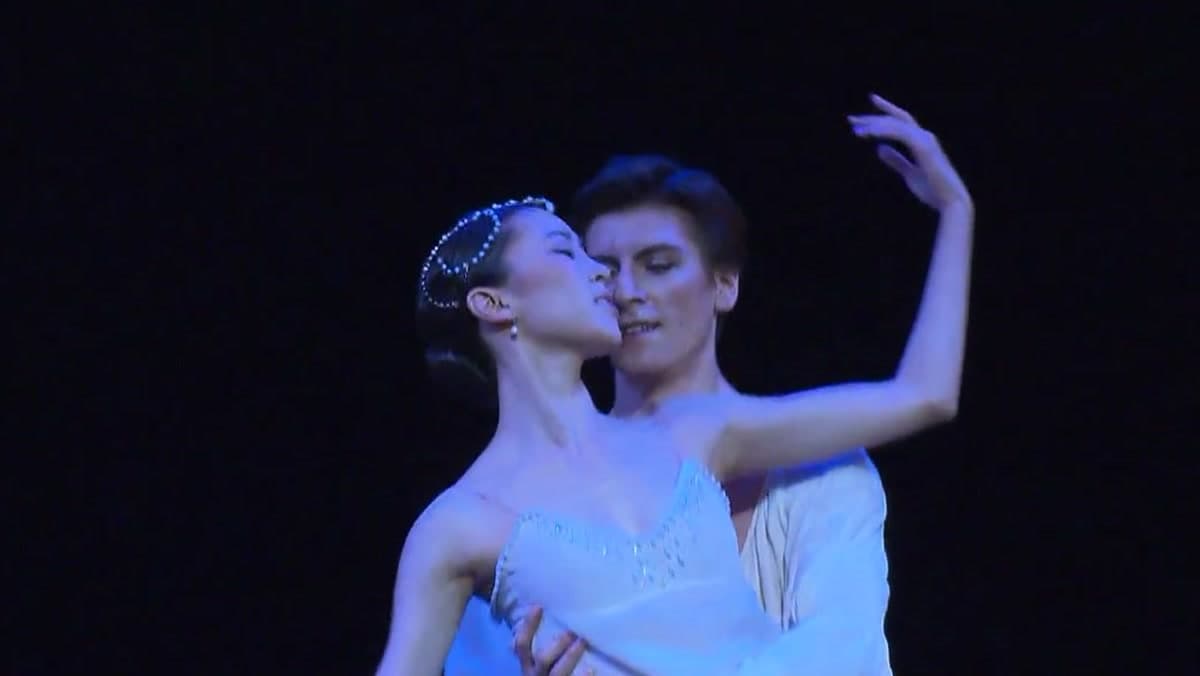
Park Sae-eun has turned a gala into a curatorial statement.
Her "Etoiles of Our Time 2026" opened at Seoul Arts Center on July 29, bringing stars from Paris Opera Ballet, New York City Ballet and La Scala Ballet to Korean audiences across four scheduled performances through August 2. This analysis argues that Park's project matters because it reframes a homecoming by a Korean etoile as an international programming strategy, not simply a showcase of celebrity dancers.
The distinction is important. A gala can easily become a parade of famous names and familiar excerpts. Park's version is more interesting because it uses her credibility inside European classical ballet to import different company languages into one Korean stage. In doing so, she gives local audiences access not just to virtuosity, but to the institutional diversity behind that virtuosity.
A Korean Etoile Becomes A Gatekeeper
Park's authority comes from a rare career position. She became the first Asian dancer to reach etoile status at the Paris Opera Ballet in 2021, after entering the company in 2011 and rising through a system that remains one of classical ballet's most demanding hierarchies. That history changes how the Seoul gala is read. She is not appearing as an invited star returning home; she is selecting which parts of the global ballet map Korean audiences should see up close.
The 2026 edition also marks the fourth year of the "Etoiles of Our Time" series, which began in 2022. Earlier editions were closely associated with the Paris Opera Ballet network, but this year's program widened the frame. By inviting Tyler Peck from New York City Ballet and Nicoletta Manni from La Scala Ballet, Park shifted the event from a Paris-centered homecoming into a three-institution conversation.
That choice matters because ballet companies carry distinct habits. Paris emphasizes line, refinement and a long repertory memory shaped by French schooling. New York City Ballet brings Balanchine and Robbins traditions, speed, musical attack and an American neoclassical identity. La Scala carries Italian theatricality and a strong classical base while also expanding into contemporary work. A Korean gala that places these signatures together becomes a comparative lesson, even before the audience reads the program notes.
The 2026 Scale Is Modest, But Strategically Dense
Still, the impact is not about size alone. The confirmed scale is compact: three major ballet institutions represented, four performance dates and the fourth edition of the series. Those numbers are not stadium statistics, but in performing arts they indicate density. A small number of nights can carry high cultural value when the cast and repertory are difficult to assemble locally.
Confirmed indicators cited in Korean reports: three major ballet institutions, four scheduled performance dates, and the fourth edition of Park Sae-eun's series.Etoiles of Our Time 202601234344InstitutionsDatesEdition
The chart also shows why the event should be judged by curation rather than volume. Three institutions are enough to create contrast without making the evening feel like a sampler platter. Four dates are enough to build word of mouth while preserving scarcity. The fourth edition gives the series continuity, which is crucial in a market where imported classical programs often arrive as isolated spectacles.
That continuity is Park's strongest asset. A one-off gala can impress; a recurring series can train audience expectation. If Korean ballet fans begin to associate late July and early August with this kind of international repertory encounter, the event becomes part of the cultural calendar rather than merely another premium ticket.
Repertory As Argument
The program choices strengthen that argument. Korean reports describe a mix of classical landmarks and less commonly seen works, including excerpts associated with Rudolf Nureyev, "Swan Lake," "Don Quixote," "Romeo and Juliet" and "La Bayadere," alongside modern or neoclassical pieces such as Jerome Robbins' "Other Dances" and "Tarantella," Roland Petit's "Carmen" and other contemporary selections. The point is not to list masterpieces. The point is to let audiences compare different movement logics in a single evening.
That was visible in the reception to the opening performance. Reports singled out Tyler Peck's musical ease in Robbins repertory, Nicoletta Manni's command of dramatic contrast in "Caravaggio" and Park's own expressive control in "Romeo and Juliet" and "Thais Meditation." Those are not interchangeable compliments. They reveal exactly what a well-built gala can do: show technique as a language shaped by institutional history.
For Korean performing arts, this is a valuable bridge. Korea has produced internationally competitive ballet dancers, but domestic audiences do not always get regular access to the repertory ecosystems that shaped those careers abroad. Park's curation narrows that gap. She imports not only dancers but also context, letting Seoul spectators see why a New York City Ballet principal and a La Scala etoile move differently even when both are operating at elite level.
Impact Beyond The Stage
The broader impact is cultural positioning. K-pop and K-drama have made Korea a global exporter of popular entertainment, but classical performing arts still often operate through a different flow: Korean talent leaves, gains status abroad and returns for selected performances. Park's gala complicates that pattern. It suggests Korea can also become a meeting point where international classical artists come because a Korean artist has earned the trust to convene them.
That convening power matters for younger dancers and for audiences. For dancers, it shows a model of career authority that extends beyond performing roles. Park is not only dancing; she is programming, inviting and framing. For audiences, it offers a higher-resolution view of ballet than star branding alone can provide. Seeing several traditions on one stage makes taste more specific, and more specific audiences tend to support more ambitious programming.
The gala's real achievement is not that famous dancers came to Seoul. It is that Park Sae-eun made their differences legible.
Future Outlook
The next question is whether "Etoiles of Our Time" can keep widening without losing identity. Park now has a workable template: anchor the series in her Paris Opera Ballet authority, then invite one or two outside traditions that change the conversation each year. That approach would avoid repetition while preserving the event's core promise.
If the series continues, its importance may grow beyond the ballet niche. It can become an example of how Korean cultural figures with global careers bring networks home in a structured way. Park Sae-eun's 2026 gala is therefore not only a celebration of elite dancers. It is a case study in what happens when a Korean artist becomes the curator of the world's stage, then points that stage toward Seoul.
How do you feel about this article?
저작권자 © KEnterHub 무단전재 및 재배포 금지
Film & Global Culture Reporter · KEnterHub
Film and culture reporter following Korean cinema from Chungmuro to Cannes. Noh Yechan covers theatrical releases, festival circuits and award season, and writes about how Korean entertainment reshapes global pop culture.
Comments
Please log in to comment