Radio Star Turns Musical Numbers Into Viral TV
 By Jang Hojin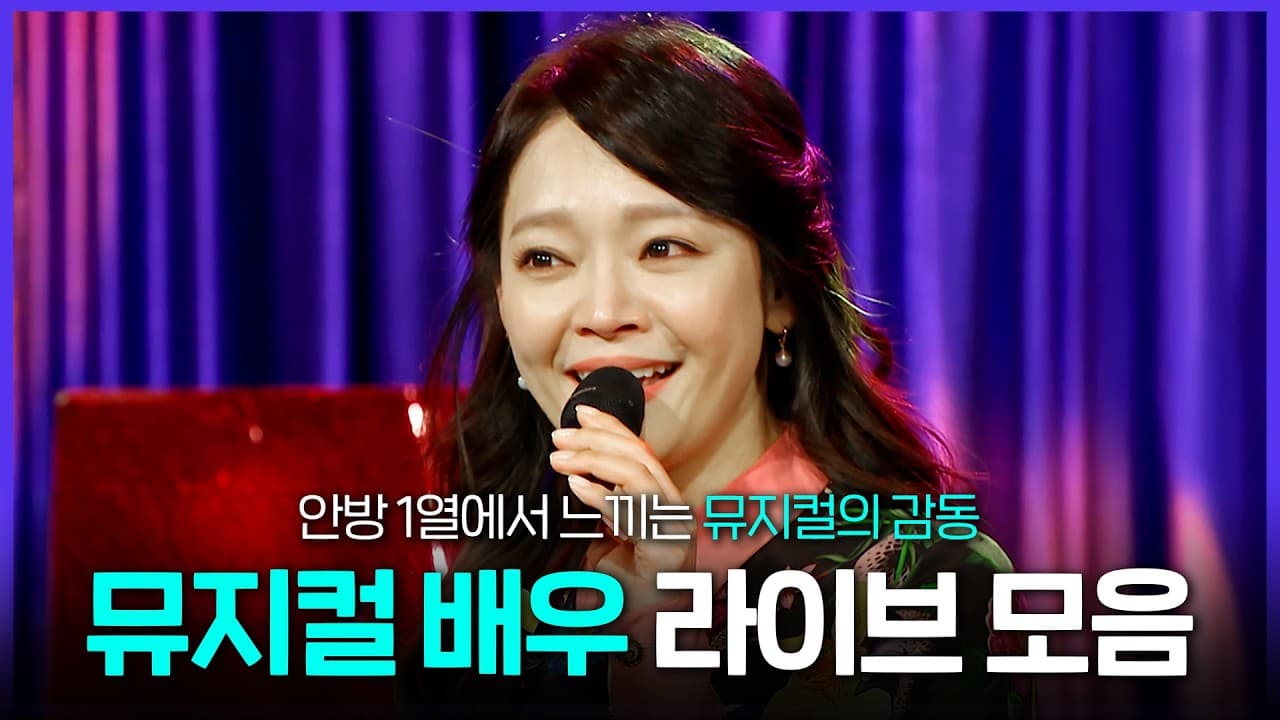
MBC Entertainment has put a fresh spotlight on the stage power of Radio Star by uploading a new official YouTube compilation that turns the long-running talk show's studio into a compact musical theater showcase. The video, titled as a collection of musical-actor performances from the September 25, 2024 broadcast, gathers several singing moments into a single 12-minute package and reframes them for viewers who discover variety content through clips rather than full episodes.
Featured on MBC Entertainment's official YouTube channel, the compilation uses the familiar Radio Star setting in a different way. Instead of centering only on quick jokes, guest banter, or one-line revelations, it lets vocal performances carry the emotional rhythm. The source transcript is dominated by music cues, crowd response, and fragments of Korean and English lyrics, indicating that the uploaded edit is primarily a performance reel rather than a conventional interview segment. That distinction matters: for international K-entertainment audiences, it gives the clip a search-friendly identity as both variety content and live vocal content.
The clip is tied to Radio Star episode 883, which aired on September 25, 2024. Related official listings for that episode identify Kim Junsu, cognitive psychologist Kim Kyung-il, dancer and entertainer Gabee, and comedian Lee Chang-ho among the guests, with the show also highlighting musical-theater references, character comedy, and live stages across the same broadcast package. In the new YouTube upload, MBC leans into the music-centered appeal of that episode and packages it as a "legend song" collection for viewers who may want the performances without searching through the full talk-show flow.
Why the Clip Works Beyond a Simple Highlight Reel
The strongest part of the upload is the way it demonstrates how Korean variety shows continue to recycle broadcast moments into new digital formats without losing context. Radio Star is built around conversation, reaction, and the chemistry between hosts and guests, but the new edit highlights how a studio performance can briefly transform that format. The audience hears applause and exclamations around the songs, while the camera grammar of a talk show keeps the performances close and personal. The result is different from a concert fancam, a music-show stage, or a fully produced live session. It feels like a variety-room performance that has enough polish to stand alone online.
For Kim Junsu in particular, this type of format matches the public image he has built across pop music and musical theater. Related official episode clips from the same broadcast emphasized his return to a terrestrial talk-show format after a long absence, his musical-theater credentials, and his ability to move between idol history and stage-vocal authority. The compilation extends that narrative by letting the performance itself do much of the work. Rather than presenting him only as a guest with a nostalgic story, it reinforces why his name still carries weight among viewers who follow Korean musicals, second-generation K-pop, and live-vocal discussions.
The edit also benefits from contrast. The episode's broader guest lineup connected serious vocal ability, psychology talk, dance-centered entertainment, and character comedy. Gabee's presence brought an entertainer's instinct for performance and persona, while Lee Chang-ho's musical-character material added a deliberately comic version of the musical-theater world. That mix gives the compilation more texture than a straightforward singer showcase. It is not merely saying that the guests can sing; it is showing how musical language has become part of Korean television variety, from sincere ballad delivery to parody, persona building, and stage references that audiences instantly understand.
That variety-show context is important because the video is not an official musical cast recording and should not be treated as one. It is a broadcast highlight that uses songs to remind viewers of an episode's atmosphere. The transcript shows extended musical passages and audience response, but it does not provide clean interview quotes or behind-the-scenes explanations. A responsible reading of the source is therefore to focus on format, performance framing, and public-interest value, rather than pretending the clip contains a new announcement or exclusive statement.
MBC's YouTube Strategy Meets Musical-Theater Fandom
MBC Entertainment's upload also reflects a wider strategy among Korean broadcasters: older or previously aired segments are being repackaged with titles that match how fans search on YouTube. Instead of relying only on the original episode page, broadcasters now create compilation edits around a theme, a guest, a joke, a performance, or a viral line. This approach lets one broadcast generate several different entry points. A viewer searching for Radio Star can find it, but so can a viewer searching for Kim Junsu's live singing, musical-actor clips, Korean variety performances, or memorable MBC stages.
That matters for musical-theater fandom because fans often follow performers across platforms. A singer like Kim Junsu has audiences who know him through idol-era hits, solo music, concert stages, and musical productions. A short YouTube compilation can travel between those fan groups more easily than a full episode link. It can also reach casual viewers who may not have watched the original September 2024 broadcast but will click on a performance-led title. For K-entertainment publishers, this is the type of official source that can support a feature article because the channel, program, and broadcast origin are clear.
The broadcaster label also separates the upload from the fan-made material that often circulates around stage performances. This is not a fan cam or unofficial concert recording. It is an official MBC Entertainment edit, and the source metadata identifies it as a broadcaster-channel YouTube video. That distinction is central for coverage because the article can discuss the clip's editorial packaging, its program context, and its relevance to the artists without relying on unverified audience footage.
There is another reason the clip is well suited to YouTube. Musical performances in a talk-show studio are easy to understand even when a viewer does not speak Korean fluently. The transcript contains many music markers and partial lyric fragments, but the performance value is communicated through vocal tone, audience reaction, and the visible shift in the room. This gives the upload cross-border potential. International fans who follow Korean entertainment can use the video as a gateway to the episode and to the performers' broader work, while domestic viewers can revisit a familiar broadcast moment in a more compact format.
Performance Clips Are Becoming Evergreen Variety Assets
The timing of the upload also shows how broadcasters are treating entertainment archives as evergreen assets. A clip connected to a 2024 broadcast can be uploaded or resurfaced in 2026 with a new search angle, especially when the material has durable appeal. Musical-theater numbers, ballads, and variety performances age differently from breaking news. They do not depend on a single release date in the same way a comeback teaser does. If the singing remains impressive and the guest lineup is recognizable, the clip can still attract viewers long after the original episode aired.
For Radio Star, that gives the program a second layer of digital life. The broadcast still functions as a weekly talk show, but its official YouTube channel presence lets MBC turn selected segments into standalone cultural moments. A viewer might first encounter the performance reel, then move to related clips about Kim Junsu's talk-show appearance, Gabee's character-driven variety moments, or Lee Chang-ho's musical parody. Each clip strengthens the episode's discoverability while keeping the official rights holder at the center of circulation.
From a fan-response perspective, the likely appeal is straightforward. Kim Junsu's supporters get another official stage-adjacent clip to share. Variety fans get a concise edit with laughter, applause, and recognizable Radio Star pacing. Musical fans get a reminder that Korean television remains a powerful promotional space for stage performers, even when the setting is not a theater. The compilation sits at the intersection of all three audiences, which is exactly where many successful entertainment clips now live.
The video also underlines a broader trend in K-entertainment coverage: official YouTube uploads are becoming primary sources in their own right. A broadcaster's edited clip can now drive renewed discussion, not only document it. When a major channel packages an episode around "legend songs," it is making an editorial claim about what viewers should remember. In this case, the claim is that the Radio Star studio briefly became a performance venue, and that the episode's musical moments are strong enough to be watched independently.
As MBC continues to mine its variety catalog for themed clips, performance-centered edits like this one are likely to remain valuable. They are safe for international sharing, easy to embed, and connected to names that already have fan communities. The latest upload does not announce a new project, but it does something useful for the program and its guests: it turns a broadcast memory into an official digital stage, giving viewers another reason to revisit Radio Star through the language of music.
How do you feel about this article?
저작권자 © KEnterHub 무단전재 및 재배포 금지
Entertainment Journalist · KEnterHub
Entertainment journalist specializing in K-Pop, K-Drama, and Korean celebrity news. Covers artist comebacks, drama premieres, award shows, and fan culture with in-depth reporting and analysis.
Comments
Please log in to comment