SM CEOs Named Billboard Indie Power Players for 3rd and 5th Year
Chang Cheol-hyuk and Tak Young-jun are among global music industry leaders recognized for their impact outside the major label system
 By Park Chulwon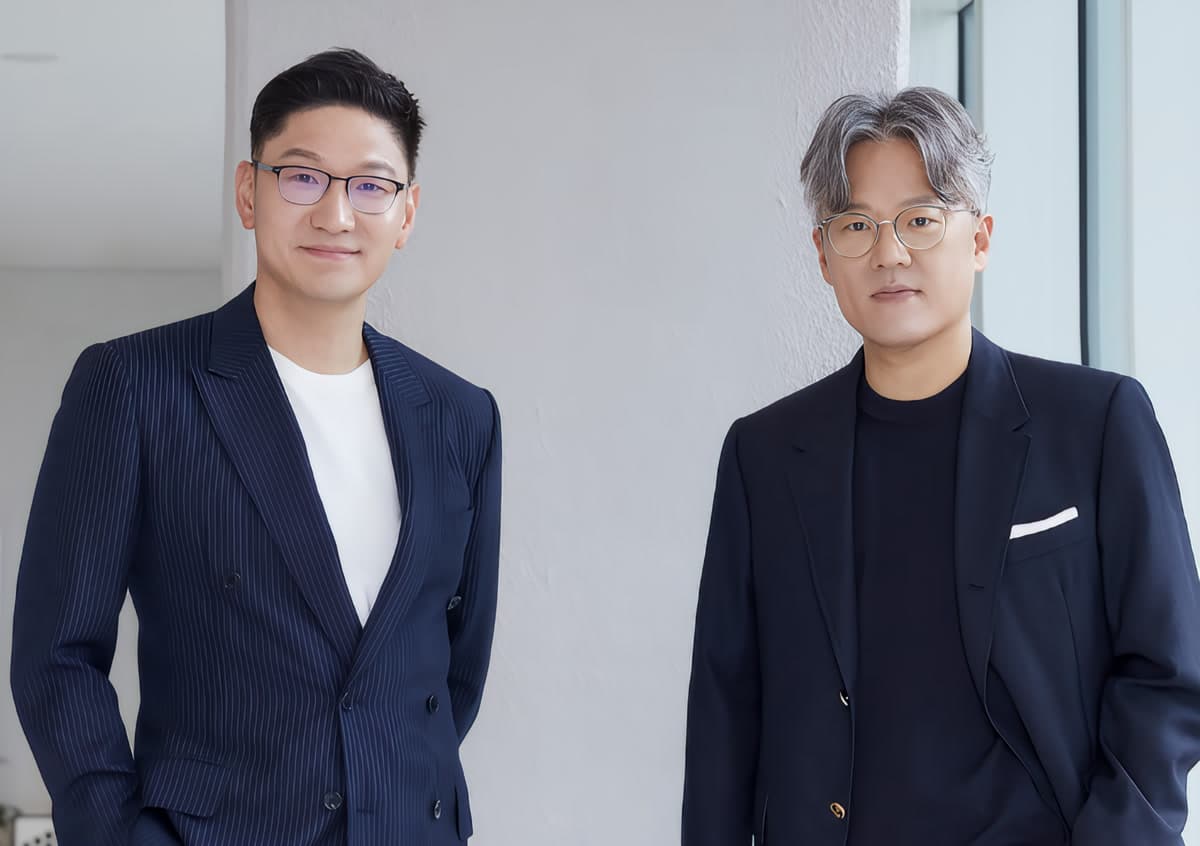
SM Entertainment's two co-CEOs have once again been named to Billboard's annual Indie Power Players list, with the recognition now stretching to three consecutive years for Chang Cheol-hyuk and five for Tak Young-jun. The announcement came on May 8 (US time) through Billboard's official channels.
Billboard's Indie Power Players list, which has been published annually since 2017, focuses specifically on music industry executives who operate outside the three major global labels — Universal Music Group, Sony Music Entertainment, and Warner Music Group. In that context, SM Entertainment's presence on the list signals the degree to which Korean entertainment companies have built genuinely independent global leverage over the past decade.
SM in the Global Indie Framework
For a K-pop company to be recognized as an independent power player on a US music industry list is itself a notable distinction. Most of the global music industry still defaults to categorizing K-pop as a regional genre — commercially strong but structurally dependent on partnerships with major labels for distribution and marketing outside Korea. SM's repeated inclusion on this list pushes back against that narrative.
SM Entertainment's catalog includes some of the most globally recognized K-pop acts of multiple generations: H.O.T. and S.E.S. in the first wave, TVXQ and Girls' Generation in the second, EXO, NCT, and aespa in the third and fourth. Maintaining that kind of multi-generational relevance without being absorbed into a major label structure is precisely the kind of achievement Billboard's list is designed to recognize.
Tak Young-jun's five-year streak on the list puts him in company with a small group of non-major executives who have sustained that level of recognition globally over multiple years. The consistency suggests that Billboard is tracking not just a single year's performance but a sustained strategic impact.
What the Co-CEOs Said
Chang Cheol-hyuk, speaking about the recognition, tied it directly to SM's evolving strategic vision. He described the company's current direction as rooted in the SM NEXT 3.0 strategy — an internal initiative focused on strengthening the company's creative capabilities from within. "If SM leads new trends, we will be able to form deeper bonds with fans worldwide," Chang said.
Tak Young-jun focused on the changing nature of fan engagement. He noted that the way fans consume music and content is shifting — that the space and experience around the music is becoming as important as the music itself. This is a distinctly modern observation about the K-pop industry, where fandom is built not just through listening but through merchandise, events, fan platforms, and physical spaces. Tak's reading suggests SM is thinking carefully about how to compete on all of those dimensions.
SM NEXT 3.0 and What It Signals
SM Entertainment has been through a significant period of corporate change over the past several years, including leadership transitions and a shift in its shareholder structure. Against that backdrop, the consistent recognition of its co-CEOs on an internationally prominent list is a signal of organizational stability and continued external credibility.
The SM NEXT 3.0 strategy that Chang referenced represents the company's effort to define a new era for itself — one that preserves its legacy while adapting to a landscape where the rules of global music industry influence are changing fast. Streaming fragmented the business model. Social media rewrote the rules of artist discovery. Fan culture evolved from passive consumption to active participation. SM, like all major K-pop companies, is navigating those shifts in real time.
The Billboard recognition suggests that at least on the structural side — running a competitive, globally relevant music company without major label support — SM is doing something right. Whether the SM NEXT 3.0 creative pivot will translate into the next generation of globally beloved acts is the question the industry will be watching closely.
K-Pop's Broader Industry Footprint
SM's repeated inclusion in the Indie Power Players list is part of a broader pattern in which Korean entertainment executives are showing up in Western industry conversations at a frequency that would have been unimaginable a decade ago. HYBE, JYP Entertainment, and YG Entertainment have all grown their international footprints significantly, and their leadership is increasingly recognized in US-centric industry discussions.
For fans, this kind of industry recognition tends to be background noise — what matters is the music, the performances, and the connection with artists. But for the long-term health of K-pop as a global phenomenon, having its executives recognized as genuine industry players, rather than novelty imports, is a meaningful step. It means the infrastructure that creates K-pop is being taken seriously on its own terms.
SM Entertainment's next major challenge is creative: delivering artists and albums that connect with the next generation of global fans as effectively as its legacy acts connected with theirs. If Chang's and Tak's consecutive Billboard recognitions are any indication, the company's leadership is thinking about that question seriously — and the answer may start with the strategy they have already put in motion.
There is a larger story in SM's repeated Indie Power Players recognition that is worth considering in context. The list exists, in part, to push back against the assumption that independent music companies cannot compete meaningfully with the three majors at a global scale. When a Korean entertainment company earns a place on that list five years running, it challenges a set of assumptions that the Western music industry has long held about where the boundaries of its own power lie.
For SM Entertainment, the next chapter is about proving that the strategic vision outlined by its co-CEOs can be realized in the music itself. The Indie Power Players recognition is an endorsement of the infrastructure. The fans — and the artists — will write the rest of the story.
What makes the SM case particularly compelling is the consistency. A single good year could be attributed to timing, to a single hit act, to favorable market conditions. Five consecutive years — maintained through industry transitions, the disruptions of the streaming era, and significant corporate change within SM itself — suggests something more structural. It suggests that the underlying model works.
That model, at its core, is simple to describe and difficult to execute: develop artists with global ambition from the beginning, invest in the infrastructure needed to support them internationally, and build a fanbase that crosses borders. SM did not invent this approach, but it refined it into a system that produces results at scale and at a level of consistency that few non-major entities anywhere in the world can match.
How do you feel about this article?
저작권자 © KEnterHub 무단전재 및 재배포 금지
Entertainment Journalist · KEnterHub
Entertainment journalist focused on Korean music, film, and the global K-Wave. Reports on industry trends, celebrity profiles, and the intersection of Korean pop culture and international audiences.
Comments
Please log in to comment