Song Eun-yi’s Leave Advice Starts A Debate
 By Jang Hojin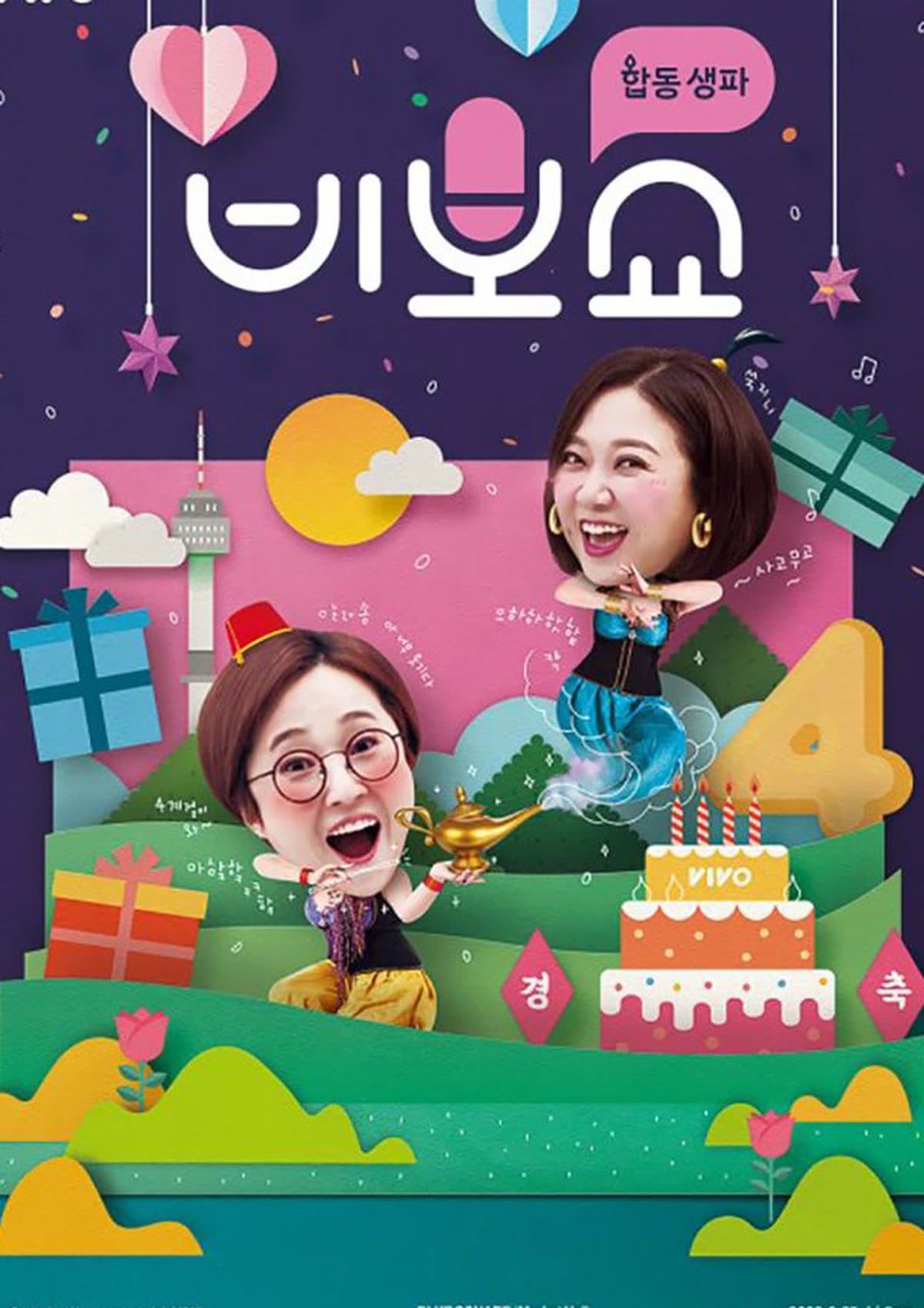
Song Eun-yi and Kim Sook have turned a small workplace dilemma into one of the most talked-about Korean entertainment clips of the week. The issue sounds simple at first: if an employee takes sick leave and later feels well enough to visit a nearby cafe, is it wrong to post that moment on social media?
The question came up on the June 3 episode of VIVO TV’s “Secret Guarantee,” where Song Eun-yi and Kim Sook read a viewer’s story and weighed how much responsibility each person in the situation carried. By June 4 and 5, Korean outlets had picked up the exchange, and the discussion began moving beyond the original YouTube audience because it touched a familiar tension in office life: the gap between a worker’s formal right to use paid leave and the emotional burden placed on colleagues who cover the work.
The clip also drew attention because Song was not answering only as a comedian. She is widely known as a broadcaster and as the head of Media Lab Seesaw, so her comments carried the extra weight of a working CEO discussing how leave should be understood inside a company. Kim, meanwhile, took the sharper opposing side, giving the segment the clear back-and-forth that makes advice-show content easy to share.
The Story That Sparked The Debate
The viewer’s story, as summarized across Korean reports, began with a sudden health problem before work. The person said they felt unwell the day before reporting to the office and had to take leave on short notice the following day. After resting at home for most of the day, they felt somewhat better in the evening and went to a cafe near home to get some air.
The problem began when the person uploaded a cafe photo to a social media story. A colleague who had apparently handled extra work that day saw the post and sent a message asking why the person was at a cafe after saying they were sick. The viewer explained that they had been unwell earlier but had improved enough to step outside briefly. The colleague replied that they had struggled while handling the absent worker’s share of tasks and felt annoyed after seeing the post.
That setup is why the segment traveled so quickly. The conflict is specific enough to feel like a real story, but broad enough that almost anyone who has worked in an office can imagine both sides. The person on leave used their own time and did not appear to violate a formal rule. The colleague, however, felt the emotional sting of extra labor and then saw a public-looking post that seemed to clash with the reason for the absence.
VIVO TV framed the story through a “who was more at fault” style conversation, a format that suits Song and Kim’s chemistry. It gave both hosts room to be direct while still keeping the tone light enough for a variety clip. That combination made the debate feel less like a labor-law lecture and more like a living-room argument that viewers could join in.
Song Eun-yi Defends The Right To Use Leave
Song Eun-yi’s position was the more rights-based one. Korean reports consistently quote her as saying that annual leave can be used regardless of the reason and that taking issue with the leave itself is the bigger problem. In one widely circulated summary, she assigned only a small share of fault to the employee and a much larger share to the colleague who criticized them.
Her reasoning was straightforward: paid leave is a legitimate right, not a favor granted only when a worker performs visible suffering. If the person used their own leave, then the fact that they later stepped outside should not automatically become grounds for judgment. Song’s answer stood out because many viewers recognized how often workplace culture treats time off as something that still needs social approval after it has already been approved administratively.
At the same time, Song did not treat the social media post as completely consequence-free. She reportedly gave the employee a small amount of responsibility because uploading the cafe photo created room for misunderstanding. That nuance is why her answer resonated. She defended the principle of leave while acknowledging that public posts can affect how colleagues feel, especially when those colleagues had a harder day because someone was absent.
Kim Sook’s response created the counterweight. She judged the employee more harshly, focusing on how the situation might appear to a coworker who had been covering extra work. Kim’s reaction gave voice to a common office sentiment: even when a person has a right to take leave, the visible optics of enjoying a cafe visit can feel unfair to the people still at work.
The difference between Song and Kim’s answers made the clip stronger. If both hosts had agreed immediately, the segment would have been a short moral statement. Instead, their split gave viewers two recognizable positions. One side says that leave is leave and should not be policed. The other says that workers should understand how their public posts may land when coworkers are under pressure.
Why A Variety Clip Hit A Real Workplace Nerve
The topic is trending because it sits at the intersection of entertainment, workplace culture, and social media behavior. Korean variety content often becomes viral when celebrities discuss everyday life with unusual directness, and this clip did exactly that. It did not depend on a scandal or a dramatic revelation. It depended on a situation many viewers have either experienced or silently worried about.
There is also a generational and cultural layer. In many offices, taking leave is formally allowed but emotionally complicated. Workers may feel pressure to explain why they are absent, avoid being seen outside, or prove that they were sick enough to deserve the day off. Social media makes that tension sharper because a small post can collapse the boundary between private recovery time and the workplace’s perception of that time.
Song’s CEO identity gave the segment an additional hook. When an entertainer who actually runs a company says the leave itself should not be questioned, the comment sounds different from a casual opinion. It suggests a management philosophy: do not turn every approved absence into a moral investigation. That is likely why headlines highlighted her status as a CEO rather than only as a broadcaster.
Kim’s more skeptical reading is also part of the appeal. She did not need to be legally correct to represent a real emotional response. Her stance reflected the resentment that can build when the practical burden of leave falls unevenly on coworkers. In that sense, the clip became less about one cafe visit and more about the systems that make workers feel personally responsible for each other’s absences.
The discussion also shows why advice segments remain powerful in Korean entertainment. They allow celebrities to talk about ordinary problems with the timing of a comedy routine but the emotional stakes of a real counseling session. Viewers can disagree with the hosts, quote them, or compare the story to their own workplaces. That participatory quality is exactly what gives a short YouTube exchange a longer news life.
What The Debate Leaves Behind
For fans of Song Eun-yi and Kim Sook, the episode is another example of why their pairing continues to work. Song often brings a grounded, production-minded perspective, while Kim is quick to cut through a story with a sharper instinctive judgment. The result is a conversation that feels both funny and useful, especially when the subject is close to daily life.
For office workers, the more practical takeaway is not that everyone should post freely or hide everything. The takeaway is that leave policies and workplace trust need to be clear enough that a brief recovery outing does not become a public trial. If a company grants leave, it should not expect employees to perform a perfect image of illness all day. At the same time, workers who know a colleague is carrying extra pressure may choose discretion online, not because they have no right to go out, but because social media rarely shows the full context.
That balance is what made Song’s answer travel. She protected the core principle while admitting that presentation matters. Kim protected the coworker’s feelings while reminding viewers that fairness is not only about rules. Together, they turned a tiny cafe story into a larger conversation about rights, manners, and the invisible emotional accounting that happens in workplaces every day.
As long as “Kim Sook” and related VIVO TV clips remain visible in Korean search trends, the debate is likely to keep circulating. It gives viewers a clear question to argue over, two beloved entertainers taking different sides, and a workplace scenario that feels uncomfortably easy to imagine. That is a strong formula for a Korean entertainment story that moves well beyond the original YouTube upload.
How do you feel about this article?
저작권자 © KEnterHub 무단전재 및 재배포 금지
Entertainment Journalist · KEnterHub
Entertainment journalist specializing in K-Pop, K-Drama, and Korean celebrity news. Covers artist comebacks, drama premieres, award shows, and fan culture with in-depth reporting and analysis.
Comments
Please log in to comment