The Scandal Review: Netflix Week-Two Lift Signals Momentum
Son Ye-jin, Ji Chang-wook and NANA turn a Joseon-era wager into a measurable global K-drama climb.
 By Baek Seoyun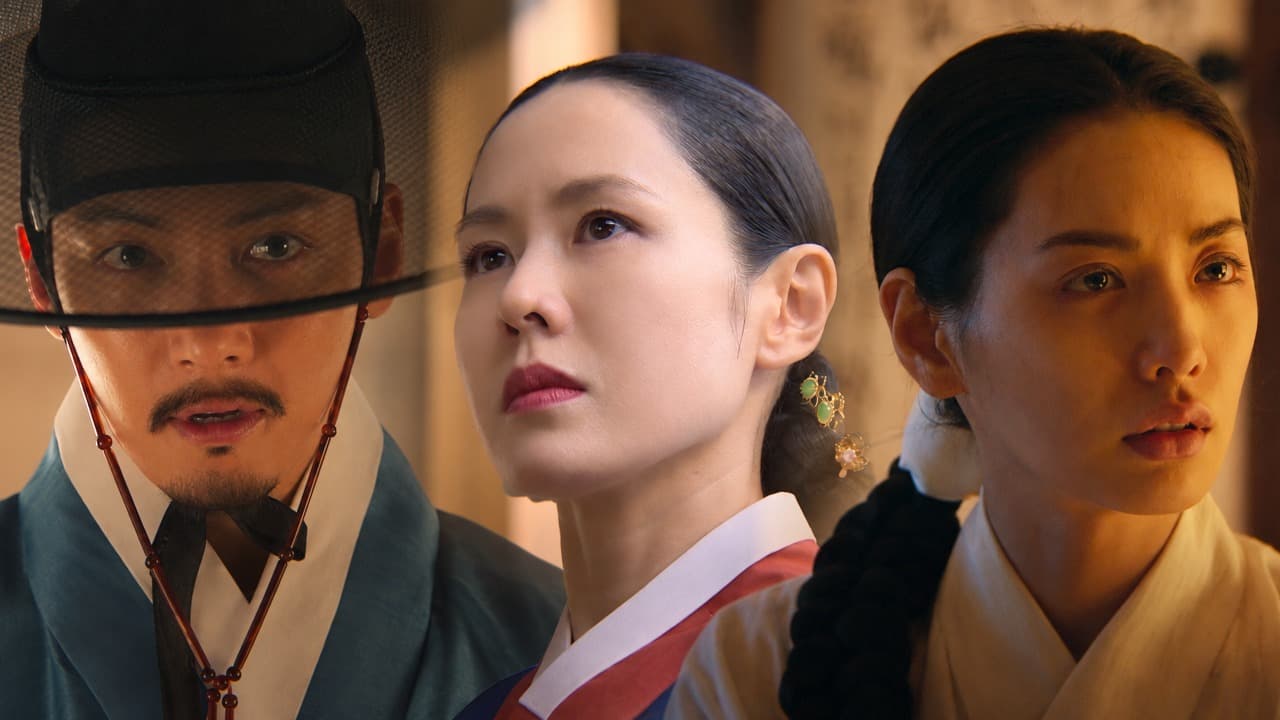
The Scandal did not simply arrive as another star-led Netflix period drama.
In its second full week of global availability, the Son Ye-jin, Ji Chang-wook and NANA limited series turned curiosity into measurable momentum: 2,800,000 views and 21,900,000 viewing hours for the week reported on September 30, 2026, according to Netflix Top 10 figures cited by Korean media and ChosunBiz. That placed the Joseon-set romance at No. 3 on Netflix's global Top 10 non-English shows list and pushed it into Top 10 rankings in 18 countries.
For a review, that matters more than the rank alone. The question is whether The Scandal converts its lavish premise into sustained attention. Its second-week lift suggests that it does. This article reviews how the series' global performance turns a familiar adaptation strategy into a sharper K-drama signal: star power may open the door, but week-two growth is what tells platforms and producers that viewers stayed.
A Classic Bet Rebuilt For Streaming
That performance sits on a deliberately recognizable foundation. Netflix's official materials describe The Scandal as a Joseon-era reimagining of Dangerous Liaisons, centered on Lady Cho, Cho Won and Hui-yeon as a secret wager pulls desire, status and punishment into the same room. Son Ye-jin plays Lady Cho, Ji Chang-wook plays Cho Won, and NANA plays Hui-yeon, giving the series a cast configuration that can travel across K-drama, Hallyu and Netflix audiences at once.
But familiarity is a double-edged asset. A famous source gives viewers an entry point, yet it also raises the burden of distinction. The series has to be more than a costume transfer of a French classic. It has to make the Joseon setting feel like the engine of the conflict rather than a decorative wrapper.
The strongest parts of the viewing experience come when the show understands that constraint. The period setting gives every gesture a cost: a letter, a glance, a visit and a refusal all become social moves. That is where the adaptation earns its streaming attention. Instead of leaning only on scandal as provocation, it frames scandal as a system of visibility, where private desire becomes dangerous because society is always watching.
The Numbers Show A Real Second-Week Lift
But aesthetics alone do not explain the jump. The clearest story is in the week-over-week data.
FlixPatrol, citing Netflix weekly report data, lists The Scandal at 1,900,000 views and 14,500,000 viewing hours for September 14-20, 2026, a partial first-week window after the September 18 global release. In the following reported week, Korean media and ChosunBiz cited Netflix Top 10 data showing 2,800,000 views and 21,900,000 viewing hours. That means views rose from 1.9 million to 2.8 million, a 47.4% increase, while viewing hours rose from 14.5 million to 21.9 million, a 51.0% increase.
That comparison is the heart of the review. A first-week debut can be inflated by anticipation, trailers and actor loyalty. A second-week climb is a different kind of evidence. It means the show was still being sampled, recommended and completed after the opening wave, and the slightly larger gain in hours than in views hints that viewers were spending deeper time with the title rather than only checking its first episode.
Grouped bar chart comparing The Scandal views and viewing hours: 1.9 million views and 14.5 million hours for September 14-20, 2026, rising to 2.8 million views and 21.9 million hours in week 2. The Scandal: Netflix Weekly Viewing Growth 0 50% 100% Views Hours Views Hours 1.9M 14.5M 2.8M 21.9M Week 1: Sep. 14-20 Week 2 Views Hours
Why The Review Turns Positive
The positive case for The Scandal is not that it reinvents the period romance from scratch. It does not need to. Its achievement is cleaner: it packages moral gamesmanship, recognizable stars and courtly visual pressure into a format that viewers can understand quickly, then lets the numbers show that the premise held beyond premiere-week curiosity.
There are risks in that package. A story built around seduction and manipulation can become airless if the characters are treated only as pieces on a board. The available performance data cannot judge every creative choice. Still, the second-week expansion suggests that the show found enough emotional and visual traction to move past simple name recognition.
The local signal supports that reading. Netflix Tudum's South Korea Top 10 page for September 21-27, 2026 lists The Scandal: Limited Series at No. 2 in shows in Korea. That does not make it the country's only talking point, but it does show the title was still competing strongly at home while also ranking globally. For K-dramas, that balance matters. A series that travels internationally while retaining domestic chart presence is easier to frame as a Hallyu export rather than merely a platform artifact.
The 18-country Top 10 footprint adds another layer. It points to regional spread across markets such as Japan, Hong Kong, Bangladesh, Malaysia and the Philippines, as reported by Korean media. The implication is not that every market reacted the same way. It is that the show's premise was legible across multiple viewing cultures, which is exactly what Netflix needs from a high-profile Korean period title.
That is also why the review should resist treating the ranking as a trophy. The more useful lesson is behavioral: a drama that asks viewers to invest in etiquette, manipulation and slow-burn consequences still expanded its audience once full episodes were available. In a market often judged by opening noise, that kind of second-week confirmation is the stronger signal.
What Comes Next
The outlook now depends on durability. A week-two rise gives The Scandal a stronger review profile than a front-loaded debut, but the next question is whether completion, discussion and recommendation can keep the title visible after the initial rankings cycle. Period dramas often need time to become prestige conversation, while streaming charts reward fast consumption.
For now, the verdict is cautiously favorable. The Scandal works best as a measured K-drama success story: 1.9 million views in its first reported week became 2.8 million in the next, and 14.5 million hours became 21.9 million. Those numbers do not prove artistic greatness by themselves. They do prove that the series' combination of stars, Joseon spectacle and classic romantic danger created momentum that viewers could see, platforms could measure and the K-drama market will study closely.
How do you feel about this article?
저작권자 © KEnterHub 무단전재 및 재배포 금지
K-Drama & TV Correspondent · KEnterHub
Television and drama correspondent covering Korean series from first script reading to finale. Baek Seoyun tracks casting news, OTT release strategies, and the creative teams behind Korea's biggest shows, with a particular interest in how K-dramas travel to global audiences.
Comments
Please log in to comment