Thunder Returns With Self-Produced JESUS MV
 By Jang Hojin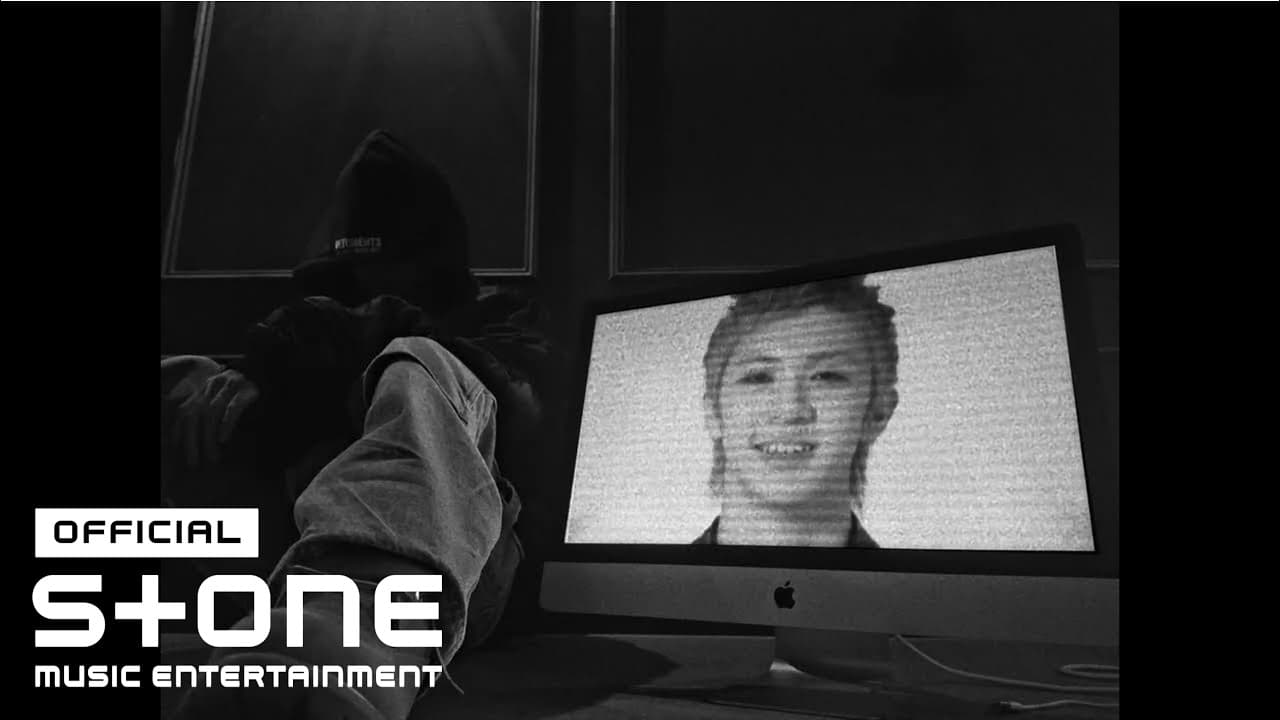
Thunder has released the official music video for "JESUS," presenting a compact but highly self-directed return that places his own name across nearly every creative credit. Featured on Stone Music Entertainment's official YouTube channel, the video description lists Thunder as executive producer, lyricist, composer, arranger, programmer, background vocalist and mixing engineer at MOOVE LABEL. The track is also credited to Waymon Enorcheco Tohomaso for lyrics and composition, while Kwon Nam Woo at 821sound handled mastering and Mimi designed the album cover. In a market where comeback credits are often split across large teams, the "JESUS" listing immediately frames Thunder as the central architect of the release.
The source description opens with the line "Father I'm glitching," a phrase that gives the MV an unsettled digital-spiritual tension before the credits even begin. That short line suggests a confession, a system error, a plea and a performance identity all at once. The title "JESUS" carries symbolic weight, but Thunder's framing reads less like a conventional statement and more like a dramatic pop image built around instability, dependence and transformation. The result is a release that asks viewers to watch the MV as both a song launch and a declaration of creative authorship.
A solo release defined by ownership
The most striking detail of the "JESUS" release is the concentration of authorship. Thunder is not only the face of the MV. He is credited with executive production, lyrics, composition, arrangement, all programming, background vocals and mixing. That scope matters because it shapes how fans read the song. Instead of treating it as a standard comeback package delivered to an artist, listeners are invited to approach it as a personal studio statement. The MOOVE LABEL credit reinforces that sense of independence, suggesting a release built close to Thunder's own creative base.
Self-production can be risky because it leaves less distance between the artist and the final result. It can also be powerful for the same reason. When an artist controls the structure, sound and vocal layering, the song becomes a clearer reflection of his current taste. For Thunder, whose public identity has moved through idol activity, solo work and entertainment appearances, a self-produced MV gives fans a reason to reassess him as a maker rather than only a performer. The "JESUS" credits make that argument directly and turn the description into part of the story.
The collaboration with Waymon Enorcheco Tohomaso adds another layer. By sharing lyrics and composition while keeping arrangement and production centered on himself, Thunder appears to balance outside input with a strong personal finish. Mastering by Kwon Nam Woo at 821sound gives the release a professional final polish, while Mimi's album cover design rounds out the visual identity. Even in a brief video description, the creative chain is unusually transparent, which helps fans understand how the track was assembled.
What the title and concept suggest
Pop songs that use a title like "JESUS" tend to create immediate curiosity because the word carries emotional, cultural and visual charge. Thunder's opening phrase, "Father I'm glitching," points toward vulnerability rather than triumph. The word "glitching" places the narrator in a malfunctioning state, as if the self is breaking up in real time. Paired with "Father," it suggests someone looking upward or inward for repair. That gives the MV a conceptual hook even before viewers parse the full lyric or production.
For K-pop and K-R&B audiences, this kind of image can work well when the sound and visuals lean into contrast: sacred language against electronic distortion, confession against performance, isolation against spectacle. The official YouTube thumbnail and MV presentation give the release a clear visual anchor for that contrast. Because the song runs just over three minutes, it also fits the modern MV economy. It is concise enough for replay, but the title is strong enough to invite discussion, interpretation and repeat viewing.
The decision to release through Stone Music Entertainment is also meaningful. Stone Music's channel gives the MV an official distribution point with a broad Korean music audience, while the MOOVE LABEL credit preserves Thunder's independent creative identity. That combination lets the release feel both professionally distributed and personally controlled. For fans who follow artist-driven projects, that balance is often more compelling than a large campaign with little visible authorship.
Fan response and career outlook
The first wave of fan response will likely focus on Thunder's hands-on role. Credits can shape a comeback narrative as much as teasers or styling, and "JESUS" gives supporters a simple story to share: Thunder made the song, shaped the production and delivered the MV under his own creative direction. That is the kind of detail that can travel across fandom posts, especially among listeners who value self-producing idols and soloists.
The release also gives Thunder a useful bridge between older recognition and current ambition. Longtime fans may come to the MV because of his name, but the production credits ask them to stay for his present musical identity. New listeners may arrive through Stone Music's channel and encounter an artist who is presenting himself as producer, songwriter and performer in one package. That positioning could matter if "JESUS" is part of a broader run of self-made work rather than an isolated single.
Commercially, the song's next test will be whether its concept creates repeat conversation beyond the initial MV release. The title is memorable, and the credit list gives media and fans a concrete angle. To sustain momentum, the track will need playlist traction, short-form sharing or follow-up content that explains the creative process. A behind-the-scenes clip, studio note or performance version would fit naturally because the story behind "JESUS" is as much about how Thunder made it as what the finished MV shows.
For now, the official MV establishes a clear message. Thunder is not returning as a passive vocalist attached to a prebuilt track. He is presenting "JESUS" as a self-produced statement from MOOVE LABEL, polished through Stone Music's official channel and built around a striking central phrase. That gives the release a focused identity in a crowded K-pop field: personal, controlled and deliberately dramatic. The next phase will show whether Thunder turns this authorship into a longer artistic lane.
How do you feel about this article?
저작권자 © KEnterHub 무단전재 및 재배포 금지
Entertainment Journalist · KEnterHub
Entertainment journalist specializing in K-Pop, K-Drama, and Korean celebrity news. Covers artist comebacks, drama premieres, award shows, and fan culture with in-depth reporting and analysis.
Comments
Please log in to comment