Why a T-ARA-Linked Agency Building Fell to Auction
 By Park Chulwon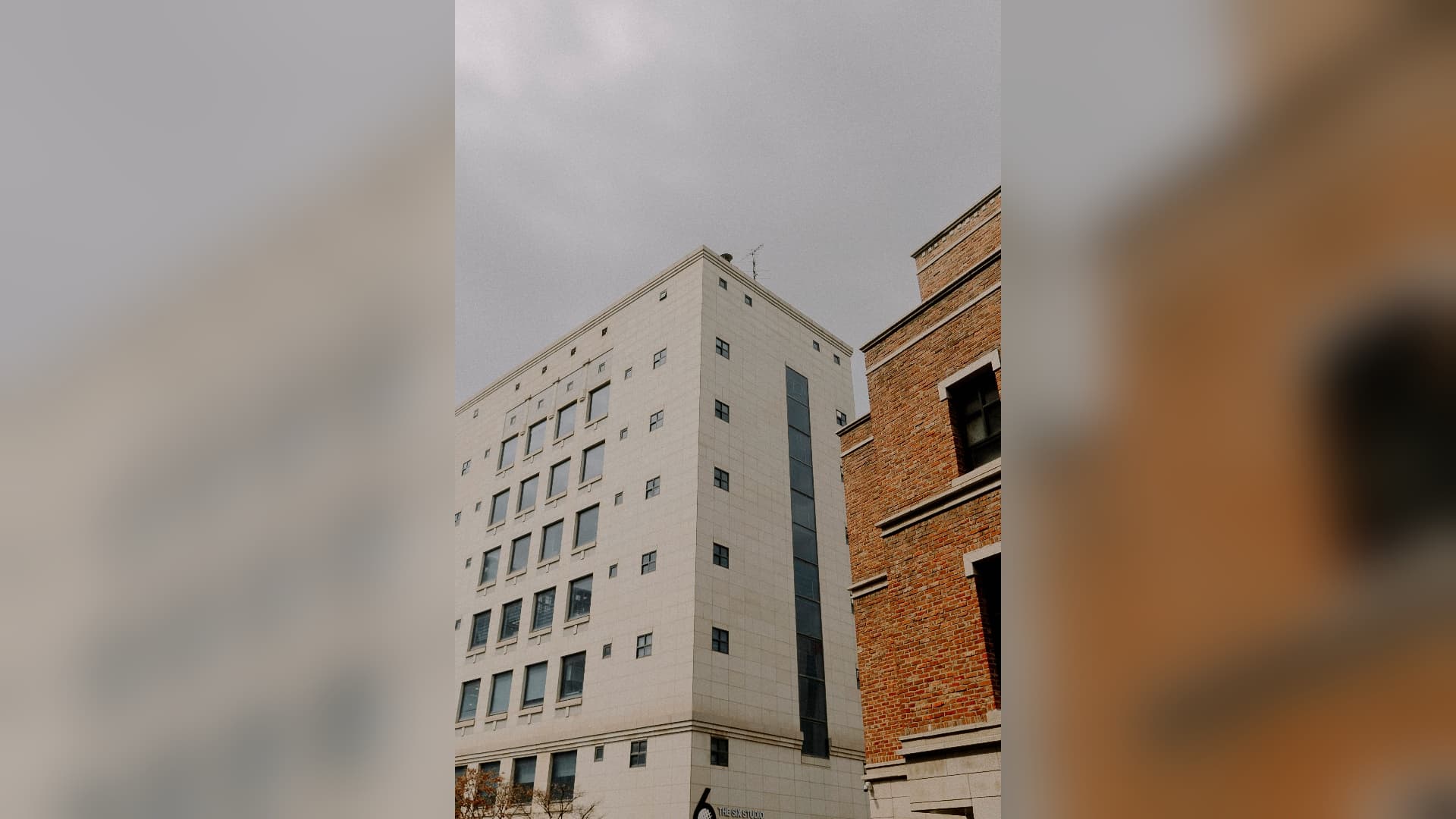
A Seoul office building tied to one of K-pop's older entertainment companies has entered the auction market after repeated failed bids drove its price sharply lower. The property used by PocketDol Studio, a company associated with past acts including Song Ga-in, T-ARA and DIA, is now being watched not only as a real-estate case but as a reminder of how quickly the business behind Korean pop can change.
According to Korean real-estate outlet Ddangkibgo, the building in Seoul's Gangnam area was first listed with an auction price of about 10 billion won, or roughly 10 billion Korean won in local reporting terms. After successive rounds failed to produce a winning bidder, the price reportedly fell to the 6.3 billion won range, a drop large enough to turn an entertainment-industry address into a broader market story.
Why This Auction Is Drawing K-pop Attention
PocketDol Studio is not a newly formed label with a short paper trail. The company is described in the Korean report as one of the longest-running entertainment agencies still operating in the country, and its name carries recognition because of artists who passed through its orbit over the years. For casual international readers, that history matters because Korean entertainment agencies are rarely just management offices. They function as training centers, production hubs, branding companies and, in many cases, the operational home behind an artist's public image.
The best-known names connected to the story are Song Ga-in and T-ARA. Song Ga-in became a major figure in the modern trot boom, while T-ARA remains one of the most recognizable second-generation girl groups for K-pop fans who followed the genre before its current global streaming era. DIA, another girl group named in the Korean coverage, also represents the company's idol-era footprint. The building's auction therefore lands differently from an ordinary office sale: it is attached to a company whose past intersects with several chapters of Korean popular music.
Still, the core news is a business and property matter, not a new development involving the artists themselves. The available reporting does not suggest that Song Ga-in, T-ARA or DIA are directly involved in the auction process. Their relevance is historical: their names explain why a building used by this particular company attracts entertainment coverage in the first place.
The Numbers Behind the Sale
The headline figure is the fall from about 10 billion won to the 6.3 billion won range. In a premium Seoul district, that kind of decline can catch attention even outside entertainment media. Gangnam remains one of South Korea's most recognizable commercial zones, and buildings connected to celebrity agencies often carry additional symbolic value because fans and industry watchers associate those addresses with auditions, practice rooms, meetings and production work.
The Korean report links the auction to financial pressure around the building owner, Saehaneul Building Co., and the use of loans taken out when the property was purchased. The article says the owner was unable to keep up with loan interest, leading the property into auction. It also points to PocketDol Studio's weak business performance as part of the background, citing Financial Supervisory Service disclosure data that showed an operating loss of 6.07 billion won in 2021.
Another detail in the report is especially important for investors: a later audit process reportedly became complicated because PocketDol Studio did not submit financial statements, with the accounting firm declining to issue an audit opinion. That does not, by itself, explain every cause behind the building auction, but it adds context to why the property is being discussed as more than a simple bargain in a strong location.
A lower auction price can make a Gangnam building look attractive on paper. But the report also notes that existing tenants may create uncertainty for bidders. PocketDol Studio and related companies are said to be occupying the building, and their business registration dates reportedly come before the building's key rights cutoff date in November 2022. In practical terms, that means potential bidders may need to consider tenant rights and possible additional costs, not only the visible auction price.
Why a Discount Can Still Carry Risk
The caution expressed by auction specialists centers on the possibility of senior tenant rights and unknown deposits. If a tenant has legally protected standing and did not request distribution through the auction process, a successful bidder could be left to deal with obligations that are not obvious from the headline price. The Korean coverage says the amount of any deposit is unknown, creating a risk that the winning bidder might have to assume additional payment responsibilities after the auction.
That is why a roughly 6.3 billion won price tag does not automatically mean a simple discount. In real estate, the winning bid is only part of the cost. Legal disputes, tenant negotiations, time lost during possession transfer and uncertain deposit claims can all change the economics of a purchase. For an entertainment-company building, those complications can be even more sensitive because the occupant may have business relationships, equipment, staff routines and related companies tied to the same location.
The report quotes an auction expert warning that the difficulty of clearing the building could be very high because of the uncertain tenant position and the apparent close relationship between the building owner and the tenants. Rewritten in plain terms, the message is straightforward: bidders may see a prominent Gangnam address, but they also have to price in the possibility that control of the building will not be easy or immediate.
A Snapshot of a Changing Agency Market
The auction also arrives at a time when the economics of Korean entertainment are uneven. Global attention to K-pop has expanded, but that does not mean every agency benefits equally. Major labels and platform-linked companies can draw on international touring, merchandising, fan community tools and deep capital. Smaller or older firms often face a different reality: the cost of developing talent remains high, but the competition for attention is more intense than ever.
That context helps explain why the building story resonates. For fans, agencies can seem permanent because their past artists remain culturally visible. In business terms, however, entertainment companies are vulnerable to long gaps between profitable acts, expensive development cycles and sudden shifts in public taste. A company associated with famous names can still face financial strain if current revenue does not match its obligations.
PocketDol Studio's legacy includes artists who contributed to different corners of Korean popular culture. T-ARA's catalog remains familiar to second-generation K-pop listeners, while Song Ga-in's rise helped show the renewed commercial power of trot in the television era. Those associations give the company name weight, but the auction coverage underlines a basic industry truth: legacy alone does not protect an agency from the balance sheet.
For international readers, the story is also a useful window into how Korean entertainment companies are physically rooted in Seoul's commercial neighborhoods. Agency buildings are more than addresses on corporate filings. They become part of fan maps, audition dreams and industry memory. When such a building enters auction, it can feel like a visible marker of a private financial process that usually stays behind closed doors.
What Happens Next
The next stage depends on whether bidders are willing to accept the legal and occupancy risks described in the Korean report. A lower reserve price can attract attention, especially in Gangnam, but serious buyers are likely to examine tenant status, deposit exposure and the practical timeline for taking possession before making a move. Until those questions are clearer, the building's reduced price may remain both its biggest draw and its biggest warning sign.
For fans of the artists named in the coverage, the most important distinction is that this is not a report about a new problem involving the artists themselves. It is a story about a company-linked property, a difficult auction process and the pressures that can sit behind the polished front of the entertainment business. The building's history gives the auction cultural interest, but the outcome will be decided by real-estate law, debt structure and bidder appetite.
In that sense, the PocketDol Studio building has become a small but telling business story inside the larger K-pop ecosystem. The genre's public face is built on stages, music videos and fan communities. Behind it are offices, loans, contracts, audits and property decisions. When one of those behind-the-scenes assets moves into auction at a steeply reduced price, it shows how closely entertainment glamour and ordinary financial risk can sit beside each other in Seoul.
How do you feel about this article?
저작권자 © KEnterHub 무단전재 및 재배포 금지
Entertainment Journalist · KEnterHub
Entertainment journalist focused on Korean music, film, and the global K-Wave. Reports on industry trends, celebrity profiles, and the intersection of Korean pop culture and international audiences.
Comments
Please log in to comment