Why Aniplus' Animax Deal Puts Laftel in Play
 By Jang Hojin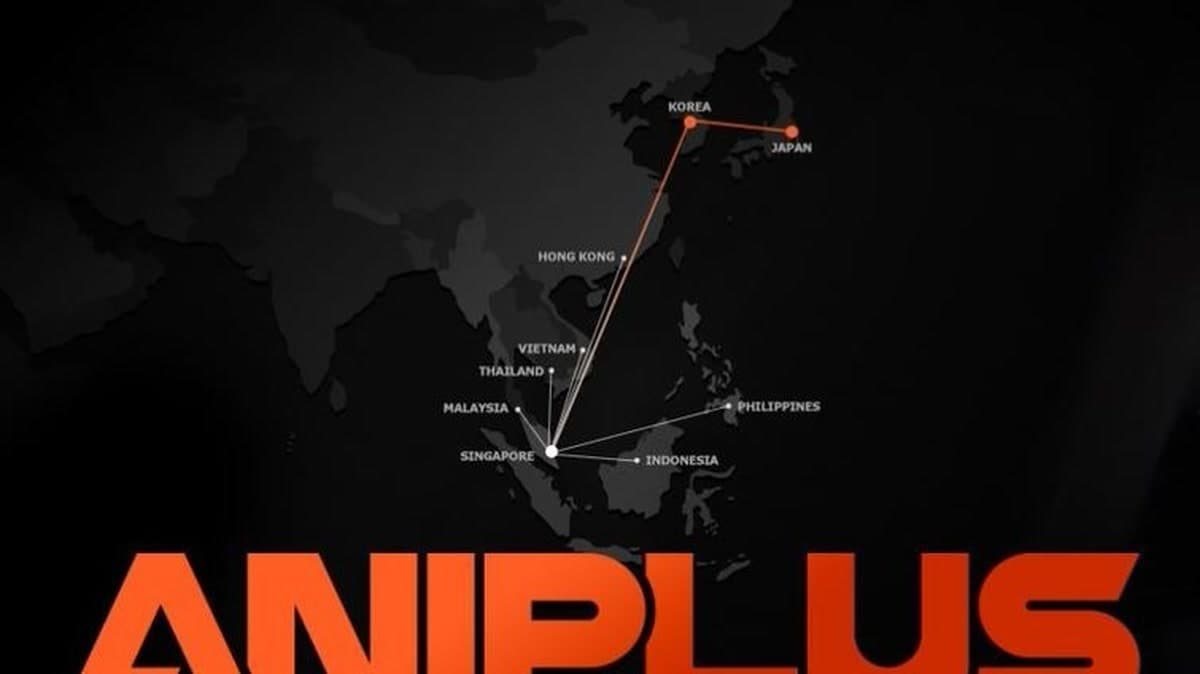
Aniplus is about to make a corporate change that could matter far beyond Korean cable television. On July 1, the company will complete its merger with Animax Broadcasting Korea, bringing a major anime channel asset fully inside its operating structure while keeping both the Aniplus and Animax channel brands alive.
The move sounds technical at first: Aniplus already owns 100 percent of Animax, and the merger is being carried out without issuing new shares. But the timing is more interesting than the legal format. The Korean animation distributor is trying to turn its control of TV channels, theatrical rights, merchandise, streaming, and overseas platform growth into one larger content pipeline. At the center of that plan is Laftel, its anime-focused OTT subsidiary, which has expanded into six Southeast Asian countries and is reported to have reached 300,000 monthly active users in the region.
That is why the story fits the current Google Trends signal around Southeast Asia. This is not only a domestic media consolidation item. It is part of a wider question: can a Korean-run anime and K-webtoon platform compete for Southeast Asian fans who already treat Japanese animation, Korean webtoons, and streaming subscriptions as one connected entertainment habit?
The Animax Merger Tightens Aniplus’ Anime Pipeline
Aniplus announced that it would absorb Animax Broadcasting Korea on July 1, about three years after announcing the acquisition in April 2023. Because Animax is already wholly owned by Aniplus, the merger does not involve new share issuance and was handled as a small-scale merger by board resolution rather than a separate shareholder vote. The company has said the existing Aniplus and Animax broadcast channels will continue after the merger.
That last point matters for viewers and advertisers. Instead of shutting down a channel name, Aniplus is preserving two recognizable anime outlets while integrating management and business operations. The logic is straightforward: reduce duplicated corporate structure, coordinate licensing and distribution, and make it easier to move a popular title from acquisition to broadcast, theatrical release, VOD, streaming, merchandise, and fan events.
The company has already been building that kind of vertical structure. Its business covers Japanese animation rights, domestic broadcasting, film distribution, VOD, merchandise, exhibitions, and platform operations. Related reporting has described Aniplus as a strong buyer and distributor of new Japanese animation titles in Korea, while Laftel gives the group a direct subscription platform aimed at fans who want a deeper anime catalog than general-purpose OTT services usually provide.
In an entertainment market crowded by global streamers, specialization can become a weapon. Netflix, Disney+, and local broad OTT services fight across dramas, films, variety shows, sports, and documentaries. Laftel’s narrower identity gives it a different relationship with fans. It does not need to be everything to everyone. It needs to be the place where anime-first users feel understood.
Laftel’s Southeast Asia Push Is the Real Growth Signal
The most Discover-friendly number in the source is Laftel’s Southeast Asia footprint. The platform has entered six countries in the region and is reported to have 300,000 monthly active users there, ranking second locally after Netflix in its category context. For a Korean anime-specialist platform, that is a meaningful early signal.
Southeast Asia is one of the most important battlegrounds for Asian streaming culture because fan behavior is already cross-border. Audiences move easily between Japanese anime, Korean dramas, Korean webtoons, idol content, mobile games, and short-form fan edits. A platform that can combine anime distribution with K-webtoon-based original animation has a clearer story than a simple channel operator trying to sell reruns abroad.
Aniplus appears to understand that. The company has said it plans to strengthen collaboration with affiliates including Laftel, build a value chain that spans IP rights acquisition, broadcasting, and OTT streaming, and pursue new businesses such as original production, online store expansion, and portal services. Those pieces may sound separate, but they are strongest when connected around fandom.
For example, a hit title can begin as a licensed animation, gain attention through broadcast and streaming, generate theater or event demand, move merchandise through online and offline stores, and then feed data back into future licensing decisions. If Laftel’s Southeast Asian users show strong demand for certain genres, studios, or webtoon adaptations, Aniplus can use that signal when deciding which rights to chase next.
This is also where K-webtoon animation becomes strategically important. Korean webtoons already travel well in Southeast Asia, and animation gives popular IP another form that can be marketed across languages. If Laftel can offer K-webtoon-based originals alongside Japanese anime, it may create a more differentiated regional identity than platforms that simply license the same global titles.
Box Office Hits Give the Strategy Momentum
The merger arrives after a strong run for anime-related revenue in Korea. The source article points to the performance of “Demon Slayer: Kimetsu no Yaiba - Infinity Castle,” whose first chapter drew 517,956 moviegoers on opening day in Korea, crossed one million admissions on its second day, and ended its run with 5.7 million admissions. That total made it the highest-grossing Japanese animated film in Korea by admissions cited in the report. “Attack on Titan: The Final Chapters” also contributed to the broader anime boom.
Those theatrical results are not just box office bragging rights. They show that anime fandom in Korea can still mobilize offline, even in a streaming-heavy era. That matters for Aniplus because its model is not limited to subscriptions. The company can benefit from theatrical distribution, channel programming, VOD windows, merchandise, and fan-facing events around the same IP universe.
Related coverage also shows why Laftel is a valuable piece of the group. In Korea, the service has previously been highlighted as a rare genre-specialized OTT growing while many broader local platforms struggle. One report cited app-based monthly active users passing one million domestically in 2025, while other industry coverage has pointed to Laftel’s ability to remain profitable as it invests overseas. Those details support a larger thesis: anime specialization can still produce loyal traffic when the catalog, community, and pricing match fan expectations.
The Animax merger could make that loop tighter. A more integrated Aniplus can coordinate which titles receive TV pushes, which receive streaming emphasis, which become events, and which are turned into merchandise or community campaigns. In a fan economy, timing is everything. The first week of hype around a title can decide whether it becomes a sustained hit or a short spike.
Why Fans Should Watch the Post-Merger Phase
For ordinary viewers, the immediate change may be subtle because the Aniplus and Animax channels will continue. The bigger changes are likely to appear in title availability, promotional speed, cross-platform bundles, event programming, and the way Laftel positions itself in Southeast Asia. If the merger works, fans may see a more coordinated path from anime broadcast to streaming access, theatrical campaigns, online store drops, and original animation announcements.
There are risks. Southeast Asia is competitive, price-sensitive, and fragmented by language, payment habits, piracy, and mobile-first consumption. A 300,000-MAU base is promising, but it is still an early platform signal rather than proof of regional dominance. Aniplus will need localization, consistent catalog strength, and originals that feel worth paying for. It will also need to avoid treating Southeast Asia as one market when Indonesia, Thailand, Vietnam, Malaysia, Singapore, and the Philippines each have different viewing cultures.
Still, the direction is clear. Aniplus is no longer just a Korean anime broadcaster with a collection of assets. With Animax folded in and Laftel expanding abroad, it is trying to become a fandom infrastructure company: licensing the IP, distributing it, streaming it, selling around it, and testing originals that can travel.
That makes the July 1 merger more than a back-office event. It is a signal that Korean entertainment companies are looking at Southeast Asia not only as a market for K-pop and K-dramas, but also as a growth zone for anime, webtoon animation, and specialized fan platforms. If Laftel can turn its early regional traction into paid loyalty, Aniplus may have one of Korea’s more interesting cross-border content plays.
How do you feel about this article?
저작권자 © KEnterHub 무단전재 및 재배포 금지
Entertainment Journalist · KEnterHub
Entertainment journalist specializing in K-Pop, K-Drama, and Korean celebrity news. Covers artist comebacks, drama premieres, award shows, and fan culture with in-depth reporting and analysis.
Comments
Please log in to comment