Why BIGBANG’s 20th Anniversary Tour Matters Now
The Goyang launch turns nostalgia into a live-market test for second-generation K-pop.
 By Jang Hojin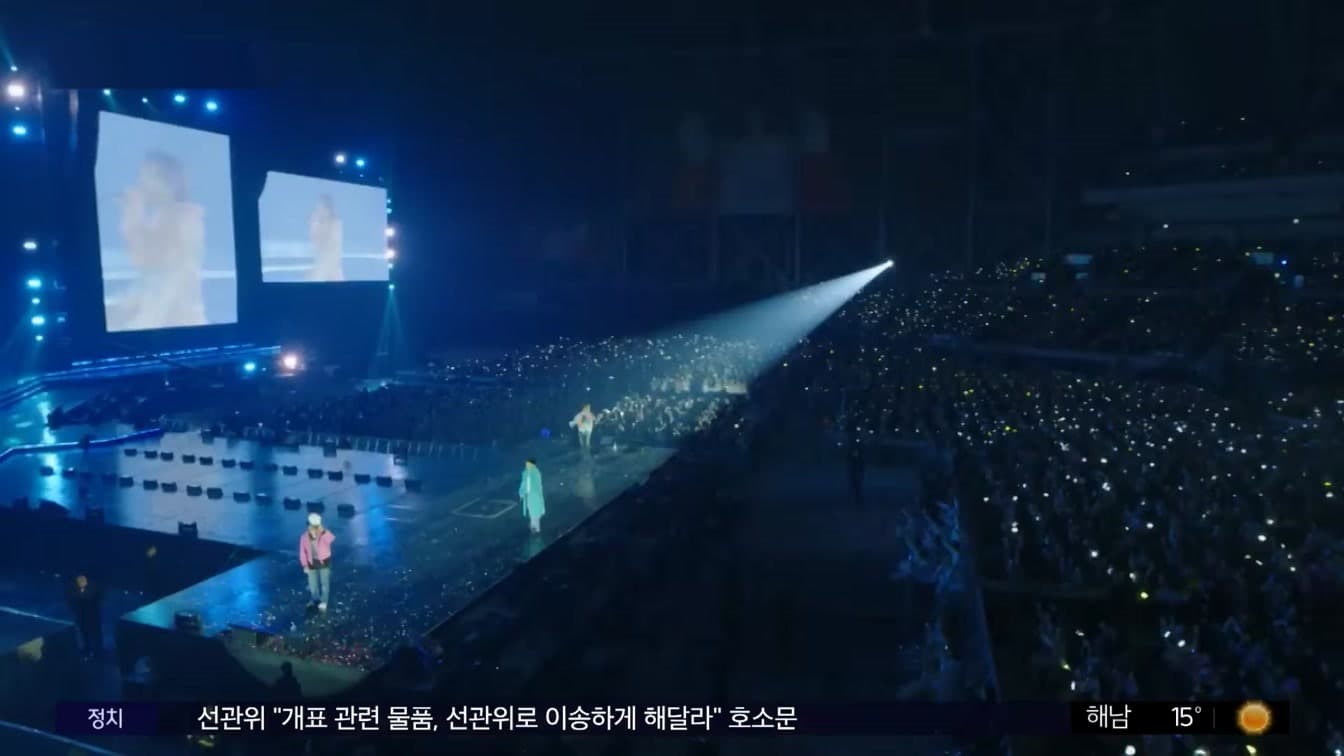
BIGBANG is turning its 20th anniversary into a stadium-market stress test. The group will open BIGBANG 2026 WORLD TOUR IN GOYANG at Goyang Stadium from August 21 to 23, with fan-club presales beginning June 24 and general sales following June 25.
The facts are simple, but their meaning is larger: this is the first world tour under the BIGBANG name in about nine years, and Korean reports consistently describe a schedule of 31 performances across 18 cities. This article analyzes how BIGBANG is using a comeback tour to test whether second-generation K-pop legacy can still function as a premium global live product in an era dominated by younger touring acts, membership-driven ticketing, and stadium-scale spectacle.
The Goyang launch matters because it is not being framed as a one-off nostalgia event. By placing South Korea first and then expanding to North America, Europe, Oceania, and Asia, YG Entertainment is positioning the anniversary as both a homecoming and a global relaunch. That dual purpose gives the tour its commercial tension.
A Legacy Return Built For The Stadium Era
BIGBANG debuted in 2006 under YG Entertainment and helped define the template for idol groups that could feel self-authored, fashion-forward, and musically volatile. The group's biggest songs became festival staples because they carried both chant-ready hooks and individual character. That history explains the demand, but it does not automatically solve the modern touring equation.
What has changed is the live market around them. K-pop touring is now less of a promotional afterthought and more of a central business line, especially as physical album growth has become less predictable across the industry. Stadiums reward artists who can mobilize concentrated fandoms, sell premium experiences, and create an event that feels scarce enough to justify travel.
That is why the opening choice is important. Goyang gives BIGBANG a domestic launch with scale, symbolism, and logistical clarity before the tour moves outward. It also lets the group reintroduce itself on Korean ground first, rather than letting the comeback be defined only by overseas demand. For a legacy act, sequencing is strategy.
But history alone cannot carry a 31-show plan.
The Numbers Show A Carefully Limited Global Bet
The confirmed structure points to ambition, but also restraint. A 31-performance tour across 18 cities is large enough to signal international confidence, yet compact enough to avoid turning the anniversary into a marathon. The three-night Goyang opening adds weight at home before the route moves through major stadium and dome markets, including venues named in Korean reports such as MetLife Stadium, Stade de France, Tottenham Hotspur Stadium, Kaohsiung National Stadium, and Tokyo Dome.
Those numbers matter because they show a different logic from the group's previous peak touring cycle. BIGBANG's 2015-16 MADE World Tour was widely reported as a much broader run, with around 1.5 million attendees across multiple countries. The 2026 plan does not appear designed to simply recreate that footprint. It looks more selective, more anniversary-branded, and more dependent on high-impact venues.
The result is a cleaner proposition: fewer cities than a sprawling arena campaign, but enough geography to declare global relevance. That is a meaningful choice in 2026, when K-pop fans face a crowded concert calendar and agencies must compete not only for attention, but also for travel budgets, membership fees, and repeat ticket purchases.
The chart also shows why the tour can be analyzed as a business signal rather than only a fan celebration. The largest number is the performance count, not the anniversary itself. In other words, YG is asking the market to treat BIGBANG not merely as memory, but as an active touring asset.
Why Presales And Memberships Are Part Of The Story
The presale system reinforces that point. Korean reports state that the June 24 presale is limited to BIGBANG V.I.P MEMBERSHIP holders who complete ticketing authentication, with domestic tickets sold through Coupang Play's mobile app and global tickets through NOL World. General sales follow a day later.
That structure is not just administrative detail. It turns fandom identity into purchasing access, and it gives the promoter an early read on demand quality before the wider public arrives. For a group returning after a long gap, that first data point matters. A strong membership presale would suggest that older fandom infrastructure remains commercially alive, while a softer response would expose the limits of nostalgia in a changed market.
There is also a generational story underneath it. Second-generation K-pop fandom was built before today's platform stack became normal: paid communities, app-based authentication, global ticket queues, and region-specific sales windows. BIGBANG's audience now has to move through the same machinery as newer fandoms. The comeback therefore becomes a test of adaptation, not just loyalty.
Still, the emotional layer is what gives the machinery power.
Impact, Reactions, And The Coachella Bridge
The renewed attention follows BIGBANG's recent appearance at the 2026 Coachella Valley Music and Arts Festival, which reintroduced the group to a broader festival audience before the tour rollout. That timing is useful. A festival set can create spectacle and conversation, but a world tour asks a harder question: will audiences buy into a full cycle, city by city?
Early Korean coverage emphasizes anticipation, scale, and the symbolism of returning under the BIGBANG name. The repeated focus on a nine-year gap is telling because it frames the tour as a rare event rather than a routine schedule. Scarcity is a powerful asset, especially when an act has enough recognizable songs to make casual fans feel included.
For international fans, the venue list carries another message. MetLife, Stade de France, Tottenham Hotspur Stadium, Kaohsiung National Stadium, and Tokyo Dome are not neutral names; they are shorthand for top-tier live ambition. Even before full sales data arrives, the route tells fans and competitors that BIGBANG wants to re-enter the conversation at the upper end of K-pop touring.
The risk is equally clear. A legacy act must satisfy fans who remember the group's peak while persuading newer listeners that the live show is not a museum piece. That tension could be productive if the setlist balances hits, rearrangements, solo identities, and the collective identity that made BIGBANG feel different in the first place.
What Comes Next
The immediate signal will come from the June 24 fan-club presale and June 25 general sale. Fast movement in Goyang would validate the home-market launch and give overseas dates a stronger narrative. Slower movement would not end the story, but it would make pricing, venue configuration, and added content more important.
Longer term, the tour's importance will be measured by whether BIGBANG can convert anniversary sentiment into repeatable global demand. If it works, the 2026 run could become a model for how veteran K-pop groups return without shrinking their ambition. If it struggles, it will show how unforgiving the stadium era has become. Either outcome matters, because this is no ordinary comeback. It is a referendum on K-pop memory as live-market power.
How do you feel about this article?
저작권자 © KEnterHub 무단전재 및 재배포 금지
Entertainment Journalist · KEnterHub
Entertainment journalist specializing in K-Pop, K-Drama, and Korean celebrity news. Covers artist comebacks, drama premieres, award shows, and fan culture with in-depth reporting and analysis.
Comments
Please log in to comment