Why “Blazing Baseball 2” Is Becoming Korea’s Live Variety Test
The show’s 205,000-viewer peak shows how baseball nostalgia, YouTube premieres and stadium games now work together.
 By Jang Hojin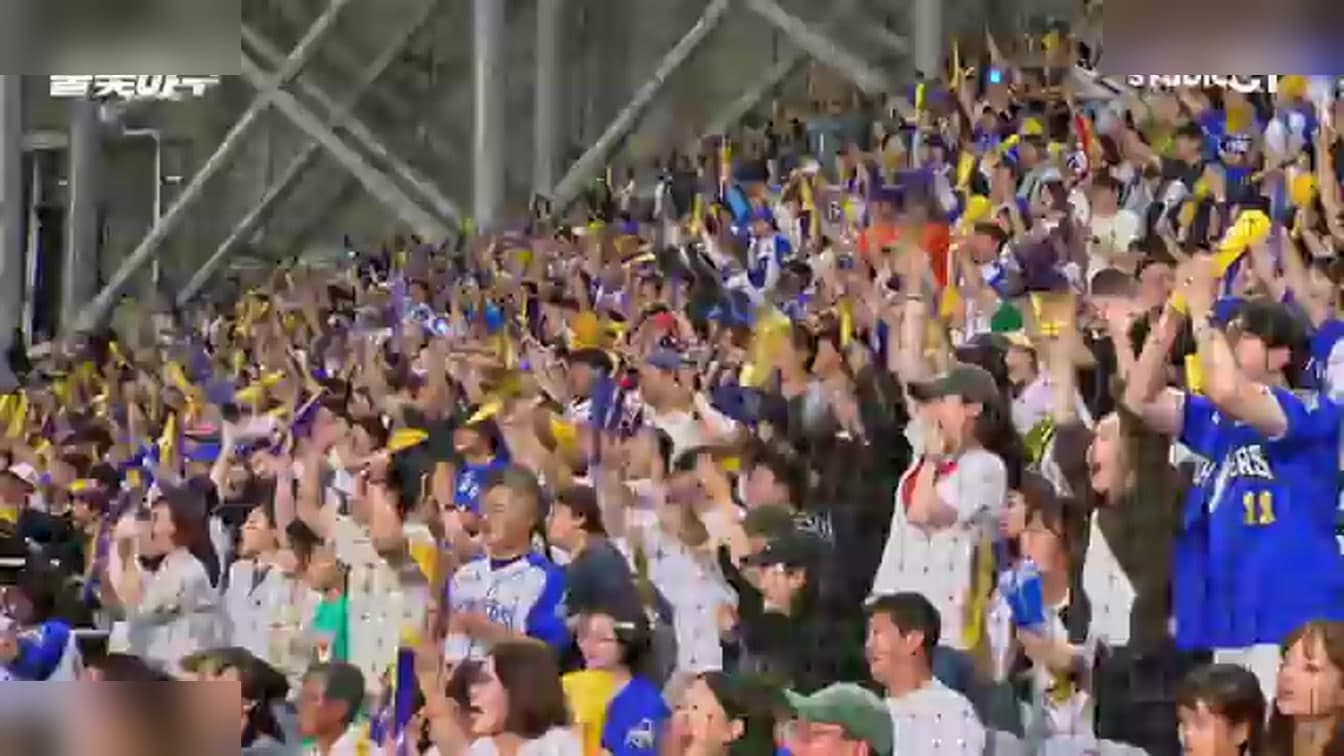
“Blazing Baseball 2” crossed 205,000 peak concurrent viewers with its third episode on May 18, 2026, turning a YouTube-first sports variety show into one of the clearest tests of Korea’s live fandom economy. The episode passed 100,000 real-time viewers within 15 minutes and set a second consecutive high for the season, following a second episode that had already climbed to about 200,000. This article analyzes why that matters: the program is showing how retired stars, amateur challengers and live-chat urgency can make unscripted sports entertainment behave less like television reruns and more like a weekly event market.
The angle is not simply that many people watched. It is that “Blazing Baseball 2” is converting baseball nostalgia into appointment viewing at digital speed, then using in-person games to make that attention physically real. In a Korean entertainment landscape where variety programs often fight for clips rather than full-episode commitment, that is a meaningful shift.
From Baseball Variety to Event Platform
The program’s appeal starts with a familiar Korean television formula: former professional athletes return to competition, face hungry younger opponents and reveal personality through pressure. But the second season’s distribution model changes the stakes. Released through Studio C1’s official YouTube channel, the episodes are not merely consumed after broadcast. They arrive as communal premieres, with fans watching the same game, reacting to the same swings and debating the same lineup choices in real time.
That matters because baseball already has a strong rhythm of waiting, arguing and remembering. A variety show can borrow that rhythm more naturally than most entertainment formats. When Kim Sung-keun adjusts a batting order, when Lee Dae-eun takes the mound, or when Lee Dae-ho comes up with runners on base, the show is not asking viewers to admire celebrity behavior from a distance. It is asking them to think like fans again.
Still, nostalgia alone would be too thin. The stronger engine is uncertainty. The third episode paired veteran names with college rookies and independent-league opposition, including Yeoncheon Miracle. That mix creates stakes without pretending to be the KBO. Viewers can enjoy the old aura of famous players while still wondering whether age, rhythm and pride will hold up against younger legs.
The Audience Curve Is the Story
The numbers show a rapid acceleration. Episode 1 reportedly reached a peak of 157,000 concurrent viewers. Episode 2 passed 100,000 concurrent viewers about 14 minutes after release and peaked around 200,000. Episode 3 then passed 100,000 within 15 minutes and reached 205,000 at its high point. The gains are not enormous from episode 2 to episode 3, but that is exactly why they are interesting. The show did not spike once and collapse. It stabilized at a very high live-viewing level.
So what does that curve mean? It suggests that the audience is not only sampling the comeback season. It is forming a habit. The 100,000-viewer threshold within the first quarter-hour is especially important because it measures intent, not passive algorithmic discovery. People had to know when the episode would drop, arrive quickly and stay invested enough to lift the peak higher.
For platforms, that kind of behavior is valuable because it creates predictable attention. For producers, it gives leverage: a show that can summon 200,000 people at once can sell sponsorship, tickets and spin-off content differently from a show that merely accumulates delayed views. For Korean sports entertainment, it also proves that baseball content can travel outside the formal league calendar while still borrowing the emotional habits of live sport.
Why the Game Itself Still Has to Work
Live numbers can bring attention, but only the baseball can hold it. Episode 3 understood that. The game opened with Lee Dae-eun taking the starter’s responsibility, retiring the first inning cleanly with two strikeouts, then facing real damage when Yeoncheon Miracle’s Kwon Do-hwi hit a two-run homer in the second. That is the correct dramatic shape: competence first, vulnerability next, then the need for recovery.
The batting side added another useful beat. The Fighters created an early chance with Park Yong-taek and Choi Soo-hyun reaching base, only to lose momentum through strikeouts. Later, in the fifth inning, Lee Dae-ho drove a two-run double off the fence to tie the game. It was a classic variety-sports payoff because the moment worked both as baseball and as character drama. The veteran did not simply appear. He delivered at the exact point the episode needed release.
But the smartest part is that the show did not erase struggle. The opposing pitcher, Japanese right-hander Togashi Koki, was framed as a legitimate obstacle, and the rookie additions were treated as pressure points rather than decorative youth. That balance prevents the program from becoming a soft reunion. Viewers are not watching legends take ceremonial swings. They are watching a team try to justify its own mythology.
Fans, Tickets and the Return of Physical Stakes
The digital audience is only half the model. “Blazing Baseball 2” keeps pointing viewers toward in-person games, including a May 24 Gocheok Sky Dome matchup with Dankook University tied to Oh Seung-hwan’s expected appearance and a May 30 game at Incheon SSG Landers Field against Inha University. Those dates matter because they turn screen interest into ticket demand, stadium atmosphere and local fan ritual.
Oh Seung-hwan’s announced arrival is particularly effective casting. He is not just another retired name; he carries the symbolic weight of a legendary closer. In entertainment terms, that gives the next arc a clean question: what happens when a player whose image is built around finality enters a format built around second chances? That is a strong hook because it has both baseball credibility and narrative clarity.
The show’s real product is not nostalgia. It is the feeling that a retired baseball story can still change inning by inning.
Fan reaction has followed the same logic. The online response around the third episode emphasized tension, lineup debate and the pleasure of seeing older stars compete seriously. Those reactions are not shallow engagement. They are signs of a fandom behaving like a sports crowd, with opinions, rituals and emotional investment.
What Comes Next
The outlook depends on whether the season can keep raising stakes without exhausting its own premise. Bigger names help, but they cannot replace meaningful games. The program needs credible opponents, visible roster consequences and enough tactical tension to make each premiere feel necessary. If it gets those pieces right, the 205,000-viewer peak may become less a ceiling than a baseline.
For the wider Korean variety industry, the lesson is clear. Sports reality does not need to choose between YouTube immediacy and television-style storytelling. “Blazing Baseball 2” is showing that the two can reinforce each other when the format gives fans a reason to arrive together. Its next challenge is simple and difficult: keep making the audience feel that missing Monday night means missing the game.
How do you feel about this article?
저작권자 © KEnterHub 무단전재 및 재배포 금지
Entertainment Journalist · KEnterHub
Entertainment journalist specializing in K-Pop, K-Drama, and Korean celebrity news. Covers artist comebacks, drama premieres, award shows, and fan culture with in-depth reporting and analysis.
Comments
Please log in to comment