Why BTS's Busan Anniversary Stage Hit So Hard
 By Jang Hojin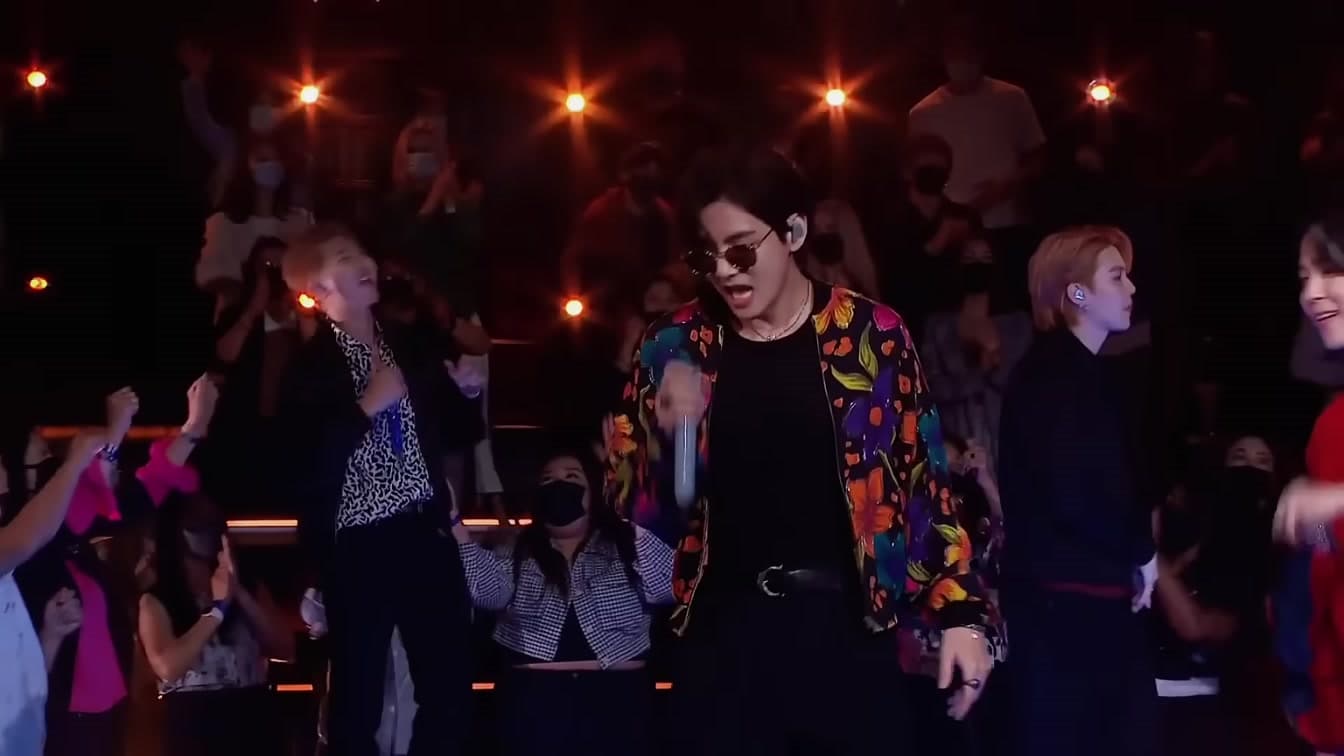
BTS turned June 13 into more than an anniversary date, using the second night of their Busan concert to frame a full-group homecoming around the city that shaped two of its members. At Busan Asiad Main Stadium, the group marked its 13th debut anniversary with a performance that carried unusual emotional weight for ARMYs, especially as Jimin and Jungkook returned to their hometown stage.
The concert, part of BTS WORLD TOUR 'ARIRANG' IN BUSAN, took place across June 12 and 13, with Korean reports estimating a combined audience of around 110,000 people over the two nights. The timing made the second show stand out: BTS debuted on June 13, 2013, and the group spent its 13th anniversary not in a studio or at a formal ceremony, but in front of fans in Busan.
A Homecoming Built Around June 13
For many global fans, the headline was simple but powerful: BTS celebrated a milestone birthday as a complete group in Korea, in a city already tied to some of the group's biggest memories. The Busan concert marked the group's first full-group performance in the city in roughly three years and eight months, following the October 2022 Yet to Come in BUSAN concert connected to the city's World Expo bid.
That earlier Busan event has remained a key reference point for fans because it came before the members' military era reshaped BTS activity. Returning to the same city for the ARIRANG tour gave the new show the feeling of a circle closing and opening at the same time: a reunion with the local crowd, a restart of large-scale touring energy, and an anniversary celebration folded into one night.
The concert opened with a forceful sequence of “Hooligan,” “Aliens,” and “Run BTS,” according to Korean outlets covering the scene. That order mattered because it avoided easing the audience in slowly. Instead, BTS began with high-impact performance numbers before moving into the emotional greetings that turned the evening into a shared anniversary moment.
Busan itself became part of the performance language. Reports described the members calling for noise from the city, drawing chants and cheers before the hometown members addressed the stadium. For English-speaking readers less familiar with Korean geography, Busan is South Korea's major southeastern port city, known for its beaches, film festival, and distinct regional identity. For BTS fans, it is also the hometown of Jimin and Jungkook.
Jimin And Jungkook Made The Moment Personal
Jungkook leaned into that local connection first. Korean reports said he greeted the crowd in Busan dialect, a small choice that carried a large emotional charge because it sounded less like a scripted concert line and more like a son of the city speaking to people who understood the nuance immediately.
Jimin then added a more reflective note, telling fans that performing, singing, and dancing in the place where he was born on such a meaningful day made him happy. The point was not just that BTS had returned to Busan. It was that the group had chosen to spend its anniversary in a setting where personal biography, fandom history, and tour spectacle overlapped.
Jimin said in Korean that being able to meet fans, sing, and dance in his hometown on such a meaningful day made him happy, according to local concert reports.
For fans watching from abroad, that context explains why the greeting spread quickly across Korean entertainment coverage. A normal tour stop can still be exciting, but this one had several emotional triggers working at once: the group anniversary, the hometown setting for two members, the long gap since the last Busan full-group stage, and the visible effort to make the crowd part of the celebration.
Jungkook's dialect greeting also gave the night an instantly shareable phrase. Regional dialect can be difficult to translate cleanly, but its effect is easy to understand: it softened the scale of a stadium concert and made the exchange feel intimate. In a venue filled with tens of thousands, a familiar local expression became a shortcut to warmth.
The Other Members Turned The Show Into A Fan Celebration
The rest of BTS built on that mood by directing the anniversary back toward ARMY. V recalled that the group had good memories in Busan, including previous performances in 2019 and 2022, and promised to create another happy memory with fans. Suga framed the day as the group's 13th birthday and expressed hope that fans would feel as happy as the members did.
Jin pushed the audience to respond with more energy than the previous night, while j-hope encouraged fans to jump, sing, and dance more loudly because the day was so meaningful. RM gave the moment its larger frame, pointing to June 13 as a date that would not return in the same way and asking the crowd to make it unforgettable.
Those comments show why the Busan coverage resonated beyond a setlist update. The members were not simply introducing the next songs. They were narrating the meaning of the night in real time, turning a concert opening into a collective anniversary ritual.
The 13-year number also has special weight in K-pop because few groups reach that point while still commanding global stadium-level attention. BTS's anniversary was not presented as a museum-piece celebration of past success. It unfolded inside a running world tour, with the members still asking the crowd to move, sing, and meet the next stage with energy.
Why This Busan Stop Matters Beyond One Night
Korean reports identified the Busan concerts as part of a large-scale world tour scheduled across 34 cities and 86 performances. Within that larger itinerary, the Busan stop stood apart as a symbolic anchor: a domestic concert, a hometown return, and an anniversary event rolled into the first stage of a broader global run.
The numbers help explain the scale. Around 110,000 fans were reported across the two nights, placing the Busan stop among the kind of major live events that ripple through the host city. For a group with a global fanbase, a Korean stadium date also carries meaning for international fans who follow not only the performance but the local atmosphere around it.
There was also a small operational footnote. One Korean report noted that the first night started about 75 minutes late, while the second began later than scheduled by roughly 23 minutes. Yet the coverage of the anniversary show focused far more on the emotional payoff once the performance began, especially the opening run and the members' direct comments to fans.
That emphasis makes sense. Concert delays can frustrate fans, but the story that traveled from Busan was about what BTS did with the occasion once they were onstage. The members linked the show to the city, to the group's debut date, and to the people in front of them who had waited years for another full-group Busan concert.
For newer international readers, the name ARIRANG also deserves a note. Arirang is one of Korea's most widely recognized traditional folk songs and a cultural symbol associated with longing, endurance, and shared memory. Using that title for a BTS world tour gives the concerts a Korean cultural frame even as the audience remains global.
What Fans Take From The Anniversary Stage
The emotional center of the Busan reports was not a surprise guest or a controversy. It was the feeling of a group returning to a place loaded with memory and choosing to make the fans part of the anniversary rather than simply asking them to watch it. That is the kind of story that tends to travel well on Discover because it is easy to grasp even without deep fandom knowledge.
Jimin's hometown reflection gave the night its heart, Jungkook's Busan dialect gave it a local signature, and RM's reminder about an unrepeatable June 13 gave it a closing theme. Together, those details made the concert feel less like another tour stop and more like a timestamp in BTS's long-running relationship with ARMY.
As the ARIRANG tour continues, the Busan anniversary show is likely to become one of the reference points fans return to when they describe this era. It combined spectacle, hometown pride, fan gratitude, and a clear milestone in the group's history. For a band already defined by scale, the strongest part of the night may have been how personal it still managed to feel.
How do you feel about this article?
저작권자 © KEnterHub 무단전재 및 재배포 금지
Entertainment Journalist · KEnterHub
Entertainment journalist specializing in K-Pop, K-Drama, and Korean celebrity news. Covers artist comebacks, drama premieres, award shows, and fan culture with in-depth reporting and analysis.
Comments
Please log in to comment