Why BTS's Sold-Out Chile Shows Are Now Uncertain
 By Jang Hojin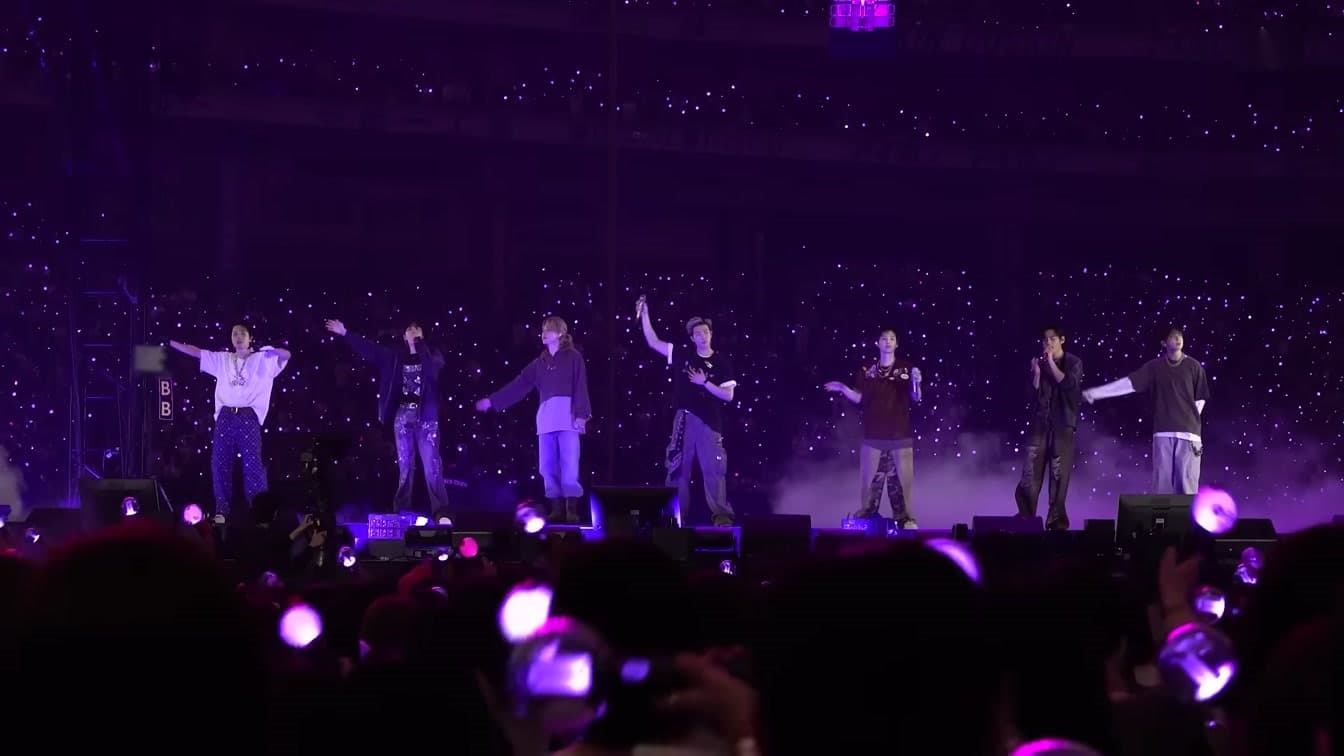
BTS's sold-out Chile concerts have been thrown into uncertainty after the planned use of Santiago's Estadio Nacional was denied, leaving fans waiting for a final venue or staging solution less than four months before showtime. The issue is significant because the three October dates are part of the group's massive Arirang world tour and were expected to mark BTS's first concerts in Chile since 2017.
According to The Korea Herald, the concerts are scheduled for October 14, 16, and 17, with promoter DG Medios organizing the shows. Tickets for all three performances reportedly sold out after going on sale in April, and each concert was expected to bring in more than 48,000 fans.
The problem is not demand. It is the stadium field. Chile's National Sports Institute declined to authorize use of the central pitch after reviewing the technical impact of BTS's planned 360-degree stage setup, creating a logistical standoff between a sold-out pop event and the stadium's sports calendar.
Why the Stadium Decision Matters
Estadio Nacional in Santiago is one of Chile's most important large venues, and it was positioned as the natural home for concerts of this scale. BTS's tour production, however, is built around a center-stage format that requires extensive installation, coverage of the field, and later dismantling.
Chilean officials said the decision was based on technical and continuity concerns linked to the hybrid natural grass pitch. The stage plan would have required the field to remain covered for a prolonged period, and officials were concerned that the surface would not have enough recovery time before other scheduled events.
One of those events is a Chile men's national soccer team match in November, which places the BTS concerts inside a wider conversation about how multipurpose stadiums balance global entertainment demand with national sports obligations. For fans, though, the question is simpler: whether the concerts they already bought tickets for will happen as planned.
Sports Minister Natalia Duco stressed that the decision does not automatically mean cancellation. She said the dates had not been formally confirmed through the usual official decrees and indicated that the concerts could still proceed if the production design changes enough to protect the pitch and avoid disrupting the stadium schedule.
Sold-Out Demand Raises the Stakes
The uncertainty is especially intense because the Chile shows are already sold out. A three-night run with more than 48,000 expected attendees per night would place the total audience above 144,000 if the concerts go forward at the originally expected scale.
For South American ARMYs, the dates carry emotional weight. BTS last performed in Chile during the Wings tour in March 2017, meaning the October concerts would end a gap of more than nine years. That long wait helps explain why any possibility of relocation, redesign, or delay has become a major concern online.
The promoter had not announced detailed guidance on relocation, reformatting, rescheduling, or ticket handling at the time of the reports. Hybe told The Korea Herald that it was looking into the matter and would respond later, leaving fans in a holding pattern while officials and organizers examine alternatives.
Chile's Interior Minister Claudio Alvarado said officials had offered alternative locations within the same stadium complex radius so the concerts could be explored without affecting the central field. That point suggests the government side is not rejecting the BTS events outright, but rather trying to move the production away from the specific surface at risk.
The Tour Is Already Operating at Record Scale
The Chile issue lands in the middle of a tour that has already produced large numbers across multiple markets. BTS began the Arirang world tour in April with three shows in Goyang, just northwest of Seoul, before moving through major cities including Tokyo, Tampa, El Paso, Mexico City, Stanford, Las Vegas, Busan, and Madrid.
Yonhap reported that the tour is scheduled to run through March next year, spanning 86 shows in 34 cities. That scale makes the tour one of the most ambitious K-pop road operations ever staged and raises the complexity of every venue decision.
The group's North American leg alone drew roughly 840,000 fans across 15 shows, according to earlier tour coverage. In Mexico City, BTS drew 150,000 concertgoers inside the venue across three concerts, with local authorities estimating that about 35,000 additional fans gathered around the area outside the stadium on the second and third days.
The Mexico City run also showed the tour's economic impact. Local business data cited in Korean coverage estimated approximately $108 million in total economic activity tied to the concerts, including travel, lodging, food and beverage spending, ticket purchases, and local commerce. Those numbers explain why host cities compete for K-pop stadium events, but they also show why infrastructure decisions become complicated when audiences are this large.
How the Busan Shows Framed BTS's Comeback Era
The world tour has also carried symbolic meaning for Korean fans. BTS's June Busan shows brought the group back to Busan Asiad Main Stadium for the first time since the 2022 Yet to Come in Busan concert, which was connected to the city's bid to host the 2030 World Expo.
Those Busan concerts were expected to draw a combined audience of around 110,000, and the second night coincided with BTS's 13th debut anniversary. The June 13 concert was also broadcast through live viewing in about 3,800 movie theaters across more than 80 countries, extending the event beyond the physical stadium.
BigHit Music also rolled out a citywide cultural project around the Busan dates, with BTS-themed programming across the city through June 21. The program included lighting displays and fan-centered events, showing how the tour has become more than a sequence of concerts; in several cities, it has operated like a temporary cultural festival.
That context is important for Chile. Fans are not only waiting for a performance date. They are waiting for a full-scale BTS arrival that could bring tourism, local gatherings, and a sense of participation in the group's post-hiatus global chapter.
What Could Happen Next
The most immediate path appears to be a technical compromise. If BTS's production team can modify the 360-degree stage design or shift the footprint away from the central field, Chilean officials have suggested the concerts may still be possible without damaging the stadium's sports schedule.
A venue change is another possibility, especially since officials mentioned nearby alternatives. That solution would preserve the dates but could create new questions about capacity, sightlines, transport, and ticket categories. For a three-night run that already sold out, even small capacity differences can affect thousands of fans.
Rescheduling would likely be the most disruptive option because the Arirang tour is moving across 34 cities, and large stadium productions have limited flexibility once freight, crew, local permits, and artist schedules are locked. That is why fans are watching for practical details rather than broad assurances.
For now, the concerts remain uncertain rather than canceled. The distinction matters. Officials have framed the issue as a technical dispute over field protection, not as an objection to BTS performing in Chile, and Hybe has said it is reviewing the matter. Until the promoter issues definitive instructions, ticket holders are left waiting for the answer that matters most: where, and in what form, BTS's long-awaited Chile return will take place.
How do you feel about this article?
저작권자 © KEnterHub 무단전재 및 재배포 금지
Entertainment Journalist · KEnterHub
Entertainment journalist specializing in K-Pop, K-Drama, and Korean celebrity news. Covers artist comebacks, drama premieres, award shows, and fan culture with in-depth reporting and analysis.
Comments
Please log in to comment