Why Foreign Tourists Are Flocking to Korean Hair Salons — And It’s Not Just About the Price
From K-drama-inspired styles to luxury head spas, beauty travel is reshaping Seoul tourism
 By Park Chulwon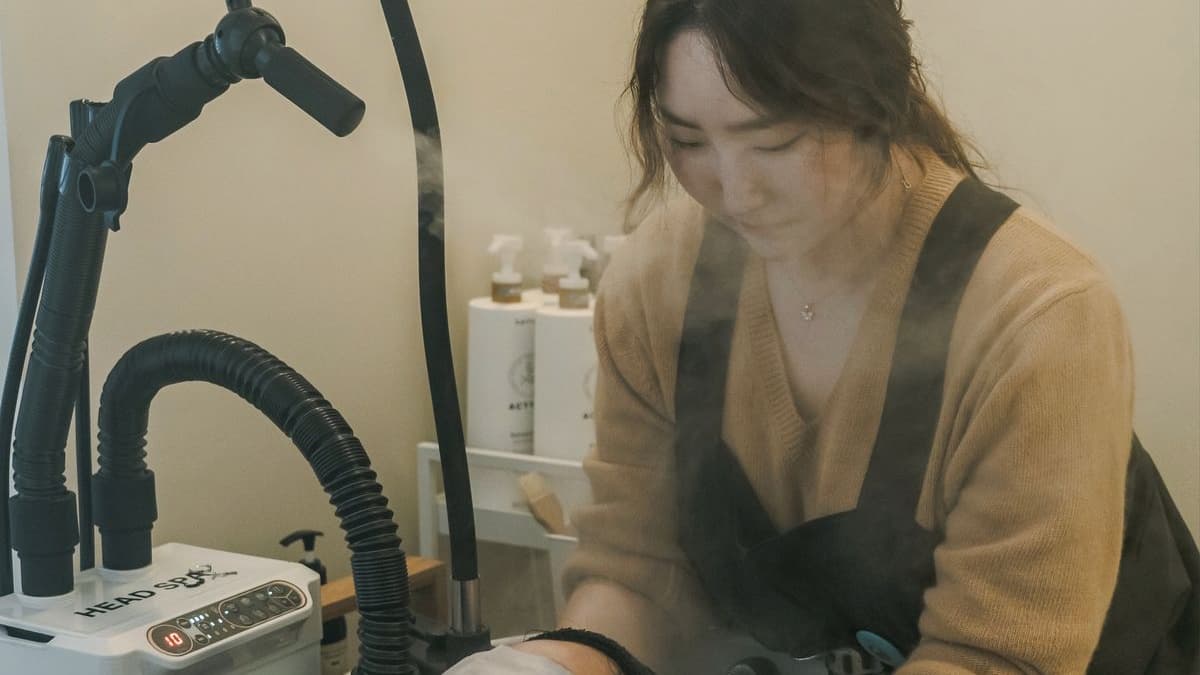
Something unexpected is happening in the narrow alleyways of Hongdae and the upscale boulevards of Gangnam. Between the BBQ restaurants and K-pop merchandise shops, a new kind of queue has formed — and it leads straight to Korean hair salons. Foreign tourists, armed with screenshots of their favorite K-drama characters, are lining up for cuts, colors, and the increasingly viral Korean head spa experience. What was once a quiet local industry has become one of Seoul’s hottest tourism draws.
According to a 2025 survey conducted by the Seoul Metropolitan Government, a staggering 18.3 percent of foreign tourists reported experiencing some form of beauty travel during their visit to the capital. Even more telling is the shift in travel motivation itself: the percentage of visitors who cited beauty services as a primary purpose for their trip surged from 4.4 percent to 10.7 percent year-over-year, marking one of the fastest-growing segments in Korean inbound tourism.
The K-Drama Effect: How Television Sparked a Hair Revolution
The roots of this phenomenon trace directly back to the global explosion of Korean entertainment. K-dramas like tvN’s Perfect Glow have spotlighted Korean beauty culture in ways that traditional advertising never could. When international viewers watch their favorite actors sport immaculately styled hair — whether it’s the effortless waves of a romantic lead or the precision-cut bob of a power character — they don’t just admire from afar anymore. They book flights.
"I came to Korea specifically because I wanted the same hairstyle as the lead in my favorite drama," shared one tourist from Mumbai who visited a Gangnam salon during her March trip. "Back home, I showed pictures to my stylist, but they could not replicate it. Here, the stylist understood exactly what I wanted within seconds."
This sentiment echoes across nationalities. Korean stylists have built a reputation not just for technical excellence, but for an almost intuitive understanding of Asian hair textures and the specific aesthetic language of K-beauty. The result is a level of precision that tourists say they simply cannot find in their home countries. K-pop idols and drama stars have become de facto hair trend ambassadors, with fans worldwide tracking every new style debut and rushing to recreate it.
Premium Quality at a Fraction of the Price
Beyond the aesthetic appeal, there’s a compelling economic argument driving the trend. A full hair treatment at a mid-to-high-end Korean salon — including cut, color, and styling — typically costs between 150,000 to 300,000 Korean won (approximately 110 to 220 USD). In major Western cities like New York, London, or Sydney, comparable services at a quality salon can easily run 300 to 500 USD or more, especially when tips are factored in.
"In New York, I would pay around 400 dollars for a balayage with tip," noted an American tourist visiting Seoul for the second time. "Here I got a better result for less than half that price, and the service was incredible. They gave me a head massage, a scalp treatment, and even styled my hair for a photoshoot afterward."
The price advantage becomes even more dramatic for specialized treatments. Korean head spas — a wellness experience that combines deep scalp cleansing, steam therapy, and intensive hair treatments — have gone viral on social media platforms like TikTok and Instagram. These sessions, which typically last 60 to 90 minutes, cost around 80,000 to 150,000 won in Seoul. Similar treatments in Western countries, where they even exist, can cost two to three times as much.
The Secret Behind Korean Hair Excellence
"Korean salons have a completely different training culture," explained one Hongdae-based salon owner who has seen foreign clientele triple over the past two years. "Our interns spend one to two years just learning to shampoo properly before they even start cutting. That foundation shows in everything we do."
Industry insiders point to Korea’s rigorous apprenticeship system as a key differentiator. Unlike many countries where stylists can begin working independently after a relatively short training period, Korean hair professionals typically undergo years of intensive internship before they’re allowed to pick up scissors on a paying customer. This system, while demanding, produces stylists with an exceptional level of technical skill and attention to detail.
This commitment to craft extends to the products used. Korean hair care has benefited from the same research and development ecosystem that produced the global K-beauty skincare phenomenon. Salons routinely use domestically developed treatments featuring ingredients like camellia oil, ginseng extract, and fermented rice water — formulations that have been refined over decades and are now being discovered by an international audience.
Salons Adapt to the Global Rush
The surge in international visitors has prompted rapid adaptation across Seoul’s salon industry. Many establishments in tourist-heavy districts have hired multilingual staff or implemented translation services. English-language menus are now standard in Gangnam, Hongdae, and Myeongdong salons, and some have added Japanese, Chinese, and even Thai language support to accommodate the diverse stream of beauty tourists.
Reservation systems have evolved as well. Where Korean salons once relied primarily on walk-ins and phone bookings, many now offer online reservation platforms with English interfaces, complete with before-and-after photo galleries and detailed service descriptions. Some have partnered with tourism platforms to offer bundled experiences that combine hair services with other K-beauty treatments like skincare facials and nail art.
Social media has become the primary marketing channel for these salons. Instagram reels and TikTok videos showcasing dramatic hair transformations regularly rack up millions of views, creating a self-reinforcing cycle: tourists see the content, visit the salons, create their own content, and inspire the next wave of beauty travelers.
Beyond Hair: The Rise of Holistic K-Beauty Tourism
The Korean hair salon boom is part of a broader shift in how international visitors experience Seoul. Beauty travel — once a niche market dominated by cosmetic surgery — has expanded into a mainstream tourism category that encompasses everything from skincare clinics to nail studios to the now-ubiquitous head spa.
The Seoul Metropolitan Government has taken notice and is actively investing in infrastructure to support this growing sector. Tourism information centers now include beauty service directories, and several districts have designated beauty zones with multilingual signage and curated salon recommendations.
For the Korean beauty industry, the implications are significant. What began as an organic, social-media-driven trend has matured into a substantial economic force. Salons that once served exclusively local clientele are now deriving 30 to 40 percent of their revenue from international visitors, according to industry estimates.
Southeast Asian tourists in particular have embraced Korean beauty travel with enthusiasm. Visitors from Thailand, Vietnam, and Indonesia frequently combine hair salon visits with skincare treatments, creating multi-day beauty itineraries that rival traditional sightseeing in terms of time and spending. Japanese tourists, already familiar with high-end salon culture, come specifically for Korean color techniques and the head spa experience that has taken Japanese social media by storm.
The trend shows no signs of slowing. As Korean entertainment continues its global dominance and social media platforms amplify the appeal of K-beauty experiences, the line outside Seoul’s hair salons is only getting longer. For the millions of K-drama and K-pop fans worldwide, getting their hair done in Korea isn’t just a salon visit — it’s a pilgrimage.
With beauty travel now firmly established as one of Korea’s fastest-growing tourism segments, the humble hair salon has emerged as an unlikely but powerful ambassador for Korean soft power. One perfectly styled head at a time, Korea’s beauty industry is writing the next chapter of the Korean Wave.
How do you feel about this article?
저작권자 © KEnterHub 무단전재 및 재배포 금지
Entertainment Journalist · KEnterHub
Entertainment journalist focused on Korean music, film, and the global K-Wave. Reports on industry trends, celebrity profiles, and the intersection of Korean pop culture and international audiences.
Comments
Please log in to comment