Why ITZY's Ryujin Felt She Had to Apologize on Tour
 By Park Chulwon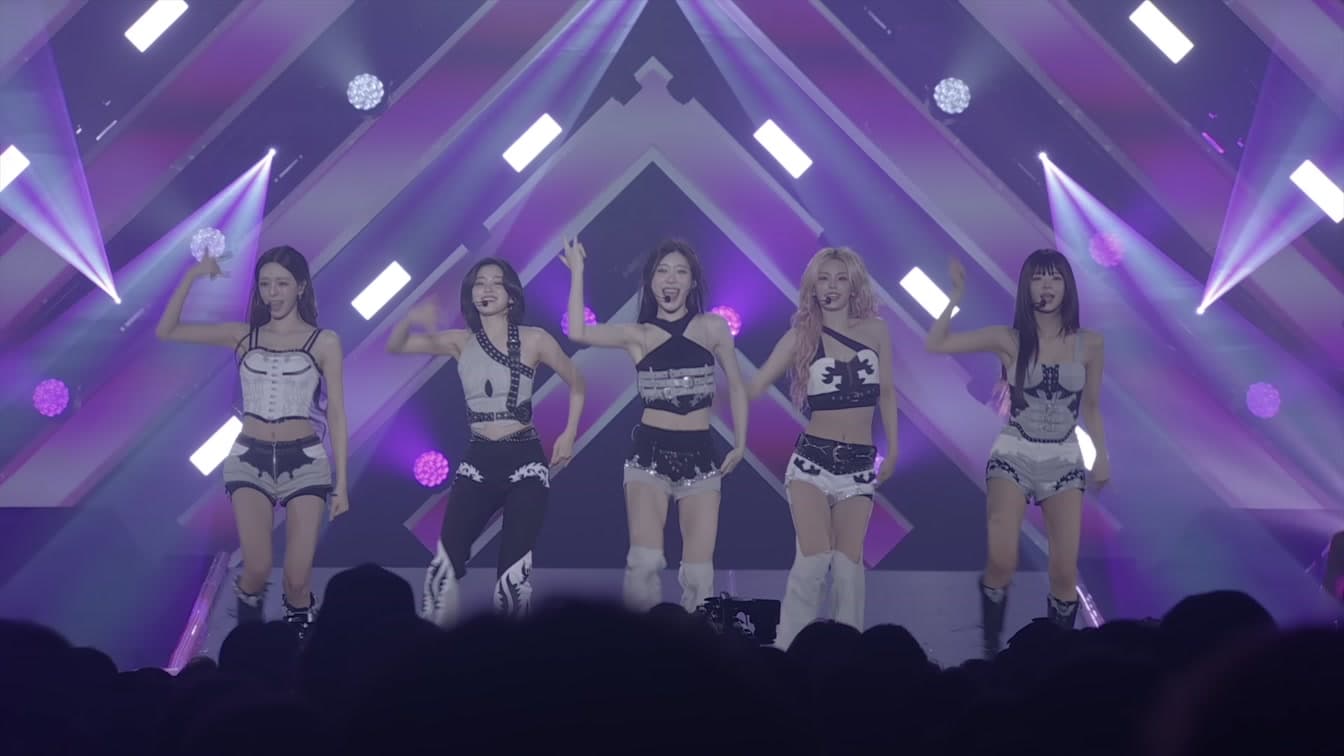
ITZY member Ryujin has turned a brief onstage wardrobe adjustment into a wider conversation about how quickly female idols can be judged online. The moment, taken from the group’s ongoing TUNNEL VISION world tour, went viral after a concert clip circulated across social platforms and prompted the performer to address MIDZY directly in a livestream.
According to Asian Junkie, a K-pop commentary outlet, Ryujin apologized after viewers criticized a clip in which she adjusted her outfit between songs during a recent concert. Complex also reported on July 19, 2026, that Ryujin used a livestream to clarify the moment for fans, explaining that the adjustment was practical rather than performative.
The incident is small in physical terms: an artist on a demanding stage, in a fitted performance outfit, making a quick adjustment before continuing with the show. Yet the reaction around it grew large enough that Ryujin felt the need to speak about it publicly, which is why the story has resonated beyond the original clip.
A Small Stage Moment Became a Larger Idol Debate
Ryujin is one of ITZY’s most recognizable performers, known for sharp stage presence, clean dance lines and a cool charisma that often anchors the group’s more intense choreography. That visibility also means that ordinary movements can become heavily dissected once they are separated from the pace and pressure of a live concert.
The viral clip was framed by some viewers as inappropriate, while many fans argued that the criticism ignored the realities of performing in structured stagewear under bright lights. Concert outfits are designed for impact, not comfort, and performers often have only seconds between choreography, ments and staging marks to fix anything that has shifted.
What made this case stand out was not only the clip itself but the emotional imbalance of the response. A moment that might have passed unnoticed in a full concert became, online, a replayable fragment stripped of its broader context. For fans, Ryujin’s apology raised an uncomfortable question: why should an idol have to apologize for managing discomfort while doing her job?
That question is especially pointed in K-pop, where female idols are often expected to maintain polish through physically demanding performances while also avoiding any gesture that can be misread. The standard can become impossible: be powerful, controlled and natural onstage, but never visibly human in a way that gives online commentators something to isolate.
Ryujin Addressed MIDZY Directly
Rather than let the clip continue without comment, Ryujin spoke to fans through a livestream. She apologized and clarified the situation, according to reports, while addressing the fanbase by name. The decision reflects a familiar K-pop dynamic: artists often communicate with fans quickly and personally, even when the issue began outside formal media channels.
Her remarks appeared aimed less at escalating the issue than at calming it. She acknowledged that people had reacted to the clip, explained that the movement had been an outfit adjustment, and moved the conversation back toward the relationship with fans. In that sense, the livestream functioned as both clarification and reassurance.
For MIDZY, the apology landed in two different ways. Some accepted it as Ryujin’s own choice to address an awkward viral moment. Others felt frustrated that she had been put in a position where an apology seemed necessary at all. The second response is why the incident has traveled so quickly through fan communities: it touches a broader fatigue with the constant policing of idols’ bodies and behavior.
The reaction also shows how fan protection has changed. Fans are not only defending artists from direct insults; they are also challenging the framing of viral clips. In this case, many supporters argued that the clip became controversial because it was removed from the conditions of live performance and recirculated with suggestive commentary.
The Tour Context Matters
The controversy arrived while ITZY is in the middle of its third world tour, TUNNEL VISION, a major touring cycle that has kept the group moving across Asia and beyond. Korean airport reports from July 18 showed ITZY departing through Incheon International Airport for overseas activities, while noting that the tour has continued through sold-out Asian stops.
Live Nation’s tour listings show additional 2026 dates connected to the tour, including Macao on August 15, Taipei on September 5 and Singapore on October 3. The official Macao page lists The Venetian Arena as the venue and gives a 6 p.m. show time, while the Singapore listing points fans toward the Singapore Indoor Stadium date later in the year.
Those dates matter because the clip did not emerge in isolation. It came from the same live-performance environment that has made ITZY a durable touring act: high-speed choreography, tight transitions, strong visual staging and constant fan-filmed documentation. Every show now produces thousands of angles, and any one of them can become the version of an event that travels globally.
For ITZY, this is both opportunity and risk. Fan cameras can spread standout performances within minutes, giving international fans a sense of being present even when they are far from the venue. But the same machinery can magnify a private-looking second of adjustment into a public test of an idol’s professionalism.
Why Fans Are Pushing Back
Part of the fan response comes from Ryujin’s reputation as a composed performer. Since ITZY’s debut, she has been associated with confident expressions, clean execution and a stage manner that rarely looks uncertain. When an artist like that apologizes over a wardrobe-related moment, fans read it as a sign of how unforgiving the online environment has become.
The pushback is also tied to gendered scrutiny. Male and female idols are both watched intensely, but female performers often face a narrower acceptable range in how they move, dress and react under pressure. A practical adjustment can be sexualized by viewers, criticized by casual observers and then repackaged as a controversy before the artist has any meaningful control over the narrative.
That cycle is familiar to many K-pop fans. A short clip gets detached from its original setting. Accounts add captions that sharpen the interpretation. Comment sections harden into sides. Finally, the idol is expected to respond, even if the original action was minor. Ryujin’s case fits that pattern closely, which is why the discussion moved so quickly from the clip to the culture around it.
There is also a practical point that fans have emphasized: live performance is physical labor. Idols sing, dance, travel, rehearse and appear in front of cameras with very little margin for visible discomfort. A wardrobe adjustment may look awkward in a cropped clip, but onstage it can be part of keeping a performance going without interruption.
What Comes Next for ITZY
For now, the immediate issue appears to be cooling into a fan-led defense of Ryujin rather than a formal controversy involving the group or its agency. The more durable impact may be the conversation it leaves behind: how much explanation idols owe for ordinary bodily discomfort, and how much responsibility viewers carry when they turn a clipped moment into a judgment.
ITZY’s tour schedule gives the group a clear path back to what matters most: the stage. With more TUNNEL VISION dates ahead, the members will continue performing for audiences that are following not only the music but the minute-by-minute documentation of the tour. That attention can be powerful when it celebrates the performance. It becomes harder when it turns basic human movement into a trial.
Ryujin’s apology, then, is not simply a footnote to a viral video. It is a snapshot of the pressure K-pop idols carry in 2026, where a seconds-long moment can cross languages and platforms before the artist has left the venue. The clearest takeaway may be the one fans are already repeating: performers should not have to make discomfort look invisible to be treated with respect.
How do you feel about this article?
저작권자 © KEnterHub 무단전재 및 재배포 금지
Entertainment Journalist · KEnterHub
Entertainment journalist focused on Korean music, film, and the global K-Wave. Reports on industry trends, celebrity profiles, and the intersection of Korean pop culture and international audiences.
Comments
Please log in to comment