Why Kim Jaejoong Chose Horror Over the Rich Heir Image
 By Park Chulwon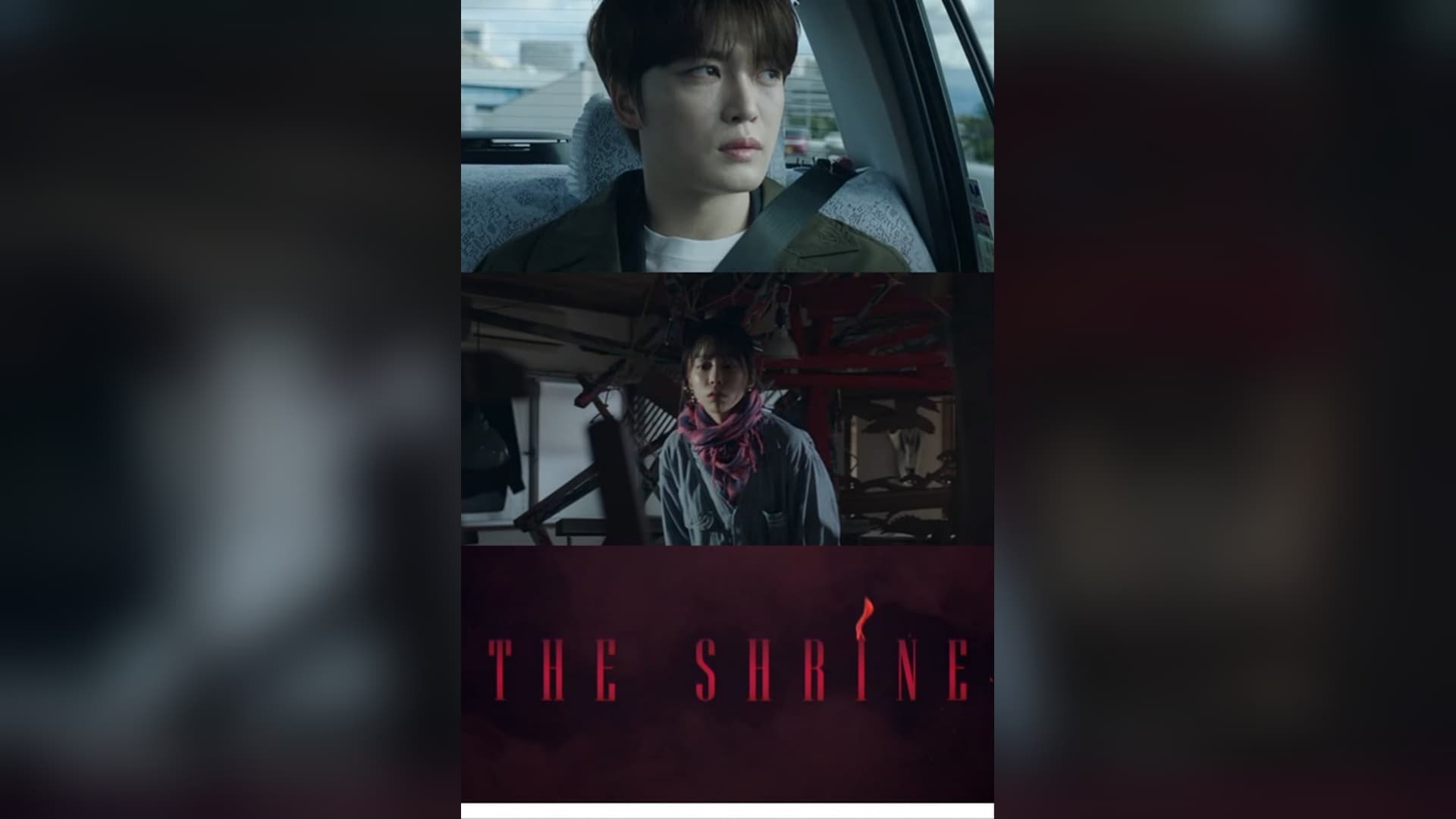
Kim Jaejoong is using his new occult horror film to push back against one of the most persistent expectations attached to his career: that he should play polished, privileged, almost unreal men. In a recent interview for The Shrine: Whispering Evil, the singer-actor said his latest role appealed to him because it allowed him to move away from the princely image fans and casting rooms have often projected onto him.
The film, released in Korea on June 17, follows three university students who disappear after visiting an abandoned shrine in Kobe, Japan. Jaejoong plays Myeong-jin, a stylish male shaman who tracks the strange case and confronts an evil spirit tied to the site, a setup that places him inside a genre built on atmosphere, ritual, and ambiguity rather than the clean romance or corporate fantasy roles that once defined many idol-actor breakthroughs.
A Horror Role Built Around Unanswered Questions
Jaejoong described The Shrine: Whispering Evil as a film with deliberately hidden devices and unresolved details. Rather than presenting every character motive in a straightforward way, the story leaves viewers with questions that may require a second viewing to fully connect. For an actor, that kind of structure can be risky: the performance has to feel intentional even when the script withholds clear answers.
That uncertainty was part of the challenge. During filming, Jaejoong said he repeatedly discussed Myeong-jin's backstory with the director because the character's reasons for behaving a certain way were not fully explained before production began. He had to build an internal logic for a man who appears bright and refined on the surface but carries a darker emotional weight underneath.
The result is a role that works against simple typecasting. Myeong-jin is not written as a conventional exorcist, a comic mystic, or a heroic investigator. He is a shaman with artistic polish, social ease, and unresolved shadows, and Jaejoong appears to have been drawn to the tension between those layers.
Jaejoong said the character's contrast between cheerfulness and darkness was one of the qualities that made the role attractive to him.
That contrast matters because it lets the film use Jaejoong's familiar image without being trapped by it. His elegant appearance becomes part of the character's surface, while the horror setting asks the audience to look for what is being concealed beneath that surface.
Why He Wants to Escape the "Rich Heir" Image
In the interview, Jaejoong addressed a pattern that has followed him for years: the assumption that his looks naturally fit roles such as company director, executive, or second-generation chaebol heir. He said those characters could feel burdensome because they leaned too heavily on an idealized image. Instead, he has wanted to play people who feel more casual, more ordinary, and closer to someone audiences might meet in real life.
That is a notable statement from an artist whose career has often been shaped by visual expectation. Jaejoong debuted as a teen idol and became known for a look that fans celebrated but that also created a narrow public frame around him. He recalled that when he was younger, people made assumptions about him based on his appearance.
He added that public attitudes have changed as Korean entertainment culture has become more open to different kinds of beauty and self-expression. Still, the memory of being judged first by his face appears to have stayed with him. His comments suggest that his current acting choices are not just about trying new genres, but about reclaiming the right to appear less predictable on screen.
For English-speaking K-entertainment fans, the context is important. Idol-actors are often encouraged to start with roles that protect their star image: romantic leads, wealthy heirs, or characters written as aspirational fantasies. Those parts can be commercially useful, but they can also delay an actor's ability to show range. Jaejoong's latest interview frames The Shrine: Whispering Evil as part of a longer attempt to loosen that early packaging.
From Idol Veteran to Actor With Something to Prove
Jaejoong's acting career has never been separate from his music career. For many fans, he remains a major figure in K-pop history, but his screen work has steadily built its own timeline. He made early acting moves in Japan and later took on Korean drama roles, including the 2011 SBS romantic comedy Protect the Boss, where he played a wealthy business figure. That earlier role is useful background because it shows exactly the kind of polished character image he now says he wants to complicate.
At the time, Jaejoong's domestic drama debut came with the pressure familiar to idol-actors: prove that the casting was more than celebrity value. Years later, his remarks about wanting roles with more lived-in pain sound like a career-long tension finally being stated clearly.
In The Shrine: Whispering Evil, that tension takes a darker form. Myeong-jin is elegant, but he is not comfortable. He is central to the mystery, but the film does not appear to hand him easy emotional explanations. Jaejoong said he had to keep talking with the director to understand why the character treats people the way he does and what kind of burden he may be carrying.
The film's Kobe setting also gave him a different kind of working environment. Because the movie was shot entirely on location in Japan and made with a Japanese director, Jaejoong compared the production rhythm with Korean sets. He said Korean directors often capture multiple takes and varied camera sizes to refine detail, while Japanese productions can move closer to a one-take style.
For an actor, that difference changes the pressure of each scene. A Korean set may offer more chances to adjust performance, while a Japanese-style setup can make early choices more decisive. Jaejoong said the experience reminded him of earlier Japanese drama work, where scenes with several actors could be filmed with multiple cameras and completed quickly.
What His Producer Role Adds to the Story
Jaejoong's comments did not stop at acting. He also spoke about his work as an idol producer through iNKODE Entertainment, describing the process of debuting and growing new artists as difficult, responsibility-heavy, and full of ongoing challenges. That part of the interview adds another layer to why his role choices matter now.
He is no longer only the performer trying to prove range. He is also a senior figure looking at younger artists and thinking about what conditions allow talent to develop. Jaejoong said he has come to recognize the limits of what he can do with his own mind, body, and stamina, while also seeing many younger people who may have the potential to go beyond those limits.
That perspective makes his rejection of predictable roles more meaningful. Taking an occult horror film built around ambiguity is not the safest image-preserving move, but it is consistent with the idea that an artist should not be reduced to one marketable silhouette.
It also helps explain why he emphasized flexibility. Jaejoong said he has remained open to trying many genres, including film, drama, musicals, and other fields. He accepted The Shrine: Whispering Evil partly because the production schedule worked for him; a long drama commitment might have been harder to manage, while this film fit into a broader calendar of music, acting, and company responsibilities.
Why Fans Are Watching This Turn Closely
For longtime fans, the emotional hook is not simply that Jaejoong is appearing in a horror movie. It is that he is openly naming the gap between what people expect from him and what he wants to show next. He said he actively looks for ways to reveal the opposite of the image fans may anticipate, a line that turns this film into a statement about direction rather than just another credit.
That matters in a K-entertainment landscape where veteran idols are increasingly rewriting the second halves of their careers. Some move into management, some focus on touring, some return to acting, and some attempt all of those at once. Jaejoong is doing the difficult version: maintaining a public identity as a singer, actor, producer, and company leader while still looking for roles that make him feel less obvious.
The Shrine: Whispering Evil may not be designed as a mainstream comfort watch. Its occult premise, missing-student mystery, and layered shaman character place it closer to atmospheric genre cinema than broad fan-service drama. But that is exactly why the role is interesting for Jaejoong at this point in his career.
If the film sends some viewers back for a second watch, as Jaejoong suggested it might, it will also invite them to reconsider his screen persona. The polished surface is still there, but the choice of material points somewhere more unsettled. For an artist long associated with an almost unreal visual image, that may be the most important shift: he is no longer trying to look like the character fans expect. He is trying to find the person underneath.
How do you feel about this article?
저작권자 © KEnterHub 무단전재 및 재배포 금지
Entertainment Journalist · KEnterHub
Entertainment journalist focused on Korean music, film, and the global K-Wave. Reports on industry trends, celebrity profiles, and the intersection of Korean pop culture and international audiences.
Comments
Please log in to comment