Why Netflix Just Gave the KPop Demon Hunters Directors $50M
 By Park Chulwon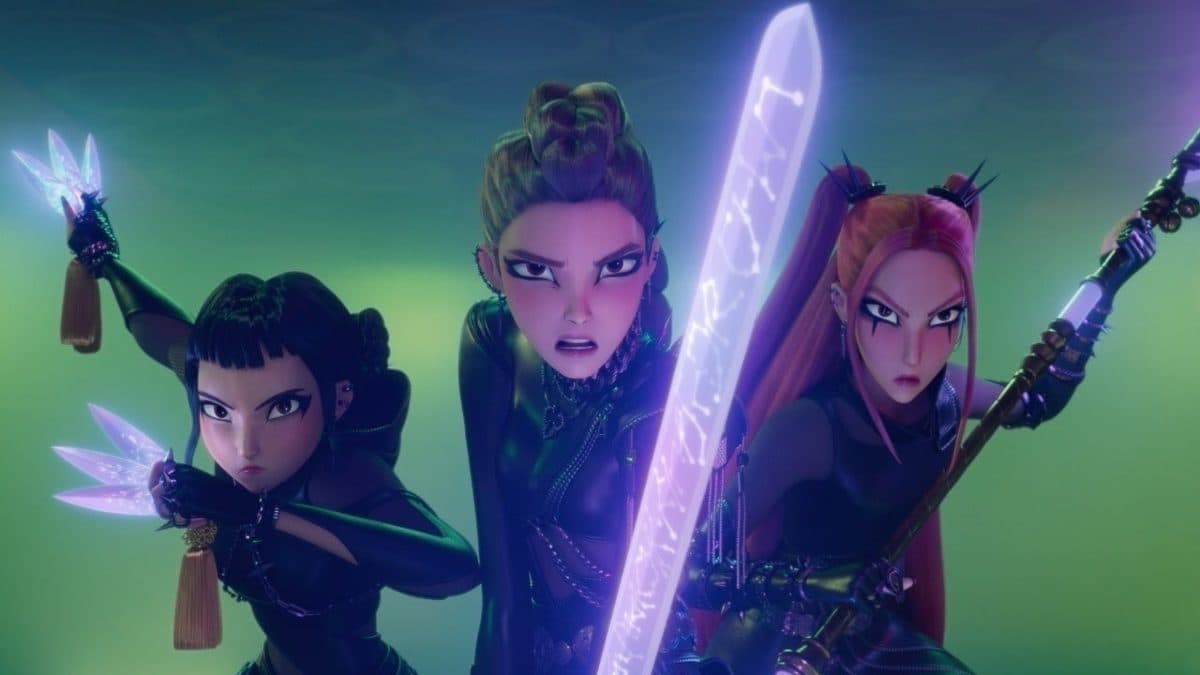
When Netflix confirmed a sequel to its record-shattering animated film KPop Demon Hunters, the announcement itself was expected. What caught the industry off guard was the scale of the deal attached to it. Directors Maggie Kang and Chris Appelhans have signed a multi-year exclusive writing and directing pact with Netflix that, according to Puck News, guarantees them approximately 10 million dollars per year over five years — a compensation package that places them firmly in the elite tier of television showrunners and puts them on par with the creators of Stranger Things.
The deal was finalized just days before KPop Demon Hunters cemented its place in awards history at the 98th Academy Awards ceremony in Los Angeles, where it won both Best Animated Feature and Best Original Song for the breakout hit “Golden.” That song made history of its own, becoming the first K-pop track ever to win an Oscar. For a film that was initially greenlit as a mid-budget animation project, the trajectory has been nothing short of extraordinary.
The Numbers Behind the Deal
The financial architecture of the KPop Demon Hunters franchise reveals just how dramatically Netflix’s investment thesis has shifted since the film’s release. Netflix originally paid Sony Pictures Animation a 20 million dollar production fee plus 5 million dollars for first-option sequel rights, totaling 25 million. The streaming giant also covered the film’s entire 100 million dollar production budget.
After the movie became the most-watched Netflix film of all time with over 325 million views, the streamer awarded Sony an additional 15 million dollar cash bonus, bringing Sony’s total payout to 40 million. The sequel, which Sony will again produce, is now officially in development with both directors returning to write and direct.
Under their new exclusive deal, Kang and Appelhans will not only helm the sequel but also serve as advisors on all merchandise production and derivative product development related to the KPop Demon Hunters intellectual property. Starting with the sequel, they will also receive a share of merchandise and soundtrack revenue — a concession that mirrors the arrangement Netflix gave the Duffer Brothers for Stranger Things and signals the streamer’s recognition that the franchise’s cultural footprint extends far beyond the screen.
Oscar Glory and Global Impact
The 98th Academy Awards ceremony on March 15 was a landmark evening for Korean representation in Hollywood. KPop Demon Hunters took home the Best Animated Feature award, defeating Arco, Elio, Little Amelie or the Character of Rain, and Zootopia 2. Director Maggie Kang, visibly emotional on stage, dedicated the award to Korean communities worldwide.
She later told reporters she felt immense pride as a Korean filmmaker that audiences wanted more from this Korean story and these Korean characters. The sentiment was echoed by Netflix’s Chief Content Officer Bela Bajaria, who stated that with KPop Demon Hunters, Maggie and Chris did not just reach audiences — they ignited a global fandom that crossed languages, generations, and genres.
The Best Original Song win for “Golden” added another layer of significance to the evening. Performed during the ceremony, the track became a viral moment that trended globally on social media platforms within hours. It marked the first time a song rooted in K-pop had been recognized at the Oscars, a milestone that resonated deeply within the global K-pop community and underscored the genre’s growing legitimacy in Western entertainment circles.
What the Sequel Means for K-Pop on Screen
The confirmation of KPop Demon Hunters 2 arrives at a moment when K-pop’s influence on global entertainment extends well beyond music charts. The original film wove Korean pop culture, mythology, and contemporary idol culture into a narrative that resonated with audiences who had never listened to a K-pop song, while simultaneously satisfying dedicated fans who recognized the nuanced references throughout.
Industry analysts have noted that the film’s success opened doors for Korean-themed animated content in ways that live-action K-dramas and K-pop music videos had not previously achieved. The animation format allowed the filmmakers to create a visually spectacular world that transcended language barriers while maintaining authentic cultural specificity — a balance that live-action productions sometimes struggle to achieve for global audiences.
The sequel is reportedly targeting a 2029 release, though insiders caution that animated projects of this scale typically require extended production timelines. Kang and Appelhans are said to be in the early stages of development, suggesting the actual release could shift further out. However, the multi-year nature of their Netflix deal provides the creative runway needed to develop the project without the pressure of an artificially compressed timeline.
A New Chapter for Korean Stories in Hollywood
The KPop Demon Hunters franchise represents a broader shift in how Hollywood approaches Korean cultural content. Following the success of Parasite at the 2020 Oscars and the global phenomenon of Squid Game, KPop Demon Hunters adds animation to the growing list of formats through which Korean stories have captured worldwide audiences.
For Netflix, the mega-deal with Kang and Appelhans is both a bet on proven talent and a strategic investment in a franchise that has demonstrated its ability to generate massive viewership, awards recognition, and cultural conversation simultaneously. As Bajaria noted in a recent interview, the streamer views Korean content not as a niche category but as a core pillar of its global programming strategy, alongside titles like Squid Game and the upcoming BTS comeback special.
With an Oscar double crown, a sequel in development, and two directors locked in at showrunner-level compensation, KPop Demon Hunters has evolved from a surprise hit into a cornerstone franchise. The question is no longer whether K-pop can power a major animated film — it is how far the genre’s storytelling potential can reach when given the resources and creative freedom to fully realize it.
How do you feel about this article?
저작권자 © KEnterHub 무단전재 및 재배포 금지
Entertainment Journalist · KEnterHub
Entertainment journalist focused on Korean music, film, and the global K-Wave. Reports on industry trends, celebrity profiles, and the intersection of Korean pop culture and international audiences.
Comments
Please log in to comment