Why Seongsu Became K-Culture's Pop-Up Test Lab
Seoul's trend district shows how Korean entertainment, tourism and retail are merging into walkable experiences.
 By Park Chulwon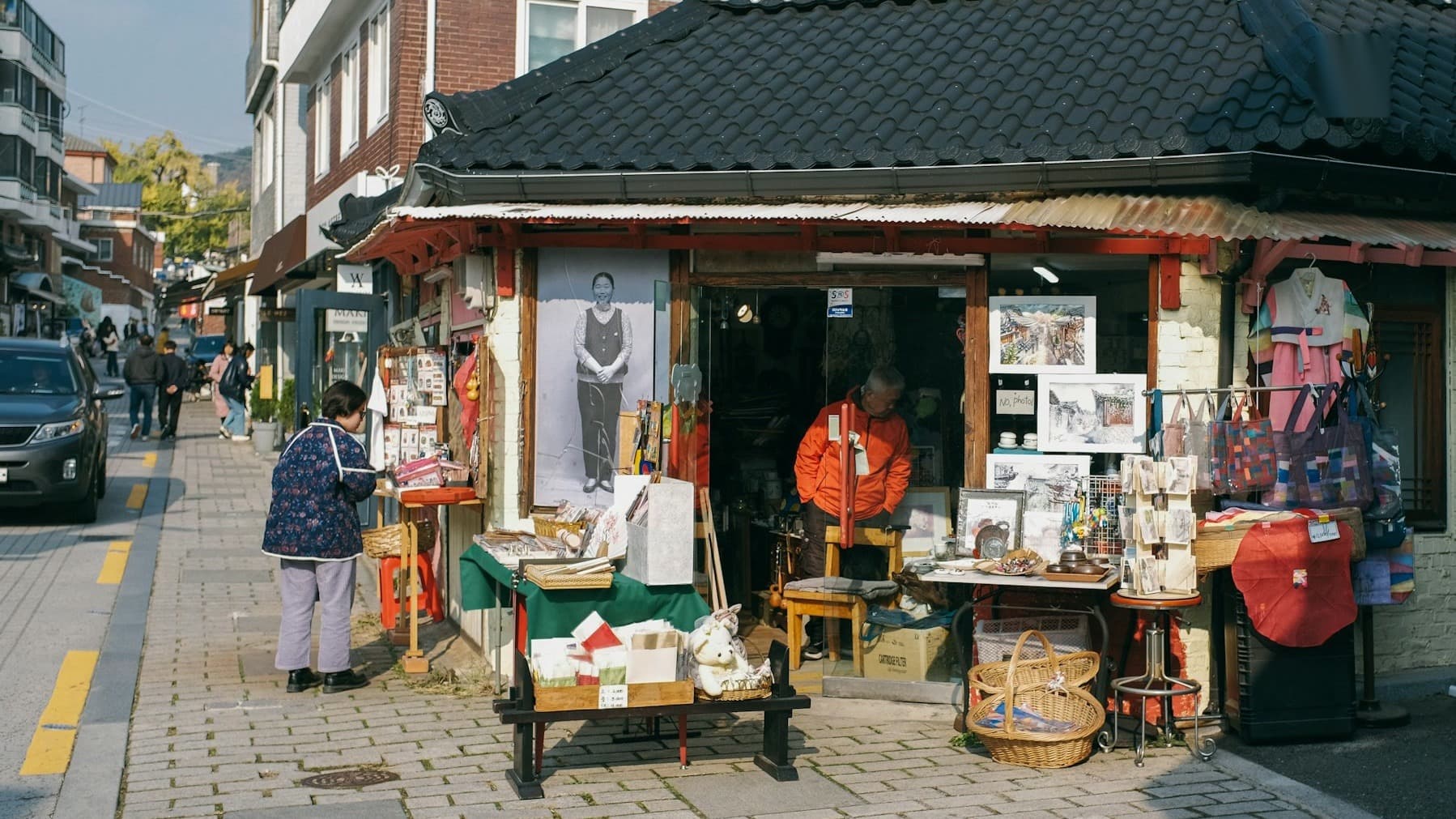
Seongsu-dong is no longer just a fashionable Seoul neighborhood.
What began as a local weekend route of cafes, shoe-factory alleys and independent shops has become one of the clearest case studies in how K-culture now sells itself: not as a product on a shelf, but as a place people can enter, photograph, queue for and briefly belong to. The latest review of The Age of Seongsu-dong, a book by urban and branding researcher Cho Hoon-hee, matters because it places the district inside a bigger shift in Korean entertainment and lifestyle tourism. Seongsu is becoming a live laboratory for pop-up retail, beauty, fashion, food and fandom-driven discovery.
This article analyzes why Seongsu's rise matters as a sign that K-culture is moving from screen-based popularity to street-level experience. The point is not only that more brands want a Seongsu address. It is that global visitors increasingly treat Korean daily life itself as content, and Seongsu has learned how to package that daily life without making it feel like a conventional tourist attraction.
From Factory District To Cultural Interface
The book review published by MoneyToday frames Seongsu as a layered urban space rather than an artificially engineered hot spot. That distinction is important. Seongsu's appeal comes from its former industrial identity, its proximity to Seoul Forest, its low-rise streets and the way old workshops sit beside polished flagships. The neighborhood does not look like a mall. It looks like a city still being edited in public.
That texture gives brands a useful stage. A beauty launch can borrow the credibility of a converted warehouse. A fashion label can look more local by opening beside a cafe instead of inside a department store. A food pop-up can become a social-media stop, not simply a tasting booth. This is why Seongsu fits the K-culture economy so well: Korean entertainment has trained audiences to follow stories across formats, and Seongsu lets brands turn those stories into walkable experiences.
But the shift also reflects pressure in the broader tourism market. Recent Korean reports describe foreign visitors moving beyond the old duty-free and group-tour circuit toward what some local analysts call daily-life travel. In that pattern, tourists want to shop where Seoul's younger consumers shop, visit the cafes they see online, and collect small proof-of-presence moments. Seongsu's value is therefore not only foot traffic. It is cultural translation.
Why The Numbers Point To A Structural Shift
That cultural translation now has measurable weight. The Korean Culture and Information Service, writing in its 2026 webzine, cited a pop-up trend analysis showing more than 3,077 pop-up stores across Seoul's major districts in 2025, up 79 percent from 2024. Korean business reporting on Sweetspot, a retail and proptech company active in pop-up brokerage, gave an even broader figure: 3,371 pop-up stores nationwide in 2025, with 88 percent in Seoul and about 35 percent concentrated in Seongsu. Even allowing for differences in methodology, the direction is hard to miss.
The chart shows why Seongsu cannot be dismissed as a niche shopping lane. If roughly one-third of Korea's pop-up activity clusters in one district, the district becomes a media channel in its own right. Brands are not merely renting square meters. They are buying access to a repeatable ritual: discover the pop-up online, wait in line, photograph the installation, collect a limited item, then spread the visit back through social platforms.
Foreign spending data strengthens the point. The Korea Tourism Organization's card-consumption analysis, reported by Korean media in June 2026, put foreign visitors' May card spending at 2.1222 trillion won, up 67.1 percent year on year. The same reports highlighted lifestyle purchases, K-beauty, character goods and fashion as major drivers. Seongsu appears inside that pattern as a place where tourism, fandom and everyday retail are no longer separate categories.
The Seongsu Formula Is Experience Before Transaction
But high traffic alone does not explain the neighborhood's influence. The core formula is experience before transaction. Korea's strongest pop-ups often ask visitors to play a game, pass through a photo zone, receive a sample, customize a package or step inside a branded world for ten minutes. Sales may follow, but the first product is memory.
This matches the logic of K-pop and K-drama fandom. Fans already understand limited editions, visual concepts, lore, teasers and location-based pilgrimage. A dessert tied to a K-pop collaboration, a character pop-up with exclusive merchandise, or a beauty installation designed for short-form video all use the same grammar. Seongsu works because it converts that grammar into urban movement.
There is also a subtle class of credibility at work. A pop-up inside Seongsu feels less official than a department-store counter and more intentional than a banner ad. That matters to younger consumers who want discovery to feel self-directed. They may be following a trend, but the alley, the converted building and the cafe next door make the visit feel found rather than assigned.
The risk is saturation. Korean reports now describe brands looking toward Bukchon, Seochon and hanok-based spaces because Seongsu's rents, queues and repeated formats have made differentiation harder. That is not a sign that Seongsu is over. It is a sign that Seongsu has become a template. Once a district teaches the market how experience retail works, the market starts exporting the format elsewhere.
Impact On K-Culture Tourism
For global K-wave audiences, this is a meaningful development. The Korean Wave used to be mediated mostly through screens, music platforms and merchandise shipping. Now the country itself is becoming part of the fan product. Visitors do not only want to watch Korean culture; they want to move through the places where it is made visible.
That creates opportunities for entertainment companies, local governments and small brands. A well-designed district can extend the life of a comeback, a drama, a character IP or a beauty trend. It can also distribute spending beyond a single concert venue or flagship store. If a fan comes for an idol-related event and spends the rest of the day in cafes, shops and pop-ups, the cultural value chain becomes wider.
Still, the model needs care. If every street becomes a rotating backdrop for major brands, the local texture that made Seongsu desirable can erode. The next phase will depend on whether Seoul can protect small operators, manage crowd pressure and keep experiential retail from becoming visually loud but culturally thin. The strongest K-culture spaces are not only photogenic. They feel specific.
What Comes Next
Seongsu's future may be less about being the single hottest district and more about proving a repeatable model for Korean lifestyle exports. Pop-ups that start in Seoul can travel to Tokyo, Singapore or London, while foreign brands can use Seoul as a test market for Asia-facing storytelling. That two-way movement is already beginning.
The lesson from Seongsu is clear. K-culture's next growth engine will not come only from bigger hits, bigger concerts or bigger streaming numbers. It will also come from smaller rooms, limited-run stores and streets where visitors can briefly turn admiration into participation. Seongsu matters because it shows how a neighborhood can become a format, and how that format can turn Korean daily life into a global cultural interface.
How do you feel about this article?
저작권자 © KEnterHub 무단전재 및 재배포 금지
Entertainment Journalist · KEnterHub
Entertainment journalist focused on Korean music, film, and the global K-Wave. Reports on industry trends, celebrity profiles, and the intersection of Korean pop culture and international audiences.
Comments
Please log in to comment