Why Uhm Tae-goo’s Wild Thing Turn Matters
The Korean comedy uses K-pop-style promotion and Uhm’s exposed sincerity to turn nostalgia into a real character showcase.
 By Park Chulwon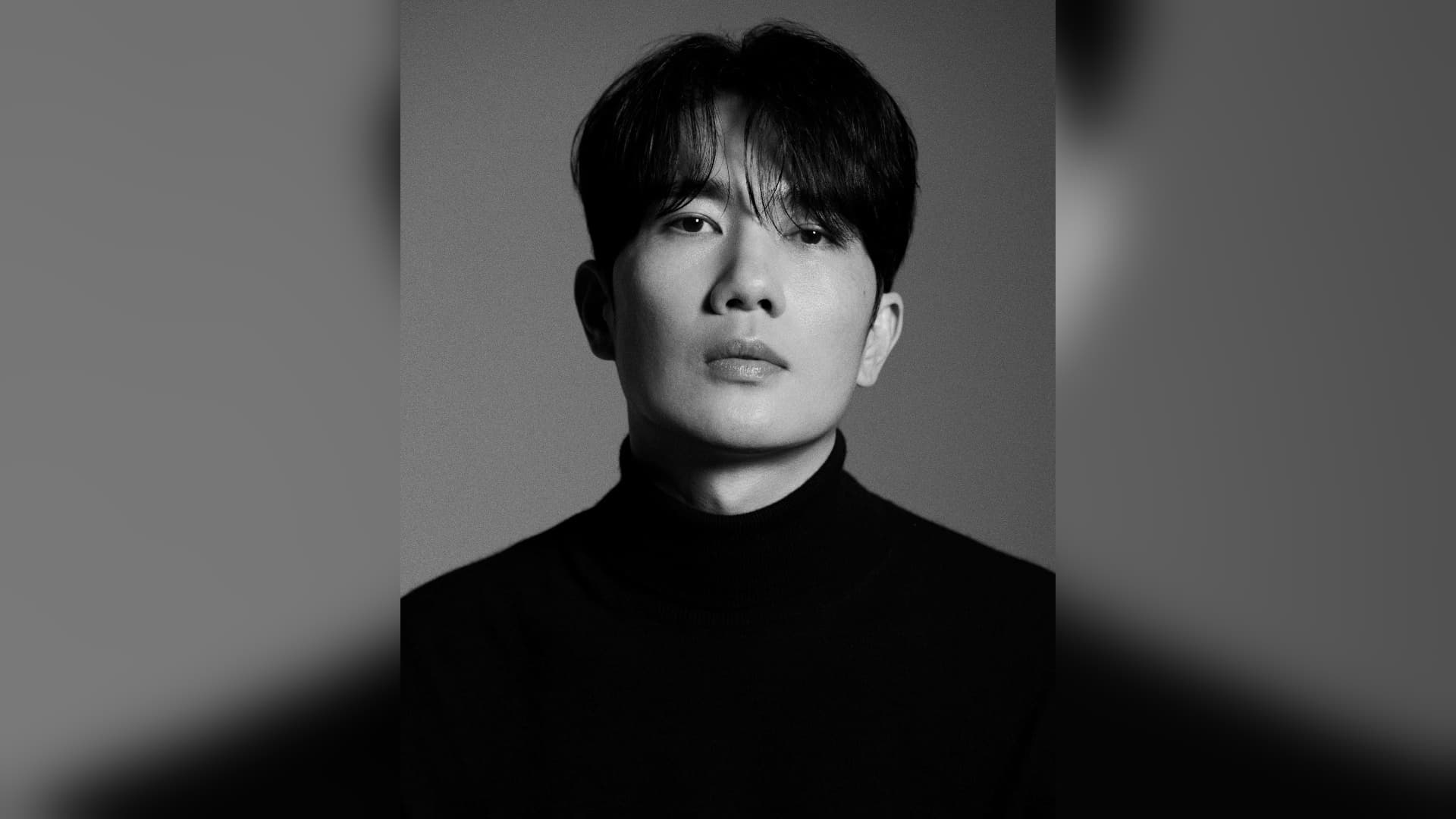
Uhm Tae-goo’s loudest role may become one of his most revealing.
In the new Korean comedy Wild Thing, which opened in theaters on June 3, 2026, the actor plays Gu Sang-gu, the underused rapper of a fictional late-1990s co-ed dance group called Triangle. The joke is obvious at first: Uhm, long known for stillness, guarded intensity, and an almost famously introverted public image, is asked to rap, wink, dance, and chase laughs at full volume.
But the importance of the performance is not simply that a serious actor has done comedy. This guide argues that Uhm’s turn in Wild Thing matters because it shows how Korean film can borrow K-pop’s promotion machinery while giving a character actor a mainstream showcase built on vulnerability rather than image management.
A Comedy Built Like a Comeback Stage
The film follows Triangle, a once-popular group whose career collapsed after an unexpected incident, as its members reunite two decades later for a reckless shot at the stage. Kang Dong-won plays the leader Hwang Hyun-woo, Park Ji-hyun plays vocalist Byun Do-mi, and Uhm Tae-goo plays Gu Sang-gu, a rapper whose ambition has always been larger than his skill set. Oh Jung-se joins the story as an older ballad singer pulled into the same comeback fantasy.
That setup could have been a simple nostalgia vehicle. Instead, director Son Jae-gon frames it as a comedy about performance itself: the old costumes, exaggerated music-show gestures, and deliberately dated visual language are funny because the characters treat them with life-or-death seriousness. The more ridiculous the comeback becomes, the more precise the actors have to be.
That is where Uhm becomes the film’s most interesting variable. His screen persona has often depended on pressure held inside the body. Here, the pressure has to burst outward, and the result is not a rejection of his earlier image but a strange continuation of it. Sang-gu is funny because he is trying too hard. He is moving too much. Underneath that excess, however, is the same loneliness and stubborn pride that Uhm has long known how to play.
But performance alone does not explain why Wild Thing arrived with unusual momentum.
The Numbers Show a Smart Pre-Release Strategy
Before the film reached theaters, its fictional group had already been marketed almost like a real act. Reports around the release noted that Triangle’s “Love Is” music video passed 3 million views within a month, while Oh Jung-se’s “I Like You” stage clip topped 1 million views in roughly ten days. Those figures are not just trivia. They show that the film’s core gag was tested in public before opening day.
That strategy paid off at the box office. Korean media reported that Wild Thing drew 160,748 admissions on its first day, ahead of the 117,783 opening-day admissions cited for the year’s major local hit The Man Who Lives With the King. Audience indicators also started high, with reports citing a 95 percent CGV Egg score, 9.2 at Lotte Cinema, and 9.01 on Naver shortly after release.
The numbers matter because they reveal a film behaving less like a traditional star comedy and more like a hybrid entertainment product. It gave audiences a song, a visual concept, a fake group identity, and repeatable clips before asking them to buy a ticket. That is a K-pop logic applied to theatrical comedy: build the fandom object first, then let the movie expand it.
Still, the strategy would feel hollow if the central performance only served the campaign.
Uhm Tae-goo Turns Awkwardness Into Emotion
Uhm’s Sang-gu works because the film does not ask him to become slick. In interviews around the release, he reportedly said he trained for months at JYP to prepare for the rap and performance elements, while also admitting that becoming technically good at rap in a short time was not the point. That distinction is crucial. Sang-gu is not funny because he is secretly brilliant. He is touching because he keeps stepping forward despite knowing the gap between desire and talent.
Comedy often punishes characters for wanting too much. Wild Thing takes a softer route. It laughs at Sang-gu’s bad timing, overwrought gestures, and painfully earnest rap delivery, but it also lets those same details become proof of commitment. By the final stretch, the rap no longer plays only as a punchline. It becomes a character statement.
That is why Uhm’s introverted image helps rather than hurts the role. Viewers bring a memory of his quiet off-screen persona and his darker screen roles, then watch him spend that reserve on something deliberately uncool. The contrast creates laughs, but the sincerity keeps the performance from becoming parody. Sang-gu is not a meme in human form. He is a man trying to recover the version of himself that once believed a stage could change everything.
That emotional turn also clarifies Son Jae-gon’s larger choice as a director.
Why the Nostalgia Feels Current
Wild Thing is full of late-1990s and early-2000s pop references, from co-ed group styling to music-show staging and the squarer visual grammar of older music videos. Yet the film is not only selling retro comfort. It is using nostalgia as a language that younger viewers already understand through short-form clips, remix culture, and idol-era reenactments.
Son’s reported emphasis on music explains the film’s texture. The songs had to be catchy enough to survive outside the film, and the performances had to be intentionally artificial without looking careless. That balance is harder than it sounds. Too much polish would erase the joke; too little would make the film look cheap. The best moments land in the middle, where the audience can see both the craft and the absurdity.
This is also where Kang Dong-won and Park Ji-hyun matter to Uhm’s performance. Kang brings star confidence to the group’s visual center, while Park gives the trio a cleaner pop presence. Uhm’s Sang-gu, by contrast, supplies friction. He is the member whose hunger is too visible, and that visibility turns the group from a sketch into a story.
For Korean cinema, that is the more useful lesson. Star casting can open the door, but a concept-driven comedy needs a performer willing to look unprotected. Uhm gives the film that risk.
What to Watch After Opening Week
The next signal will be retention. A strong first day can come from star curiosity, but a comedy usually needs ordinary viewers to repeat the recommendation in plain language: it is funny, it is easy to watch, and the actors make the premise worth the ticket. If Wild Thing keeps its audience scores near the early reported range, the film has a plausible path beyond opening-week fans.
The second signal is whether Triangle continues to live outside the theater. The music videos and stage clips gave the movie a pre-release identity, but post-release circulation is different. Audiences now know which jokes the songs support and which character beats the performances reveal. If clips keep moving after viewers have seen the film, the campaign will look less like a stunt and more like an extension of the story world.
For Uhm, the follow-up question is not whether he should keep doing broad comedy. It is whether filmmakers see what this role proves: he can carry emotional credibility into a heightened concept without making the tone collapse. That is valuable in an industry where genre hybrids often depend on actors who can make absurdity feel lived-in.
So the real measure of Wild Thing may be larger than a weekend ranking. It may show whether Korean commercial films can create promotional worlds with the discipline of idol marketing while still rewarding viewers with character work that feels personal. That balance is difficult, and that difficulty is exactly why Uhm’s performance matters now.
Verdict: A Comic Detour With Career Weight
Wild Thing may ultimately be judged by whether its opening buzz holds across the weekend and whether strong audience scores translate into word of mouth beyond fans of the cast. The early signs are encouraging, but the longer test is whether the film can convert curiosity about its fake group into affection for its comeback story.
As a showcase for Uhm Tae-goo, it already succeeds. The role expands his range without flattening what made him distinctive. He does not become a conventional comic performer; he turns discomfort, effort, and exposed sincerity into comedy. That is a more durable achievement than a simple image change.
The film’s smartest move is recognizing that K-pop spectacle and actor-driven comedy do not have to compete. In Wild Thing, they amplify each other. The music sells the fantasy, the numbers show the marketing worked, and Uhm’s performance gives the joke a heart that keeps beating after the stage lights go down.
How do you feel about this article?
저작권자 © KEnterHub 무단전재 및 재배포 금지
Entertainment Journalist · KEnterHub
Entertainment journalist focused on Korean music, film, and the global K-Wave. Reports on industry trends, celebrity profiles, and the intersection of Korean pop culture and international audiences.
Comments
Please log in to comment