Wild Sing Review: When Y2K Buzz Meets Box Office Reality
The Korean comedy's wigs, music and memes are sharp, but its viral strength exposes a harder theatrical question.
 By Park Chulwon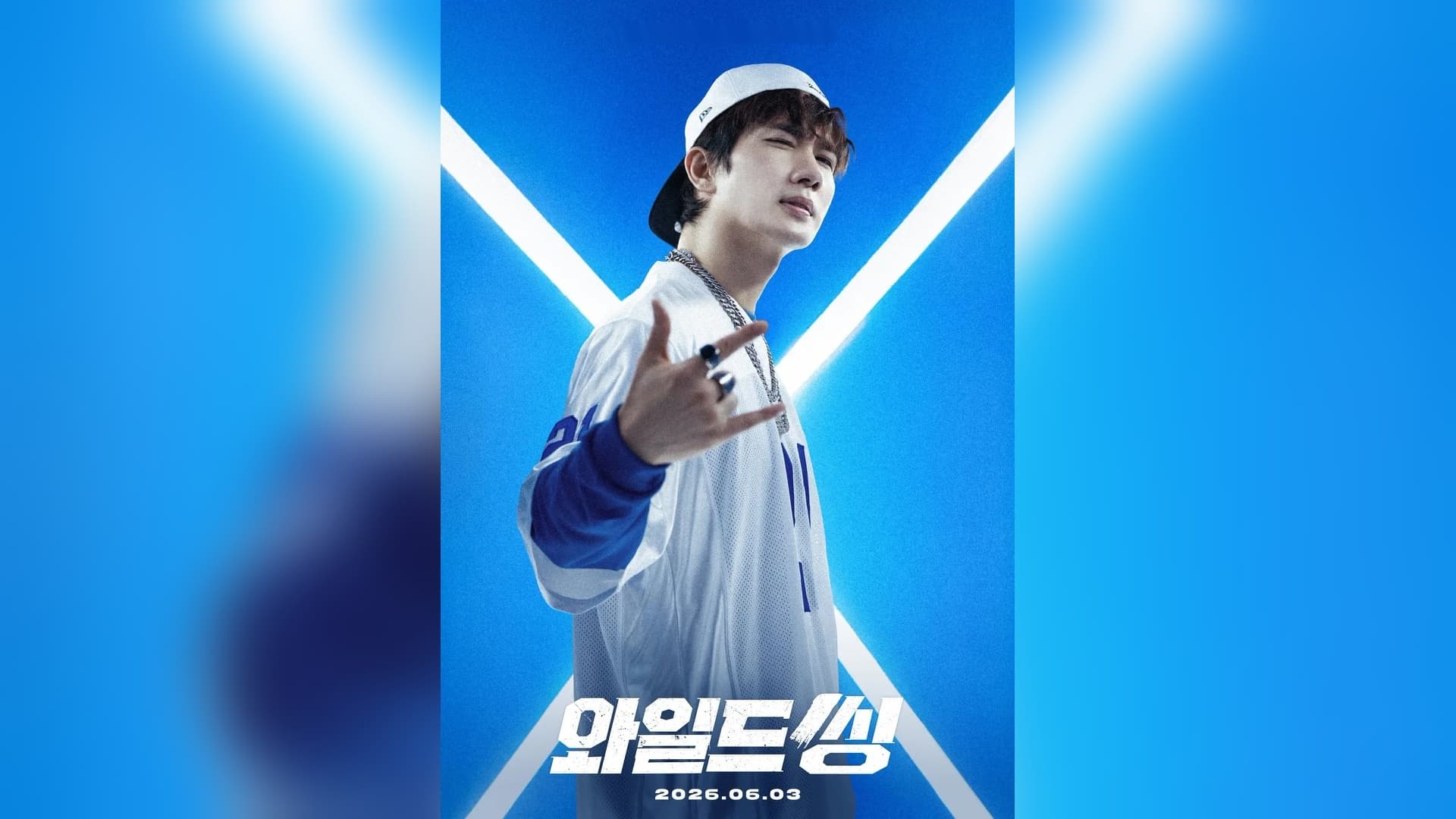
Wild Sing has become a useful stress test for Korean cinema's Y2K nostalgia boom.
The comedy film, starring Kang Dong-won, Uhm Tae-goo, Park Ji-hyun, and Oh Jung-se, has crossed 1 million admissions while drawing outsized attention for its retro idol concept, hair design, and meme-ready music. The result is not a simple hit-or-miss story. It shows how a film can dominate social conversation through styling and character IP while still facing the harder question of whether online affection can move enough people into theaters.
This review looks at the film through that tension. Wild Sing is built around Triangle, a once-popular co-ed dance group that reunites two decades after a sudden collapse. The premise gives the production a natural excuse to recreate late-1990s and early-2000s K-pop excess: inflated silver hair, heavy smoky eyes, exaggerated ballad-star bangs, and choreography that treats embarrassment as part of the joke. That surface is funny, but it is also the movie's most serious craft decision. The hair and makeup are not decoration. They are the film's memory engine.
A Comedy Powered By Visual Commitment
The production's headline detail is striking: reports say about 98 percent of the cast wore wigs during filming. That number sounds like publicity copy until the movie's concept is considered. A half-hearted retro comedy would rely on a few obvious costumes and expect viewers to fill in the rest. Wild Sing instead makes hair a timeline, using each visual era to explain how Triangle wanted to be seen, how badly fame dated them, and why their comeback is both ridiculous and strangely sincere.
Kang Dong-won's Hyun-woo moves from neat idol polish to inflated silver theatricality. Uhm Tae-goo's Sang-gu cycles through curls, explosive hair, dread-inspired styling, and ponytail flourishes. Park Ji-hyun's Do-mi carries the color and edge of early idol makeup. Oh Jung-se's Choi Sung-gon may be the film's most viral figure, with his eye-covering ballad-star hair becoming a joke that audiences can understand before they know the plot.
That visual clarity is the film's biggest strength. The audience can read the characters in seconds, and the jokes land before dialogue explains them. More importantly, the styling carries affection. The film laughs at Y2K idol excess, but it does not treat the era as disposable kitsch. The comedy works because the production clearly studied the period it is exaggerating.
Yet visual commitment alone cannot settle the film's commercial question.
The Box Office Gap Behind The Buzz
By June 20, Korean reports said Wild Sing had surpassed 1 million admissions. Sports Donga later placed its cumulative total at 1,100,567 by June 21, while SBS noted that the film's reported break-even point was about 2 million admissions. Those figures create a revealing middle position: the movie is not being ignored, but its social-media heat has not fully converted into theatrical urgency.
The chart clarifies the issue. Wild Sing has already achieved cultural visibility that many Korean releases would envy, but it still needs a longer theatrical tail to turn that visibility into a stronger box-office result. That is difficult in a crowded summer frame, especially after Toy Story 5 entered the market and displaced earlier leaders. The film's challenge is not awareness. It is conversion.
SBS's analysis made a persuasive point: many viewers seemed to know the song, the meme, or Choi Sung-gon's image before deciding whether the film itself required a theater visit. That is the paradox of modern movie marketing. If the most shareable part of the film circulates too effectively online, some casual viewers may feel they have already consumed the experience. For a concept comedy, that can be both a blessing and a ceiling.
Still, it would be too simple to call the campaign a failure. The film turned fictional pop nostalgia into a living promotional object. Music videos, parody clips, and idol-adjacent references gave Triangle and Choi Sung-gon a life outside the running time. That kind of transmedia spread is valuable even when admissions lag behind hype. It gives the film cultural afterlife.
Where The Film Works Best
As a viewing experience, Wild Sing is strongest whenever performance, embarrassment, and sincerity collide. The actors commit to the bit without winking too hard. Kang Dong-won and Uhm Tae-goo benefit from the contrast between their established screen images and the absurd idol styling, while Park Ji-hyun gives the group dynamic a cleaner pop center. Oh Jung-se, unsurprisingly, understands how to make a ridiculous visual feel emotionally specific.
The film's best joke is not that these people look outdated. It is that they once believed, completely, in the glamour of that outdated image. That small emotional layer keeps the Y2K concept from becoming a costume parade. We laugh because the styles are excessive, but we also recognize the vulnerability of people trying to recover a version of themselves that only made sense under old lights.
The weaker passages come when the film's story cannot match the precision of its image-making. A comeback comedy needs rhythm: humiliation, rehearsal, renewed trust, public test, and emotional payoff. Wild Sing has the pieces, but the viral-friendly moments sometimes feel sharper than the connective tissue around them. The movie knows exactly how its characters should look and sound. It is less consistent in making every scene build toward the same comic momentum.
That imbalance matters because theatrical comedy depends on accumulation. A meme can survive as a single perfect fragment; a film has to carry attention for two hours. When Wild Sing leans into performance, it feels fresh. When it explains the comeback machinery, it becomes more conventional.
The Industry Lesson
The broader lesson is clear. Korean films can use retro pop culture as more than nostalgia packaging, but only if craft, story, and release timing reinforce one another. Wild Sing shows the upside first: meticulous styling, character-specific music, and meme-ready visuals can create a campaign that audiences willingly share. That is hard to buy with advertising alone.
It also shows the limit. Online spread does not automatically equal box-office commitment, especially when viewers are more selective about theatrical spending and quick to separate "fun clip" from "must-see movie." The film's reported 2 million break-even target gives the conversation real stakes. A million admissions proves interest; the next million would prove conversion.
For now, Wild Sing stands as a lively, imperfect case study. Its Y2K reconstruction is more thoughtful than the jokes first suggest, and its best images will likely outlast its theatrical run. Whether that becomes enough for long-term box-office success depends on something less flashy than wigs or viral songs: sustained word of mouth that tells viewers the full film is worth more than the clip they already saw.
How do you feel about this article?
저작권자 © KEnterHub 무단전재 및 재배포 금지
Entertainment Journalist · KEnterHub
Entertainment journalist focused on Korean music, film, and the global K-Wave. Reports on industry trends, celebrity profiles, and the intersection of Korean pop culture and international audiences.
Comments
Please log in to comment