Yoon Jong-hoon Earned Just $150 Per Episode as a Struggling Extra — Here's How He Became Penthouse's Breakout Star
The actor opened up about his humble beginnings on Baekban Gihaeng, revealing the reality of life as an unknown 'shoulder actor'
 By Jang Hojin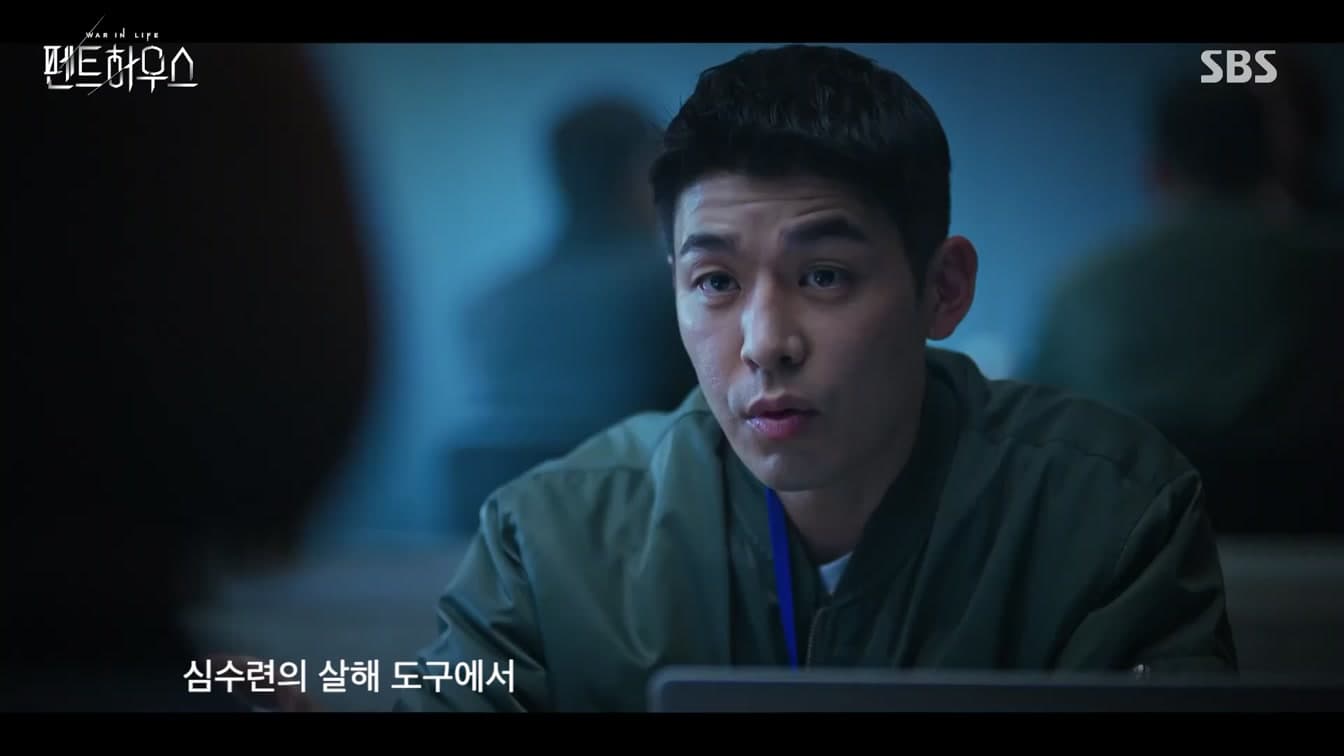
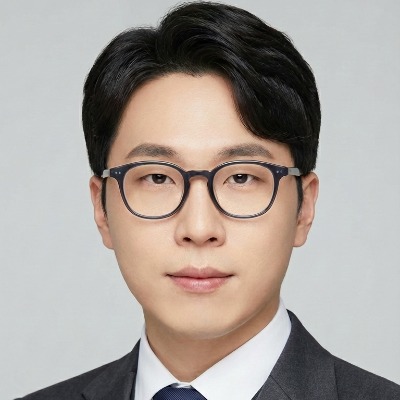
Before he became one of the most recognized faces on Korean television through the megahit drama The Penthouse, actor Yoon Jong-hoon spent years as an anonymous extra earning barely enough to cover a meal. In a candid appearance on TV Chosun's Baekban Gihaeng (Heo Young-man's Korean Food Travel) that aired on March 15, the 42-year-old actor pulled back the curtain on the harsh realities of his early career — and the story resonated deeply with viewers and fellow actors alike.
Joining the beloved food travel show alongside legendary cartoonist Heo Young-man, Yoon explored the traditional restaurants of Nonsan, South Chungcheong Province. But it was his unfiltered reflections on his pre-fame years that stole the spotlight, offering a rare and honest look at what it truly takes to survive in the Korean entertainment industry before the big break arrives.
The 'Shoulder Actor' Who Refused to Give Up
Yoon Jong-hoon made his television debut in 2013 with the drama Monstar, but the road that led him there was anything but glamorous. Before entering the world of TV dramas, he had spent years performing in theater and stage productions, building his craft far from the cameras and mainstream attention.
When he finally transitioned to television, the reality was sobering. Yoon described himself as an "shoulder actor" — a Korean industry term for background performers who appear briefly on screen, often identifiable only by their physical mannerisms rather than any substantial dialogue or character arc. He recalled that his signature on-screen habit during those early roles was a subtle shoulder shrug, a nervous tic that became his unofficial trademark among casting directors.
The financial reality was even more striking. When host Heo Young-man asked about his pay during those lean years, Yoon revealed that he earned approximately 200,000 won (roughly $150) per episode. To put that in perspective, a single episode could take as long as ten days to film, meaning his effective daily rate was a fraction of minimum wage. Despite the grueling conditions and minimal compensation, Yoon told Heo that pride was never a factor in his decision-making at that stage. He simply wanted to act, and he was grateful for any opportunity to be on set.
From the Margins to the Penthouse
Yoon's persistence through those difficult early years gradually began to pay off as he accumulated a quietly impressive portfolio of supporting roles in some of Korean television's most acclaimed dramas. He appeared in Reply 1994, the beloved nostalgia drama that became a cultural phenomenon. He took on a role in Misaeng, the critically acclaimed workplace drama adapted from a webtoon that resonated with an entire generation of Korean office workers.
He went on to appear in Another Oh Hae-young and Youth Generation, steadily refining his craft and expanding his range with each project. Yet for years, he remained in the category of actors whose faces audiences recognized without being able to name — a common and often frustrating position in the Korean entertainment landscape where the gap between recognition and stardom can feel insurmountable.
Everything changed with The Penthouse: War in Life, the explosive SBS drama that became one of the highest-rated Korean series of its era. Yoon's portrayal of Ha Yoon-cheol, the conflicted and morally complex husband caught between loyalty and ambition, catapulted him from reliable supporting player to genuine household name. The role showcased a dramatic intensity that years of theater training and small-screen persistence had quietly forged, and audiences responded with a fervor that surprised even Yoon himself.
A Philosophy Shaped by Struggle
In previous interviews, Yoon has spoken about how his years of obscurity fundamentally shaped his approach to both acting and life. He has cited television host Yoo Jae-seok as a personal role model, not for his comedic talent, but for his consistency and the way he serves as a positive influence on those around him. Yoon has expressed a desire to be the same kind of figure in his own sphere — someone whose success is defined not just by ratings or fame, but by the example they set for others navigating the same difficult path.
His story carries particular weight in an industry where the survival rate for aspiring actors is notoriously low. For every performer who breaks through to lead roles and public recognition, hundreds quietly exit the profession after years of minimal pay and limited opportunities. Yoon's willingness to speak openly about the financial and emotional toll of that journey provides a valuable counternarrative to the glamorous image that Korean entertainment often projects.
What Comes Next for Yoon Jong-hoon
Currently, Yoon is starring in the daily drama Our Happy Good Days (기쁜 우리 좋은 날), continuing to build on the momentum that The Penthouse created. The show has allowed him to explore a different register from the high-stakes melodrama that made him famous, demonstrating the versatility that his long apprenticeship in the industry cultivated.
His Baekban Gihaeng appearance served as a reminder that behind every overnight success story in Korean entertainment lies years — sometimes decades — of invisible labor. For Yoon Jong-hoon, the journey from a nervous shoulder-shrugging extra earning $150 an episode to a leading man commanding millions of viewers was never inevitable. It was earned, one grueling ten-day shoot at a time.
As he continues to take on new challenges and share his story with increasing openness, Yoon has become something more than just a successful actor. He has become a symbol of what quiet determination looks like in an industry that often rewards only the loudest voices — and that, perhaps, is his most compelling performance of all.
How do you feel about this article?
저작권자 © KEnterHub 무단전재 및 재배포 금지
Entertainment Journalist · KEnterHub
Entertainment journalist specializing in K-Pop, K-Drama, and Korean celebrity news. Covers artist comebacks, drama premieres, award shows, and fan culture with in-depth reporting and analysis.
Comments
Please log in to comment