Yoon Si-yoon Revisits Kim Tak-gu Turning Point
 By Jang Hojin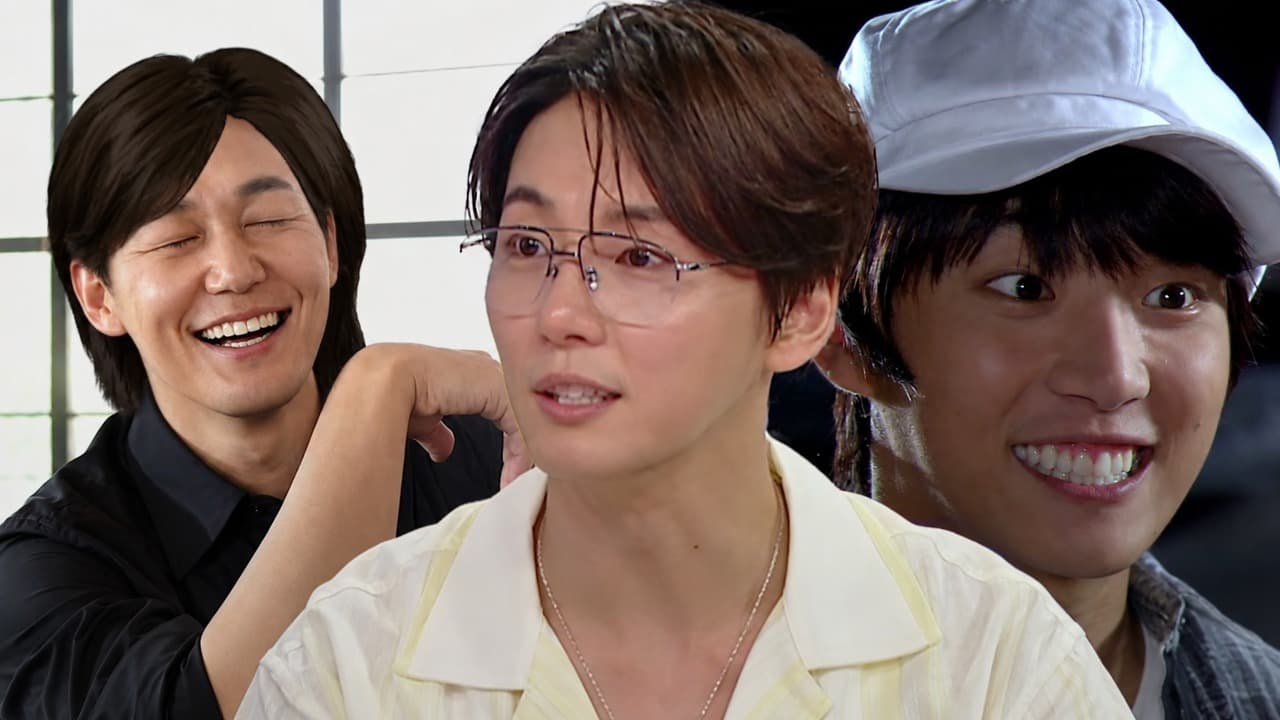
Yoon Si-yoon turned a short entertainment clip into a compact acting memoir this week, using MBC's Radio Star to revisit the uncertainty that surrounded his leap from sitcom newcomer to the lead of one of Korea's most watched dramas. According to MBC Entertainment's official YouTube channel, the actor looked back on the period when Baker King, Kim Tak-gu was still a risky proposal rather than a proven national hit, and he described how doubt from the industry, pressure on set, and quiet help from senior actors shaped the performance that became his signature role.
The July 1 upload centers on Yoon's appearance in the "National Representative Sons" special of Radio Star, where the tone moves between comedy and career reflection. The clip opens with the actor explaining that becoming Kim Tak-gu was not something he could have planned. After gaining public recognition through High Kick Through the Roof, he was suddenly considered for his first leading role in a traditional drama. That jump, he said, prompted serious resistance around him because he was still viewed as a sitcom actor with limited dramatic experience.
Rather than presenting the casting as a simple success story, Yoon framed it as a moment that nearly went the other way. He recalled meeting the production team at a time when, in hindsight, they appeared ready to apologize and move on from him. Unaware of that atmosphere, he arrived prepared and spoke earnestly about how he was approaching the character. The sincerity and brightness he showed in that meeting reportedly made the team reconsider, because Kim Tak-gu was also a character who carried painful circumstances with disarming optimism.
A Casting Decision That Almost Changed Course
The most compelling part of the story is not that Yoon eventually won the role, but that the decision seems to have depended on a fragile human impression. The actor did not claim that one polished audition solved every concern. Instead, he described a meeting in which his unguarded enthusiasm happened to align with the emotional engine of the drama. The producers were looking for a lead who could move through hardship without losing a bright center, and Yoon's own manner in that room suggested a possible answer.
That detail gives the Radio Star segment value beyond nostalgia. Baker King, Kim Tak-gu became a phenomenon in 2010, but its memory can obscure how much risk was attached to casting a relatively new actor at the center of a family melodrama. Yoon noted that the drama began with ratings in the mid-teens and later climbed close to the 50 percent mark, a trajectory almost impossible to imagine in today's fragmented viewing market. The numbers matter because they show how quickly a contested decision became a defining television event.
For international K-drama fans who encountered Yoon later through projects such as Flower Boy Next Door or Psychopath Diary, the clip also functions as a useful origin story. Kim Tak-gu was not simply an early line in his filmography. It was the role that locked him into the public imagination as a sincere, resilient leading man. Hearing him describe the doubts behind that role makes the polished drama image feel less inevitable and more earned.
The discussion also connects with preview reports for the same Radio Star episode, which emphasized Yoon's famously disciplined lifestyle. He reportedly spoke about minute-by-minute routines, early mornings, vocal practice, running, and even a "forbidden box" for his phone. Those habits can sound eccentric in isolation, but the YouTube clip puts them in a clearer career context. Yoon's orderliness is not just a variety-show quirk; it reads as a survival method built by an actor who remembers how unstable a first major opportunity felt.
How Senior Actors Helped Him Find the Tears
The second half of the clip shifts from casting to the actual work of performing. Yoon said the early filming period was emotionally difficult because the drama required repeated crying scenes before he had fully learned how to summon that level of feeling on command. He described moments when the crew waited for him, only for the tears not to come, and how the delay made the next attempt even harder. The story is funny in the studio, but underneath the laughter is a recognizable account of pressure on a young lead.
One anecdote involving Park Sung-woong gives the segment its memorable comic turn. Yoon recalled a scene in which his character had to react to painful news connected to his mother. When he struggled to cry, Park reportedly stayed behind and tried to help him focus by acting out the motherly emotional context himself. The image of a senior actor with an imposing presence suddenly performing that role drew laughter from the Radio Star panel, but Yoon's larger point was affectionate: the senior cast was trying to protect a younger actor from collapsing under the weight of the scene.
That memory also reframes the culture of a busy drama set. From the outside, a hit production can look like a machine that simply produces iconic scenes. Yoon's recollection shows something more precarious. A young actor may be carrying the title role, but his performance is shaped by co-stars, directors, and crew members who absorb delays, offer emotional cues, and help him cross a technical threshold. The eventual confidence viewers saw on screen was built through those small acts of support.
The clip includes another layer of humility because Yoon did not romanticize the struggle as instant mastery. He suggested that after finally completing one difficult crying scene, he began to understand the feeling of controlling tears as an actor. That turning point did not erase the difficulty, but it gave him a tool. In an industry where young performers are often judged by finished scenes, his explanation highlights the messy process that precedes a breakthrough.
Why The Story Still Resonates
The renewed interest in the Baker King, Kim Tak-gu backstory arrives at a time when Korean variety programs increasingly function as archives for drama history. A short official YouTube upload can reintroduce a classic hit to younger viewers while giving longtime fans a new emotional angle. In this case, Radio Star does not merely recycle a famous title. It uses Yoon's memory to show how casting anxiety, ratings pressure, and mentorship intersected during a pivotal period in Korean television.
For Yoon, the story reinforces the public image of an actor who pairs earnestness with self-discipline. His variety persona often leans into meticulous habits and clean living, but the Kim Tak-gu anecdote gives those traits a dramatic origin. He seems to approach work with structure because he knows how easily a chance can disappear. That sense of gratitude and alertness is likely why the story lands warmly rather than as simple self-promotion.
The YouTube clip is also well suited to global fans because it provides a digestible entry point into a drama that remains historically important but may feel distant to newer audiences. The mention of near-50 percent ratings is not just trivia; it signals a different era of Korean broadcasting, when a family drama could become a nationwide weekly conversation. By connecting that scale to the uncertainty of one actor's casting, MBC's upload makes the achievement feel personal again.
As Radio Star continues to mine candid memories from established stars, Yoon Si-yoon's segment stands out because it balances humor with craft. The funny image of Park Sung-woong helping a crying scene will travel easily online, but the lasting takeaway is more substantial. Yoon's defining role was not handed to him as a clean career step. It emerged from a risky vote of confidence, a young actor's stubborn preparation, and a set full of people willing to help him become ready in real time.
How do you feel about this article?
저작권자 © KEnterHub 무단전재 및 재배포 금지
Entertainment Journalist · KEnterHub
Entertainment journalist specializing in K-Pop, K-Drama, and Korean celebrity news. Covers artist comebacks, drama premieres, award shows, and fan culture with in-depth reporting and analysis.
Comments
Please log in to comment