Youngtak Reveals How Kkeokgeo Won Him Over
 By Seung Jung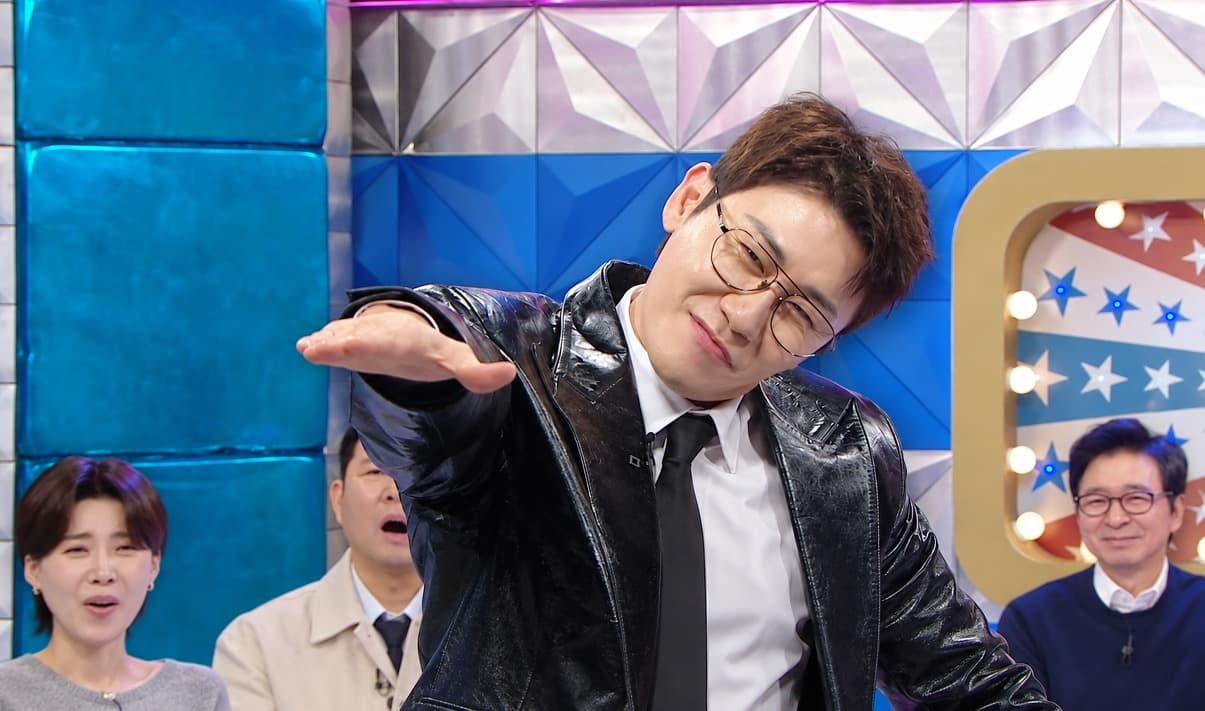
Youngtak turned a title-track decision into variety-show storytelling on “Radio Star,” using his latest MBC appearance to explain how “Kkeokgeo” became the lead song for his third full-length album. MBC Entertainment uploaded the official clip on September 23, and the short segment quickly stands out because it shows the singer discussing an internal creative disagreement with humor rather than tension.
According to the MBC Entertainment YouTube clip, Youngtak said he had originally hoped to promote a different song from the album. A blind listening process and internal review eventually pushed support toward “Kkeokgeo,” leaving the singer to accept that the team around him heard the comeback differently than he did. He framed the story lightly, joking that he had been “bent” before the song was even released, a wordplay connected to the Korean title.
The clip comes from MBC’s long-running talk show “Radio Star,” where Youngtak returned after roughly three years. Related Korean reports said the episode also touched on his earlier hit “Ni Ga Wae Geogiseo Nawa,” his acting challenges and the broader comeback around his third studio album. The YouTube highlight narrows that wider conversation to the practical question every comeback faces: which song should represent the era?
The Title Track That Changed Course
That question can be especially delicate for a singer-songwriter with a strong personal sense of stage identity. Youngtak’s public image has long combined vocal confidence, trot-pop energy and an easygoing entertainer’s instinct. When he says the song he wanted was not the one that ultimately received the strongest support, he is revealing a small but familiar part of the album-making process: artists often balance instinct with the response of producers, staff and listeners who hear the music at an earlier stage.
The reason the story works on television is that Youngtak does not present the decision as a defeat. He describes the process as a moment of adjustment, then shifts into performance mode. In the clip, he demonstrates choreography and receives playful reactions from the studio, turning what could have been a dry production anecdote into a live explanation of why “Kkeokgeo” can function on stage.
For international readers, the title’s humor is part of the appeal. “Kkeokgeo” carries the sense of bending or breaking in Korean, and Youngtak’s joke about being bent by the selection process lets the song title and the behind-the-scenes story mirror each other. It is a simple variety-show device, but it gives the comeback a memorable hook beyond the usual release schedule.
Why Radio Star Is the Right Stage
MBC Entertainment’s official YouTube upload also shows how Korean broadcast clips now support music promotion after an episode airs. A three-minute highlight can travel separately from the full program, reach fans who did not watch live, and give search users a clear entry point into the album narrative. For Youngtak, whose audience spans music fans and variety viewers, that bridge is valuable.
The “Radio Star” setting helps because it rewards artists who can explain themselves without sounding overly scripted. Youngtak uses the format well: he gives enough detail about the title-track selection to make the story feel specific, but he keeps the tone bright and self-aware. That balance prevents the anecdote from sounding like an internal dispute and instead presents it as a funny step toward the final comeback package.
The segment also underlines why variety appearances remain powerful for Korean soloists. A music video or stage can show the finished product, but a talk-show clip can show the personality behind it. Youngtak’s explanation lets viewers see him negotiating, joking, accepting feedback and then selling the song through performance. Those layers can make a comeback feel more human.
A Comeback Story Fans Can Remember
It is also a smart fit for a holiday-season broadcast atmosphere. Related previews described the episode as a light, laughter-oriented special, and the YouTube clip keeps that energy. Rather than leaning into conflict, the highlight turns creative compromise into a punchline and a promotional point. The result is a clip that works for fans of Youngtak, viewers of “Radio Star” and casual users looking up the new title track.
Looking ahead, the value of the “Kkeokgeo” story will depend on how well the song connects beyond the broadcast. The clip gives the comeback a narrative: Youngtak may not have started with this track as his personal first choice, but he found a way to own it publicly. That kind of story can help a title track stick, because listeners remember not only the sound but the route it took to the stage.
For now, the official MBC highlight does what a good comeback clip should do. It confirms the album context, gives fans a quotable moment without requiring direct controversy, and shows the singer actively shaping the audience’s first impression of the song. Youngtak’s title-track tale is ultimately less about losing an argument and more about trusting the final performance enough to laugh about the road that led there.
The clip also benefits from the way Youngtak explains the decision without overcomplicating it. He does not ask viewers to understand every step of album production; he gives them a relatable version of a professional process. Many artists enter a comeback with a favorite song, but the eventual title track has to satisfy more than personal attachment. It must carry the album’s message, work on television, suit choreography and connect quickly with listeners who may only hear one track first.
That broader context makes the “Kkeokgeo” anecdote useful for fans following the album. It suggests the title track was not chosen casually, and that the team tested reactions before settling on the song. The blind-listening detail is especially important because it implies the track earned support through sound and impact rather than only through image or pre-existing preference.
Youngtak’s variety skill turns that process into entertainment. He can acknowledge that his preferred direction changed while still making the final choice feel exciting. In a comeback environment, that is valuable. Fans do not want to feel that a title track is a compromise in the negative sense; they want to feel that the artist arrived at the song with a story, a reason and confidence. The “Radio Star” clip gives them that narrative.
The official upload also keeps the focus on music rather than private-life speculation. Related reports mention that the wider episode included other stories, but the MBC highlight used here is strongest when it stays with the album, the title-track debate and the performance demonstration. That makes it a clean K-entertainment news item: a soloist explaining his comeback process on a major variety program, with enough humor to travel beyond the broadcast.
How do you feel about this article?
저작권자 © KEnterHub 무단전재 및 재배포 금지
Senior Entertainment Correspondent · KEnterHub
Senior entertainment correspondent with a wide-angle view of Korean show business. Seung Jung covers celebrity news, variety television and award season, and writes the interviews and features that connect individual stories to the larger currents of Korean entertainment.
Comments
Please log in to comment