5 Museums Just Reinvented Themselves for BTS Fans
 By Jang Hojin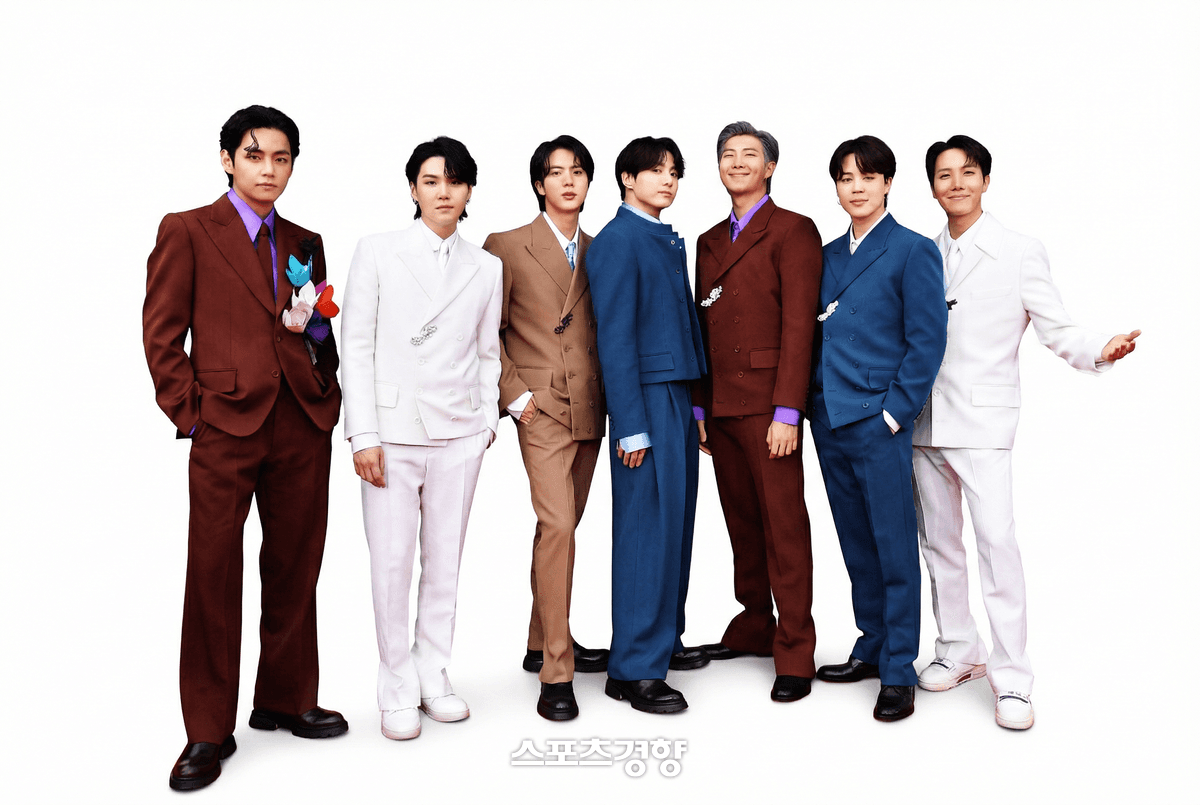
South Korea's Ministry of Culture has launched an unprecedented initiative that transforms five of the nation's most prestigious cultural institutions into immersive K-Culture destinations, all timed to coincide with BTS's historic comeback concert at Gwanghwamun on March 21, 2026. The sweeping program, which kicked off on March 20, represents the most ambitious government-backed effort to date to bridge K-pop fandom with Korea's deep cultural heritage — and it signals a bold new chapter in how nations leverage their biggest cultural exports.
With an estimated 300,000 fans expected to flood central Seoul for the septet's open-air comeback show, the Ministry recognized a once-in-a-generation opportunity. Rather than simply managing crowd logistics, officials chose to turn the entire capital into a living museum experience, ensuring that the global ARMY descending on Korea walks away with far more than concert memories.
Ancient Treasures Through a BTS Lens
The National Museum of Korea, home to some of the peninsula's most sacred artifacts, is leading the charge with a program that would have seemed unthinkable a decade ago. The museum has produced English-language video guides specifically highlighting artifacts that BTS members have publicly expressed admiration for, including the iconic Pensive Bodhisattva — a sixth-century gilt-bronze masterpiece — and the elegant Moon Jar, a minimalist white porcelain piece from the Joseon dynasty that has become a symbol of Korean aesthetic philosophy.
But the museum's most headline-grabbing move is a collaboration with HYBE, BTS's management company, to create an exclusive "BTS Album Merch" line incorporating museum artifact imagery. The collection, which went on sale March 20, reimagines ancient Korean art through the lens of contemporary design, offering fans tangible keepsakes that carry centuries of cultural weight. It is a shrewd fusion of commerce and education — fans who purchase items adorned with the Pensive Bodhisattva's serene silhouette may find themselves drawn to learn the story behind the sculpture itself.
A Giant Sound Cube and the Rise of K-Art
At the National Museum of Modern and Contemporary Art, the approach is decidedly more experiential. The MMCA has unveiled its "Meet the K-Art" program, running from March 20 through April 19, which invites foreign visitors to engage with Korean contemporary art through guided tours, interactive installations, and artist talks conducted in multiple languages.
The centerpiece is impossible to miss. A massive 8-by-8-by-6-meter structure dubbed the "BTS Sound Cube" now dominates the museum's outdoor plaza. The installation envelops visitors in a synchronized media projection experience layered with BTS's discography, creating a sensory environment where visual art and music collide. The cube represents a growing trend in Korean cultural programming — the understanding that immersive, Instagram-worthy installations can serve as powerful gateways to deeper artistic engagement.
For international visitors who may have traveled to Seoul primarily for the concert, the MMCA program offers an accessible entry point into Korea's thriving contemporary art scene, one that has increasingly gained global recognition through events like the Gwangju Biennale and the rapid rise of Korean artists in international auction markets.
Traditional Games, Saturday Performances, and the Spirit of 'RUN BTS'
The National Folk Museum has taken perhaps the most playful approach with its "BTS K-Culture Folk Culture" program, running through April 30. The museum has constructed a "K-Playground" where visitors can try their hand at traditional Korean games — tuho (arrow throwing), top spinning, and jegi chagi (a shuttlecock-kicking game) — all of which appeared in episodes of the wildly popular variety series "RUN BTS" on YouTube.
The genius of this programming lies in its recognition of how BTS has already done much of the cultural heavy lifting. Millions of international fans have watched the members fumble through tuho matches and collapse laughing over jegi chagi competitions. The Folk Museum is simply completing the circuit, giving those same fans the chance to physically inhabit the experiences they have only watched on screen. It transforms passive viewership into embodied cultural participation.
Every Saturday during the program, the museum grounds come alive with "K-Heung Hanmadang" — special performances that blend traditional Korean instruments and rhythms with BTS tracks like "IDOL" and "ON." Performers in hanbok reinterpret the group's music through gayageum, janggu, and pungmul traditions, creating a visceral demonstration of how contemporary K-pop is rooted in centuries of Korean musical DNA. The choice of "IDOL" is particularly apt — the song's original production already sampled Korean folk chants, making its live reinterpretation through traditional instruments feel less like a novelty and more like a homecoming.
Time Capsules, Arirang, and Literary Roots
The National Museum of Korean Contemporary History contributes two deeply meaningful programs. The first is a continued exhibition of the time capsule that BTS donated to the museum — a collection of personal items and messages from each member that will remain on display through May 31. The capsule has become a pilgrimage site for fans, but more importantly, it positions BTS within the broader narrative of Korean contemporary history, alongside artifacts from the nation's democratization movement, economic development, and cultural evolution.
The museum's second offering is an educational program called "Arirang of Rok," designed primarily for younger visitors. The program draws a fascinating through-line from the centennial of the 1926 silent film "Arirang" — a landmark in Korean cinema and national identity — to BTS's own rendition of the folk song in 2026. By linking these two cultural moments separated by exactly a century, the program teaches children that the emotions embedded in Korea's most famous melody have been continuously reinterpreted by each generation, with BTS as the latest in a long lineage of artists who have carried Arirang forward.
Meanwhile, the National Library of Korea has opened "Books That Inspired BTS Music," an exhibition running through April 12 that showcases the literary works woven into the group's discography. Featured prominently are Kim Yeong-rang's poem "Until the Peonies Bloom" and Yun Dong-ju's "Boy" — texts that BTS leader RM has cited as influences on the group's lyrical philosophy. The exhibition includes an interactive media art installation called "Author's Notes," which visualizes the creative process linking written word to recorded song. For a group that has built its identity partly on literary references — from Hermann Hesse's "Demian" to Ursula K. Le Guin's "The Ones Who Walk Away from Omelas" — the library exhibition feels like long-overdue institutional recognition of BTS's role in driving young people toward reading.
What This Means for Cultural Diplomacy
The scale and coordination of these programs reveal something significant about where South Korea's cultural strategy is heading. For years, the government has supported the Korean Wave through export-focused initiatives — subsidizing K-drama distribution deals, funding K-pop showcases at overseas festivals, and promoting Korean cuisine abroad. This initiative represents a philosophical shift: instead of sending Korean culture out, the Ministry is using BTS as a gravitational force to pull the world in.
The approach carries risks. Tying national cultural programming too closely to a single pop act could be seen as reducing centuries of heritage to a marketing vehicle. But the execution across all five institutions suggests a more sophisticated calculus. None of the programs treat BTS as the endpoint — they use the group as a doorway. A fan who enters the National Museum to see the Moon Jar because of a BTS connection may leave with a genuine appreciation for Joseon-era ceramics. A visitor who plays tuho at the Folk Museum may develop curiosity about the Confucian court rituals where the game originated.
This is cultural diplomacy at its most pragmatic. South Korea has recognized that it possesses both the world's most passionate organized fandom and some of Asia's richest cultural institutions. The March 2026 programs represent the first truly systematic attempt to connect those two assets at national scale.
As 300,000 fans prepare to gather at Gwanghwamun for what promises to be one of the largest live music events in Korean history, the five institutions stand ready to ensure that the cultural impact of BTS's comeback extends far beyond a single evening of music. For the foreign fans who make the pilgrimage, Seoul is offering something no other capital can match right now: a city where the world's biggest band and 5,000 years of civilization are, for a few extraordinary weeks, part of the same story.
How do you feel about this article?
저작권자 © KEnterHub 무단전재 및 재배포 금지
Entertainment Journalist · KEnterHub
Entertainment journalist specializing in K-Pop, K-Drama, and Korean celebrity news. Covers artist comebacks, drama premieres, award shows, and fan culture with in-depth reporting and analysis.
Comments
Please log in to comment