BTS Busan Shows Test the Next K-Pop Tourism Model
The ARIRANG concerts are turning Busan into a live case study in fan travel, fair lodging and city branding.
 By Park Chulwon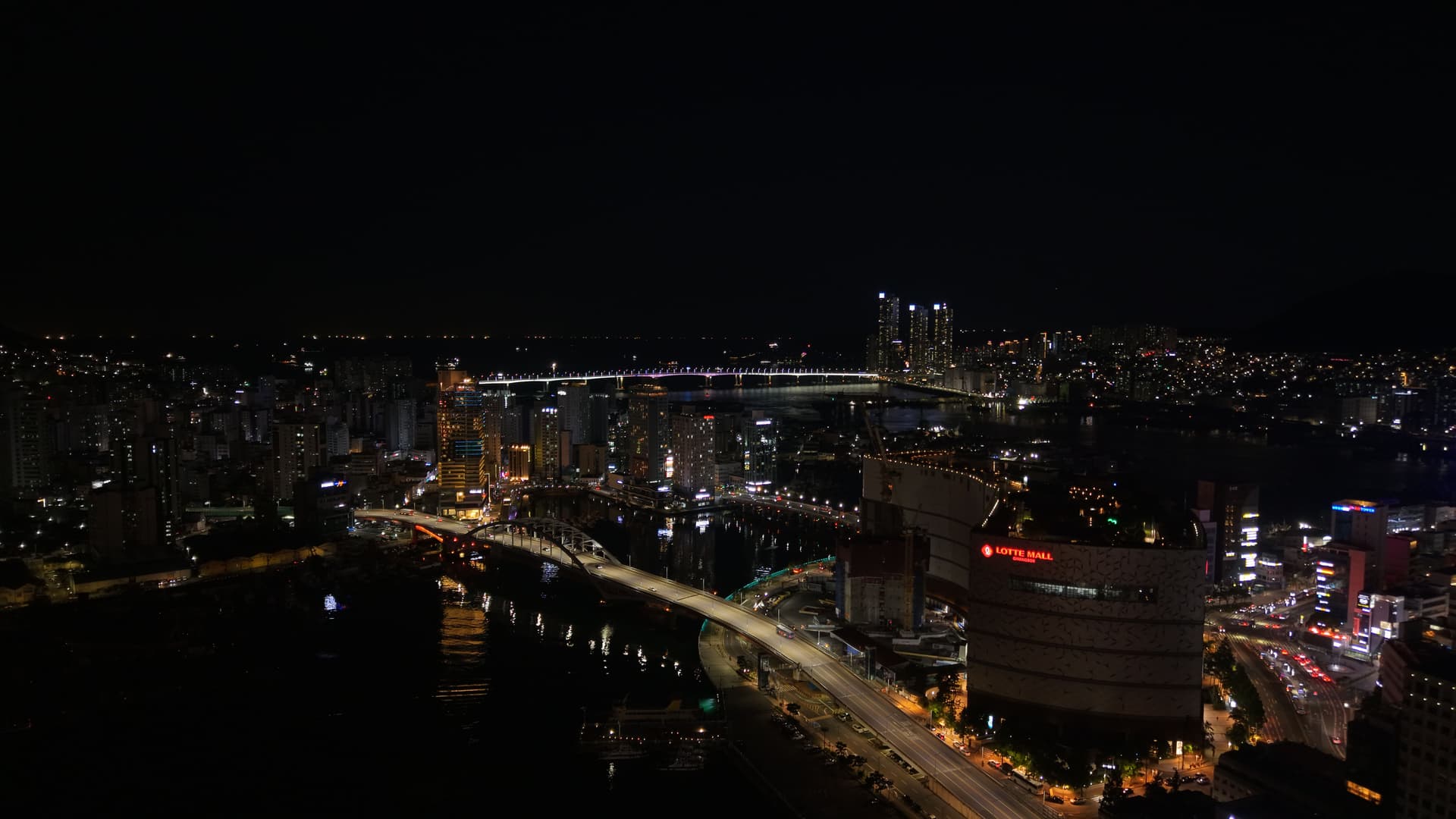
BTS's Busan concerts are becoming a test of how a city handles fandom at scale.
The group's upcoming "ARIRANG" shows in Busan on June 12 and 13 are no longer just a live-music event. They have turned into a citywide stress test for tourism policy, hotel pricing, transport planning, local hospitality, and Korea's larger ambition to convert K-pop attention into repeat travel. This article analyzes why BTS's Busan moment matters as a model for the next stage of K-entertainment tourism: concerts that do not simply fill stadiums, but temporarily reorganize an entire city's economy.
The core question is direct. Can Busan turn a weekend of global fan demand into long-term trust, or will short-term price gouging weaken the very brand the city is trying to build?
From Concert Ticket To City Itinerary
Large K-pop concerts now begin long before the first song. For fans flying into Korea, the journey includes flights, hotels, restaurants, cafes, pop-up events, transport routes, merchandise stops, and social-media pilgrimages. In Busan, that journey is expanding beyond the stadium into a broader urban experience built around the city's beaches, night views, food culture, and fan events.
The shift is important because it changes what a city is selling. Busan is not only hosting BTS. It is inviting global ARMY to spend two or three days inside a city narrative: arrive, gather, move safely, eat locally, share photos, and leave with a memory strong enough to justify a return trip. That is why the economic value of the concerts cannot be measured only through ticket sales.
But the same fan intensity that creates opportunity also exposes weak points quickly.
Korean reports ahead of the shows describe an immediate surge in travel demand. One report, citing Hotels.com data, said overseas searches for Busan rose 2,375% in the 48 hours after the tour plan was announced, while overseas searches for Seoul rose 155%. The gap is revealing. BTS did not merely increase interest in Korea; it redirected attention to a specific city that is still building its identity as a stay-oriented global tourism hub.
The Numbers Behind The BTS Effect
The best evidence for the Busan opportunity comes from earlier BTS events. According to figures cited in Korean coverage, foreign visitors around the Goyang concert area in April rose 35 times during the three-day period, while card spending increased 38 times. Those figures explain why local governments now view K-pop concerts as more than entertainment. They are temporary demand engines.
Busan is already seeing similar signs. News1 reported that foreign guest share at one resort in the Osiria area reached 42% for the June 11-13 performance window, compared with 0.2% a year earlier. For June as a whole, foreign room use at the same property reportedly rose about tenfold year over year, and individual foreign travelers increased 7.6 times. Even areas outside the obvious stadium corridor are being pulled into the concert economy.
These numbers show why the concert should be understood as a tourism platform. A stadium show concentrates desire, but the city captures value only if fans stay, move, eat, shop, and feel safe enough to recommend the trip. That is the difference between a one-night event and a destination strategy.
Still, the upside is inseparable from the pricing controversy.
Why Hospitality Became The Real Headline
The loudest risk around the Busan concerts has been accommodation. Korean reports said some lodging businesses sharply raised prices after demand spiked, with one official survey finding average increases of 2.4 times and some rooms rising as much as 7.5 times their usual rate during the concert week. Another reported case involved a room originally booked around 90,000 won being canceled and later offered at roughly 700,000 won.
For ordinary tourism, this would be a pricing dispute. For K-pop tourism, it becomes a brand issue. Fans are emotionally invested, internationally networked, and quick to document unfair treatment. A bad hotel experience does not stay between a guest and a booking platform; it travels through fandom communities in multiple languages.
Busan's response is therefore just as important as the original problem. The city has moved to expand lower-cost options through public facilities, temples, institutions, and a citizen homestay model. Busan-based reporting said the fair-lodging effort had grown to roughly 1,400 available spots, while a planned citizen home-share program would match overseas fans with local households for a two-night, three-day stay through a regulated platform.
The concert can fill rooms for a weekend, but fair treatment is what makes fans want to come back.
That distinction is the strategic lesson. A city that treats fandom as a captive market may earn short-term revenue and lose long-term trust. A city that treats fandom as a returning visitor base can turn one concert into future tourism demand. In that sense, Busan's lodging policy is not a side story. It is the center of the case study.
Busan As A K-pop Tourism Model
Busan has advantages that many concert cities would want: a coastal identity, established tourism districts, transport links, food culture, and an existing international image through film festivals and port-city branding. BTS adds a global emotional trigger to that infrastructure. The result is a rare chance to make the city itself part of the performance.
The strongest version of this model goes beyond banners and purple lighting. It requires clear multilingual guidance, late-night transport, transparent hotel rules, crowd safety, neighborhood-level spending routes, and programs that encourage fans to explore beyond the main venue. If fans discover Gwangalli, Haeundae, Osiria, local markets, and nearby regional trips because of BTS, the concert becomes a gateway rather than a closed event.
International comparisons support the logic. Taylor Swift's Eras Tour showed how mega-concerts can reshape hotel demand and city spending far beyond the arena. The details differ, but the principle is similar: modern live music creates a temporary tourism system. K-pop's difference is that fandom organization is already transnational, digitally coordinated, and highly responsive to city-level gestures.
That makes Busan's challenge more demanding. The city is not only competing with other Korean destinations. It is being compared with every global city that has learned how to host high-intensity music tourism without making fans feel exploited.
The Outlook
BTS's Busan concerts could become a turning point for Korean concert tourism if the city converts demand into trust. The numbers suggest major upside: search spikes, hotel spillover, foreign visitor growth, and measurable local spending. The controversy shows the cost of poor coordination just as clearly.
The next step is not simply bigger events. It is better systems. If Busan can make fans feel welcomed rather than harvested, the ARIRANG concerts will leave behind more than a weekend sales bump. They will offer a blueprint for how K-pop cities can turn global fandom into durable urban value.
How do you feel about this article?
저작권자 © KEnterHub 무단전재 및 재배포 금지
Entertainment Journalist · KEnterHub
Entertainment journalist focused on Korean music, film, and the global K-Wave. Reports on industry trends, celebrity profiles, and the intersection of Korean pop culture and international audiences.
Comments
Please log in to comment