EVAN's RIDE OR DIE Turns A K-Pop Exit Into A Solo Test
The former ENHYPEN vocalist's June 22 debut tests whether authorship can steady a high-pressure idol transition.
 By Park Chulwon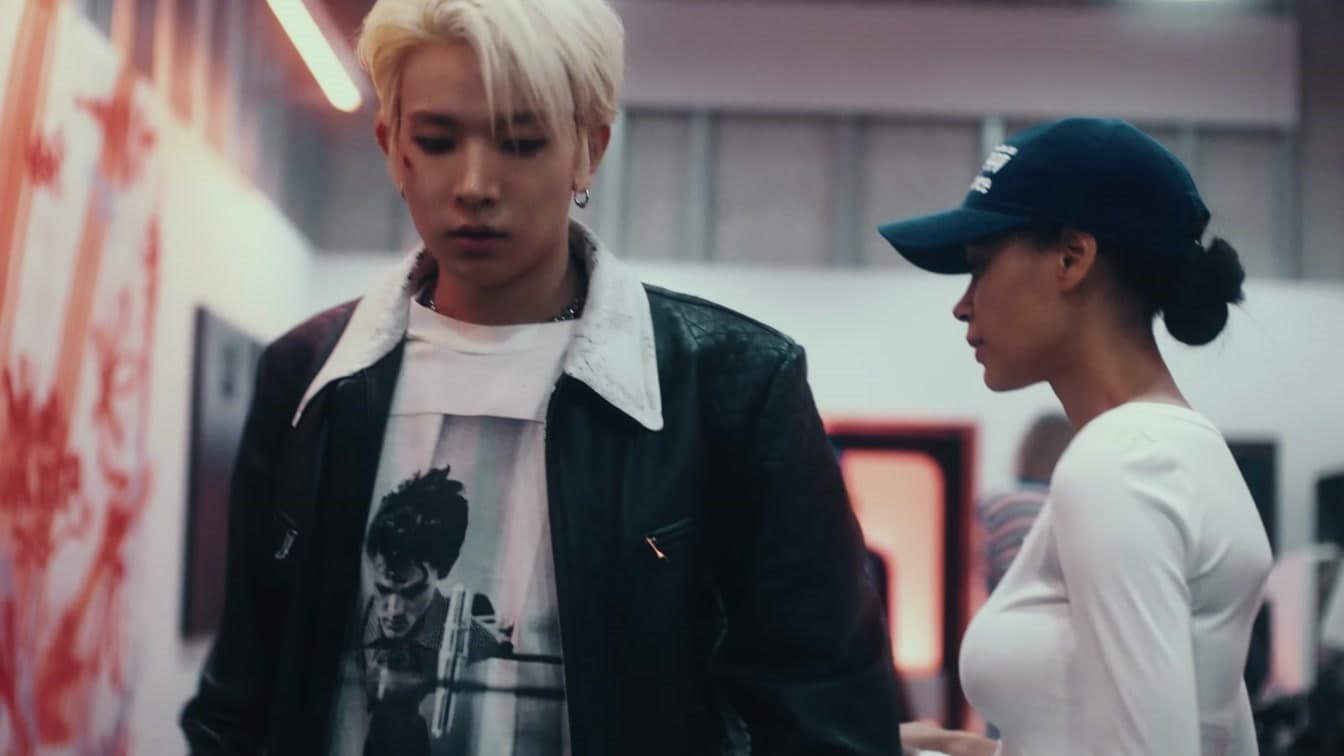
EVAN's first solo single is not just a debut date on the K-pop calendar. On June 22 at 6 p.m. KST, the former ENHYPEN vocalist Heeseung will release RIDE OR DIE under his new name, turning a closely watched group exit into a test of whether a major idol label can convert fandom tension into a credible solo identity.
The stakes are unusually clear. BELIFT LAB has framed the single as a two-track statement shaped by EVAN's own writing, composition, production, and visual direction, while Korean reports describe the title track as alternative rock and the B-side, “Overflow,” as indie pop. That makes the project more than a rebrand. It asks fans to judge whether the artist who once functioned inside ENHYPEN's collective mythology can now carry a distinct emotional and musical argument on his own.
This article analyzes why EVAN's June debut matters for the K-pop business, the ENGENE fandom, and the wider trend of idol members becoming self-directed solo IP without fully leaving the agency ecosystem.
From Group Anchor To Individual Signal
EVAN's transition began with a rupture. He debuted with ENHYPEN in 2020, left the group in March 2026, and remained under BELIFT LAB as he prepared a solo path. Reports from Yonhap and News1 both emphasized the label's explanation that his musical direction had become clear enough to warrant a separate route. That language matters because it positions the move as creative specialization, not a conventional contract break.
But timing changes how audiences read that explanation. The single arrives roughly three months after the departure announcement, which is fast enough to keep fan emotion active but long enough to suggest that the solo architecture was not improvised. In K-pop, where group identity is often treated as the safest commercial container, that speed turns RIDE OR DIE into a public proof-of-concept.
The key question is therefore not whether EVAN can sing; that was already established through ENHYPEN's stages and recordings. The question is whether his new identity can feel inevitable rather than extracted. A solo debut after a group exit succeeds when fans can understand the narrative as growth, not subtraction.
That personal narrative leads directly into the musical choices, because EVAN's first release has to explain the decision without sounding like a press statement.
The Music Strategy Behind RIDE OR DIE
The reported structure of the single is compact but purposeful: two songs, two emotional temperatures, and a visible claim of authorship. The title track “Ride or Die” is described in Korean coverage as an alternative rock song built from pop-rock energy and hyperpop elements, while “Overflow” is described as an indie-pop track that treats emotion as something filling and spilling over. Those descriptions are modest in scale, but strategically useful. They give EVAN a palette that is separate from the polished group spectacle fans already know.
That separation is important. A former group member's first solo release often has to avoid two traps at once: sounding so close to the old group that the debut feels redundant, or swerving so sharply that it alienates the listeners most likely to support it. Alternative rock gives EVAN a bridge. It preserves the intensity and catharsis that idol fandom understands, while allowing rougher textures, vocal strain, and first-person emotion to become part of the selling point.
The decision to reveal demo snippets before release also signals process. Instead of presenting the single only as a finished commodity, EVAN is inviting listeners into the workshop, a move that supports BELIFT LAB's claim that he participated across writing, composition, production, and visual creative direction. In a fandom economy increasingly sensitive to authenticity, the process itself becomes marketing.
The timeline is the business argument in miniature. A 2020 debut created the audience base; a March 2026 departure created uncertainty; a June 11 announcement gave the new name a product; and the June 22 release will determine whether the product can stabilize the story. That compression is risky, but it also keeps attention from cooling.
Still, a clean strategy on paper does not erase the emotional cost of leaving a successful team. The fan response is the real market test.
Fan Trust Is The First Metric
Fan reaction around EVAN has been mixed because two legitimate feelings are colliding. Some fans want to reward an artist taking ownership of his sound. Others are still processing the loss of a familiar ENHYPEN formation, especially because Heeseung's voice and stage presence were central to how many listeners understood the group. That tension is not a side issue. It is the campaign.
The title RIDE OR DIE is therefore loaded. In ordinary pop branding, it can read as loyalty language. In this case, it also speaks directly to fans deciding whether loyalty follows the artist, stays with the group, or splits between both. The phrase gives EVAN a way to acknowledge attachment without reopening every argument about the departure.
This is where the two-track format helps. “Ride or Die” can carry intensity, confession, and forward motion, while “Overflow” can absorb ambiguity. A larger EP might dilute that message; a single song might make it too narrow. Two songs allow him to show contrast without overexplaining. For a debut built under scrutiny, restraint is a useful editorial choice.
The risk is that listeners may treat every lyric as testimony. That is common after a high-profile idol transition, and it can flatten music into evidence. EVAN's challenge is to make the songs stand as songs first. If the work only functions as a response to fandom debate, the solo identity remains dependent on the controversy it is trying to move beyond.
That is why the debut should be read not only as a personal reset, but as part of a wider K-pop industry experiment.
What BELIFT LAB Is Testing
BELIFT LAB's handling of EVAN points to a broader label problem: how to manage individual ambition inside globally scaled groups without treating solo work as a threat to group IP. The old model was sequential. A member built fame in a group, then pursued a solo lane after a long peak or contract transition. The newer model is more flexible, but also messier. Fans expect transparency, artists expect authorship, and companies want to preserve multiple revenue streams.
EVAN sits at the center of that tension because he did not simply release a solo track while remaining an active member. He left ENHYPEN and stayed with BELIFT LAB. That arrangement lets the company retain artist value while separating brand narratives. If it works, it could become a reference point for labels managing members whose creative direction no longer fits the group's immediate strategy.
But success will require more than first-week curiosity. The debut has to establish repeatable signals: a recognizable sonic lane, visual language that belongs to EVAN rather than recycled group aesthetics, and live performances that prove the material can hold attention without ENHYPEN's ensemble architecture. The most important number may not arrive on release day. It may be whether the second solo project has a clearer audience than the first.
That is the real “so what” of this debut. EVAN is not merely asking fans to accept a new name. He is asking the market to accept a new contract between idol identity and authorship, one where the artist's creative claim is strong enough to justify the structural break that made it possible.
Future Outlook
When RIDE OR DIE arrives on June 22, the immediate conversation will likely focus on sound, lyrics, and fan reaction. The longer story will be slower. If EVAN can turn the alternative-rock and indie-pop framing into a coherent performance identity, the debut may soften the shock of his transition and give BELIFT LAB a workable solo blueprint.
If the music feels underdefined, however, the rebrand will remain vulnerable to comparison with ENHYPEN. That is the pressure of this moment. EVAN does not need to answer every question in two songs, but he does need to make one thing clear: the solo path has a reason to exist beyond the fact that it was chosen.
How do you feel about this article?
저작권자 © KEnterHub 무단전재 및 재배포 금지
Entertainment Journalist · KEnterHub
Entertainment journalist focused on Korean music, film, and the global K-Wave. Reports on industry trends, celebrity profiles, and the intersection of Korean pop culture and international audiences.
Comments
Please log in to comment