Lionel Richie Commented on Sung Si-kyung's Endless Love Cover
The Korean ballad artist covered Endless Love with Indonesian star Raisa, and the original songwriter showed up in the comments
 By Park Chulwon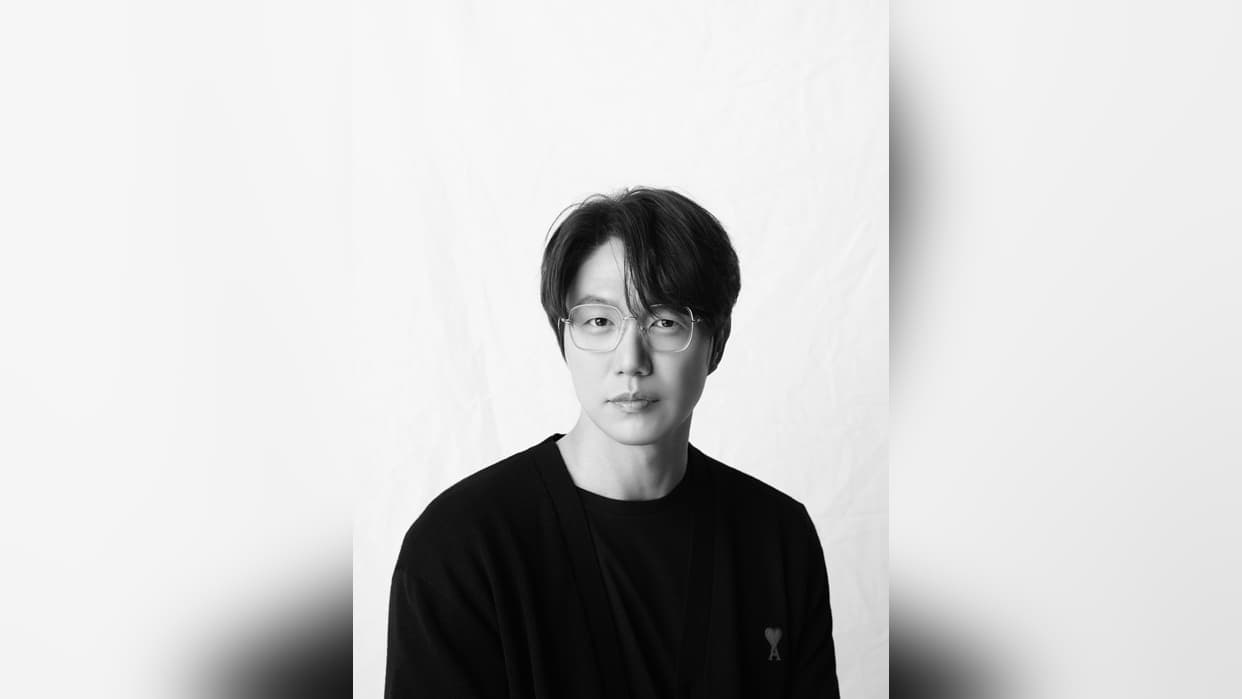
Korean singer Sung Si-kyung released a cover of "Endless Love" on YouTube — and then Lionel Richie, who wrote and recorded the original, showed up in the comments to say he loved it. The two-word response from one of the most celebrated songwriters in pop music history turned a beautiful cover into one of the most heartwarming moments in Korean entertainment this month.
Sung Si-kyung uploaded the cover on April 6, performing the duet alongside Raisa, an Indonesian pop star celebrated for her warm vocals and emotionally resonant ballads. The two artists met somewhere between their very different musical backgrounds and found a shared language in a song that has meant something to audiences for over four decades. The harmonies were careful, unhurried, romantic in the way the original demands — and fans responded immediately with praise across platforms.
Lionel Richie Appeared in the Comments
What elevated the moment from "excellent cover" to genuine viral news was what happened next. Lionel Richie — the American musician behind "Hello," "Say You Say Me," "All Night Long," and dozens of other songs that defined the sound of 1980s pop — left a comment on Sung Si-kyung's social media post. Two words: "Love it."
For context, Lionel Richie is one of the most decorated artists in the history of American popular music. He has sold over 100 million records worldwide, won an Academy Award, a Golden Globe, and multiple Grammy Awards. "Endless Love," the song Sung Si-kyung and Raisa covered, was originally recorded as a duet with Diana Ross in 1981 and became one of the defining romantic songs of the era. The idea that the man who wrote and recorded the original version sought out a Korean cover, listened, and chose to respond publicly — however briefly — was not something anyone expected.
Sung Si-kyung did not let the moment pass quietly. He captured the comment, shared it on his own social media, and wrote his response: "I am so honored and happy that our cover reached you." The exchange, from the initial upload to Richie's comment to Sung Si-kyung's response, unfolded publicly and warmly — a small thread of genuine connection between artists separated by language, generation, and genre.
Who Is Sung Si-kyung?
Sung Si-kyung has been one of Korea's most consistent and beloved ballad artists for over two decades. Since his debut in 2002, he has built a career around a voice that Korean audiences describe as soft, reliable, and comforting — the kind of voice that people listen to when they want to feel something specific but cannot name exactly what. Songs like "Sometimes," "Two People," and "You Are My Everything" have become permanent fixtures in Korean pop music memory.
He is also, increasingly, an artist who has extended his reach through collaboration. The partnership with Raisa reflects a broader trend in Korean music, where artists are building genuine cross-border connections rather than simply entering other markets with Korean-language content. Raisa, for her part, has been one of Southeast Asia's most internationally recognized pop voices — her reputation for emotional depth and melodic clarity made her an intuitive choice for a song like "Endless Love."
The Cover Itself
"Endless Love" is not an easy song to cover well. The original carried the weight of two very particular voices — Lionel Richie's warmth and Diana Ross's power — and any version that tries to replicate rather than reinterpret risks feeling like imitation. What Sung Si-kyung and Raisa delivered, according to the reception the video received, was something closer to a genuine reimagining: slower in places, more intimate, the harmonies more conversational than declarative.
Korean fans noted that the cover highlighted qualities in Sung Si-kyung's voice that his own Korean-language recordings sometimes obscure — a particular gentleness when he navigates English lyrics, an absence of the tension that sometimes appears when he performs more dramatically demanding material. Raisa brought a texture to the upper register of the duet that complemented rather than competed with his approach. Together, the performance worked in the way that the best covers work: as a conversation between the original and someone who genuinely loves it.
Global Reach and What This Moment Represents
The fact that Lionel Richie found the video — whether through recommendation, fan notification, or his own search — reflects the degree to which Korean content now circulates in spaces that the global music industry watches. K-pop's explosive decade of international visibility has had the secondary effect of making Korean music broadly, not just the genre itself, visible to ears that might not otherwise have encountered it.
Sung Si-kyung is not a K-pop artist in the genre-specific sense. He is a Korean pop singer — a distinction that matters because his music travels through different channels: older listeners, diaspora audiences, fans of ballads and emotional pop who found their way to him through recommendations rather than fan marketing campaigns. That Richie's comment reached him suggests those channels are more connected to the mainstream international music world than they might appear.
The collaboration with Raisa also gestures toward something worth noting: Indonesia, with over 270 million people and one of the most engaged K-content audiences in Southeast Asia, is a market that Korean entertainment has been cultivating seriously for years. A Korean singer and an Indonesian pop star covering an American classic together — and being blessed by the original artist in response — is the kind of moment that, even if accidental, reflects real relationships being built across the region.
A Two-Word Comment That Said Everything
In interviews over the years, Lionel Richie has spoken about his approach to legacy — the idea that the songs he wrote in the 1970s and 1980s have taken on lives of their own, that they belong now to anyone who has ever needed them. His comment on Sung Si-kyung's cover was brief because it did not need to be long. "Love it" from the person who created the original is not a polite acknowledgment. It is a passing of something forward.
Sung Si-kyung's response — "I am so honored and happy our cover reached you" — was equally measured and genuine. In a music landscape where viral moments are often manufactured, this one arrived unexpectedly, from a direction nobody was watching, and landed with the quiet force that only real things do.
The cover of "Endless Love" is still available on YouTube. Lionel Richie's comment is still there. And Sung Si-kyung is, presumably, still a little surprised that it all happened.
How do you feel about this article?
저작권자 © KEnterHub 무단전재 및 재배포 금지
Entertainment Journalist · KEnterHub
Entertainment journalist focused on Korean music, film, and the global K-Wave. Reports on industry trends, celebrity profiles, and the intersection of Korean pop culture and international audiences.
Comments
Please log in to comment