Why Korea Is Searching for Seonyakguk’s Ointment
 By Jang Hojin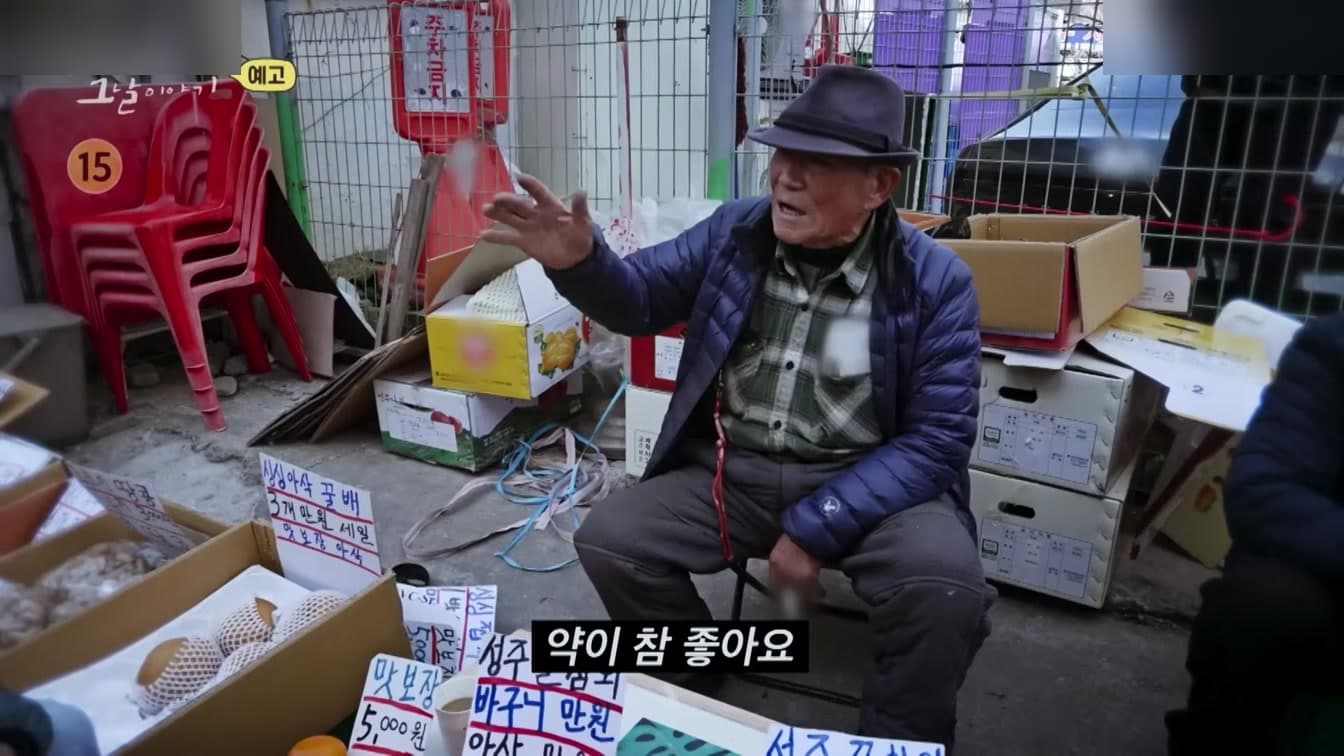
A local pharmacy name that had nearly disappeared from public memory is suddenly one of Korea’s most searched entertainment topics. The keyword is Seonyakguk, the Wangsimni-area pharmacy at the center of SBS’s Story in a Tail mystery episode, and the reason it is trending is not a celebrity scandal or a new drama casting. It is a strange mix of nostalgia, online testimony, unresolved curiosity, and a TV investigation that promises to track down the truth behind a burn ointment people still remember after more than two decades.
The June 11 episode of SBS’s long-running storytelling program Kkokkomu, officially Story in a Tail, focuses on “Searching for Seonyakguk.” Korean reports describe the pharmacy as a once-famous location in Haengdang Market, in Seoul’s Seongdong District, where an ointment for burns became the subject of unusually persistent word of mouth. The program’s hook is not simply whether the ointment worked. It is why so many people still talk about it, why the pharmacy closed roughly 25 years ago, and what happened to the pharmacist whose name has become tied to a near-urban legend.
Why One Old Pharmacy Became A Search Trend
The strongest reason the topic broke through is the scale of the response SBS says it received. Multiple Korean outlets reported that once Kkokkomu began asking for memories of Seonyakguk, more than 200 calls came in, making it the program’s highest number of tips for a single item. That figure gives the episode a stronger news hook than a normal broadcast preview. It suggests that the story already existed in scattered family memories and online communities, waiting for a mainstream program to gather it into one narrative.
Those memories appear to follow a similar pattern. People recall a small pharmacy, an ointment associated with burns, and stories claiming that even serious injuries healed with little visible scarring. For an entertainment news site, the important point is not to treat those claims as medical fact. The important point is that the claims became culture. Viewers are searching because the episode sits at the border between documentary, folklore, community memory, and television suspense. It asks whether a rumor can survive for 25 years because it contains truth, emotion, or simply the human need to believe in a miraculous helper from the past.
That is why Seonyakguk is a better Discover topic than it first appears. It has a number: more than 200 tips. It has a mystery: a pharmacy that closed suddenly and a pharmacist whose later life became a question. It has a strong setting: a market pharmacy in Wangsimni remembered by people who experienced it before today’s search-driven media culture. And it has a current trigger: the June 11 SBS broadcast at 10:20 p.m. KST, which turned a niche memory into a live national conversation.
The 25-Year Disappearance Gives The Episode Its Shape
The phrase “25 years ago” is doing a lot of work in the coverage. It turns the episode from a simple “whatever happened to this product?” segment into a missing-history story. Reports say the production team pursued clues about the pharmacist after the pharmacy disappeared from the market, with one version of the coverage noting that the search led the team thousands of kilometers overseas. That kind of investigative movement is exactly what Kkokkomu is designed to dramatize: a familiar local memory becomes a chain of questions, each answer opening another door.
The show’s format also matters. Kkokkomu is built around hosts telling a story piece by piece to guests, often using documents, interviews, and emotional reveals. In this episode, the guest lineup reported by Korean outlets includes aespa’s Winter, actor Shin Eun Jung, and singer Shin Sung. Their role is not just decorative. The program depends on listeners reacting in real time, making the audience feel as though they are discovering the case alongside someone else. A topic like Seonyakguk fits that format because it invites disbelief, recognition, and personal memory all at once.
At the same time, the episode needs careful framing. Because the story involves burns and an ointment, there is a risk of viewers treating entertainment coverage as health guidance. The responsible way to follow the trend is to keep the focus on the broadcast, the memories, and the investigation, while avoiding any endorsement of the alleged treatment. The reason the story is compelling is not that viewers should seek out an old remedy. It is that so many people did seek answers, and that a TV program found enough material to turn those answers into a full episode.
A Viral Story Built Before Social Media
One reason the Seonyakguk mystery feels fresh in 2026 is that it appears to have gone viral before virality had its current shape. The memories described in Korean articles come from a pre-platform era: local reputation, market talk, family stories, phone numbers, and later posts in online communities. When those memories are pulled into a modern broadcast cycle, they gain a second life. Search engines and social feeds do what the old market network once did, only faster and louder.
That explains why the trend keyword is so direct. People are not searching for a celebrity’s name first; they are searching for the pharmacy. The object of curiosity is the place and the mystery around it. For SBS, that is valuable because it means the episode’s premise can travel without needing viewers to already follow a guest or a cast member. Anyone who sees the words “legendary burn ointment,” “25-year mystery,” or “more than 200 tips” can understand why the story has momentum.
There is also a powerful emotional layer beneath the curiosity. Medical memories, especially those involving childhood injuries or family care, often stay with people because they are attached to fear and relief. If someone remembers a parent taking them to a market pharmacy after an accident, the story is no longer just about medicine. It becomes a memory of being protected. That may be why the Seonyakguk topic is generating such a strong response: it lets viewers revisit a collective image of neighborhood trust that feels increasingly distant.
What Viewers Are Waiting To Learn
The episode’s biggest promise is closure. Viewers want to know who the pharmacist was, why the pharmacy closed, whether the famous ointment can be explained, and how much of the legend was built from real experience. The production’s reported overseas search adds a cinematic element, but the more important question is emotional: can a TV investigation give shape to memories that have been floating around for a generation?
That is why the story belongs in the entertainment conversation even though it begins with a pharmacy. It is a case study in how Korean factual entertainment can turn ordinary places into national talking points. Kkokkomu has often worked best when it takes an event people half-remember and rebuilds it with suspense, testimony, and human stakes. Seonyakguk gives the show all of those ingredients, plus the unusual proof of public interest that came through the reported flood of tips.
Whether the broadcast answers every question or leaves some ambiguity, the search spike already shows that the episode found its audience. Seonyakguk is trending because it offers more than a strange old rumor. It offers a mystery with numbers, a vanished figure, a local setting, and a reason for viewers to ask their own families whether they remember the name. In the crowded June entertainment cycle, that combination is enough to turn a forgotten pharmacy into one of Korea’s most talked-about TV stories.
How do you feel about this article?
저작권자 © KEnterHub 무단전재 및 재배포 금지
Entertainment Journalist · KEnterHub
Entertainment journalist specializing in K-Pop, K-Drama, and Korean celebrity news. Covers artist comebacks, drama premieres, award shows, and fan culture with in-depth reporting and analysis.
Comments
Please log in to comment