K-Pop's 5th Gen Is Sending Indie Fashion Brands Viral
When NCT WISH wears an unknown brand, sales can triple overnight — the numbers reveal how a new generation of idols is reshaping Korea's fashion economy
 By Jang Hojin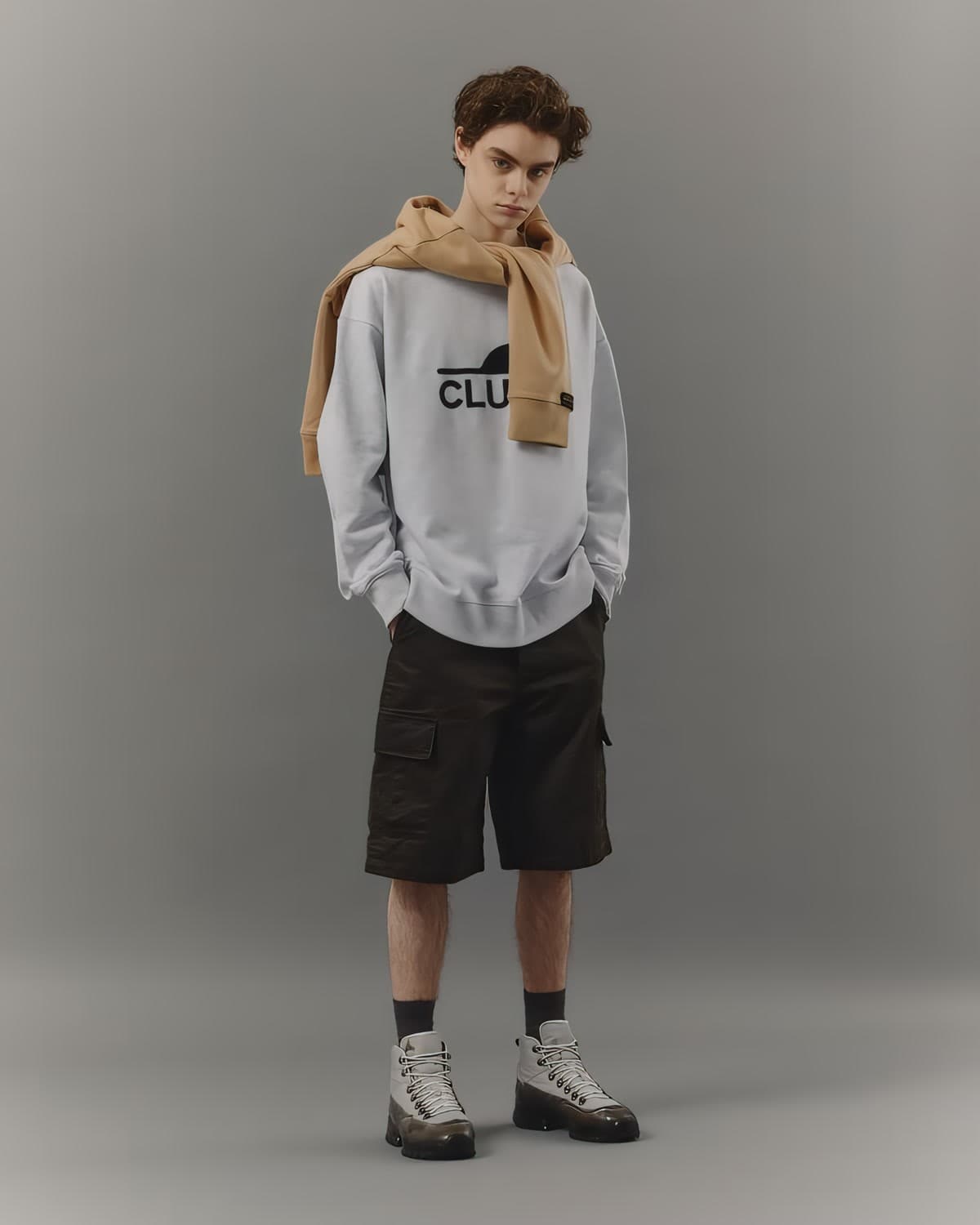
One shirt. One idol. A 300% sales spike in one week.
That is what happened in late March 2026, when NCT WISH member Riku was spotted wearing a "Check Button Shirt Blue" by the Korean indie brand Letterri. Within days, the item had become a search term. Within a week, according to Musinsa — Korea largest fashion e-commerce platform — the brand transaction volume had grown by more than three times compared to the previous week. The brand itself was largely unknown before the moment. It became a conversation topic overnight.
This is not an isolated event. It is increasingly the operating rhythm of Korea indie fashion market, and the 5th generation of K-pop idols is driving it with a precision and scale that older generations never quite achieved. The mechanism has a name in Korean fan culture: the idol effect. The numbers attached to it, in 2026, are beginning to resemble those of a formal marketing channel.
Beyond Music: Idols as Fashion Force Multipliers
The relationship between K-pop idols and Korean fashion has long been established. For decades, artists from H.O.T. and S.E.S. to BTS and BLACKPINK shaped what fans wore. What has changed in the 5th generation — a cohort that includes groups like NCT WISH, HEARTS2HEARTS, BABYMONSTER, and their contemporaries — is the directness and measurability of the impact.
Older idol fashion influence worked primarily through licensed merchandise, brand partnerships, and the gradual diffusion of stage costumes into streetwear aesthetics. 5th generation idols operate in a media environment where their off-stage fashion choices are instantly documented, shared, and decoded by fan communities with the thoroughness of fashion journalists. A member steps out wearing a brand most of their audience has never heard of — within hours, the brand is trending. Within days, the stock level is a topic of community discussion.
Platform dynamics have amplified this considerably. Musinsa algorithm rewards sudden purchase spikes with increased visibility, creating a feedback loop where idol-driven attention translates into organic discovery. Naver Cream — a platform focused on limited-release and emerging brand items — has seen similar patterns, where idol-endorsed products gain save volumes that rival established streetwear releases. The infrastructure was always there. The 5th generation has learned to use it.
The Numbers Behind the Idol Effect
Letterri 300% weekly sales increase following Riku March 21 appearance is the most dramatic documented example — but it is not the only one.
The same member wore a NOT4NERD "Dying Amber Slit Pullover Hoodie Gray" on April 28. The following week on Musinsa, the brand transaction volume rose by more than 50%. That is a smaller spike than Letterri, but 50% weekly growth would be considered exceptional performance for virtually any independently-released fashion piece. When the cause is a single idol sighting rather than a sustained marketing campaign, the efficiency is extraordinary.
On Naver Cream, the impact on the brand PACOSPLY tells a different story — one about visibility and discovery rather than immediate purchase velocity. After being worn by NCT WISH Yuushi and Hearts2Hearts member Jiwoo, certain PACOSPLY items reportedly sold out entirely. More telling is the save count: some products accumulated more than 17,000 saves on the platform, a figure that places them among the top-performing items in platform discovery rankings. The saves represent future purchase intent, extended brand awareness, and an audience watching the brand next release closely.
The pattern holds across different platforms and different idols, suggesting the mechanism is structural. What drives it, according to Musinsa own analysis, is the way idol fashion choices spread through SNS and fan community channels — rapidly and with a level of detailed engagement that general fashion content rarely achieves. Fans do not just share the idol photo. They identify the brand, find the specific item, link to purchase pages, and discuss the styling in dedicated communities. The brand gets what amounts to a mass editorial push, except it arrives in days rather than months.
How the Industry Is Responding
Korean indie fashion brands have taken notice. The calculation has shifted from "how do we get a major celebrity endorsement" to "how do we get an idol to organically wear our clothes." The distinction matters: an endorsed product carries different cultural weight from a product chosen by an idol for personal wear. Fans can tell the difference, and the response to organic adoption — as the Letterri numbers suggest — is substantially larger.
This creates a new form of brand strategy specific to the 5th generation K-pop era. Brands that want Musinsa algorithm on their side need the kind of sudden, intense traffic that only comes from idol-driven discovery. The result is a fashion ecosystem that increasingly orbits the preference patterns of a small number of very closely watched young men and women — and where a single off-duty outfit choice can transform an unknown brand position in the space of a week.
The competitive stakes among the 5th generation itself have grown accordingly. NCT WISH and rival group CORTEZ are reportedly locked in a contest for what Korean industry observers call "5th generation dominance" — a competition that extends well beyond music charts. Fashion influence is now part of how fans track and compare their groups cultural footprint, making each individual member wardrobe choice into a form of soft power exercise.
What the Idol Effect Means for Korean Fashion
The idol effect in Korean indie fashion is not new. What is new is its scale, its measurability, and the speed at which it operates in 2026. Musinsa and Naver Cream are built for real-time response — and the 5th generation of K-pop idols, more than any before them, has grown up in the media environment these platforms created.
For Korean indie fashion brands, the opportunity is significant and the challenge is real. A single moment of idol visibility can compress years of brand-building into a week. But the same audiences that discover a brand through an idol can move on just as quickly. Building on that initial spike into durable recognition is the task that separates brands that capitalize on the moment from those that simply experience it. The 300% week is the beginning, not the destination.
How do you feel about this article?
저작권자 © KEnterHub 무단전재 및 재배포 금지
Entertainment Journalist · KEnterHub
Entertainment journalist specializing in K-Pop, K-Drama, and Korean celebrity news. Covers artist comebacks, drama premieres, award shows, and fan culture with in-depth reporting and analysis.
Comments
Please log in to comment